How Often Should Pavers Be Resealed?
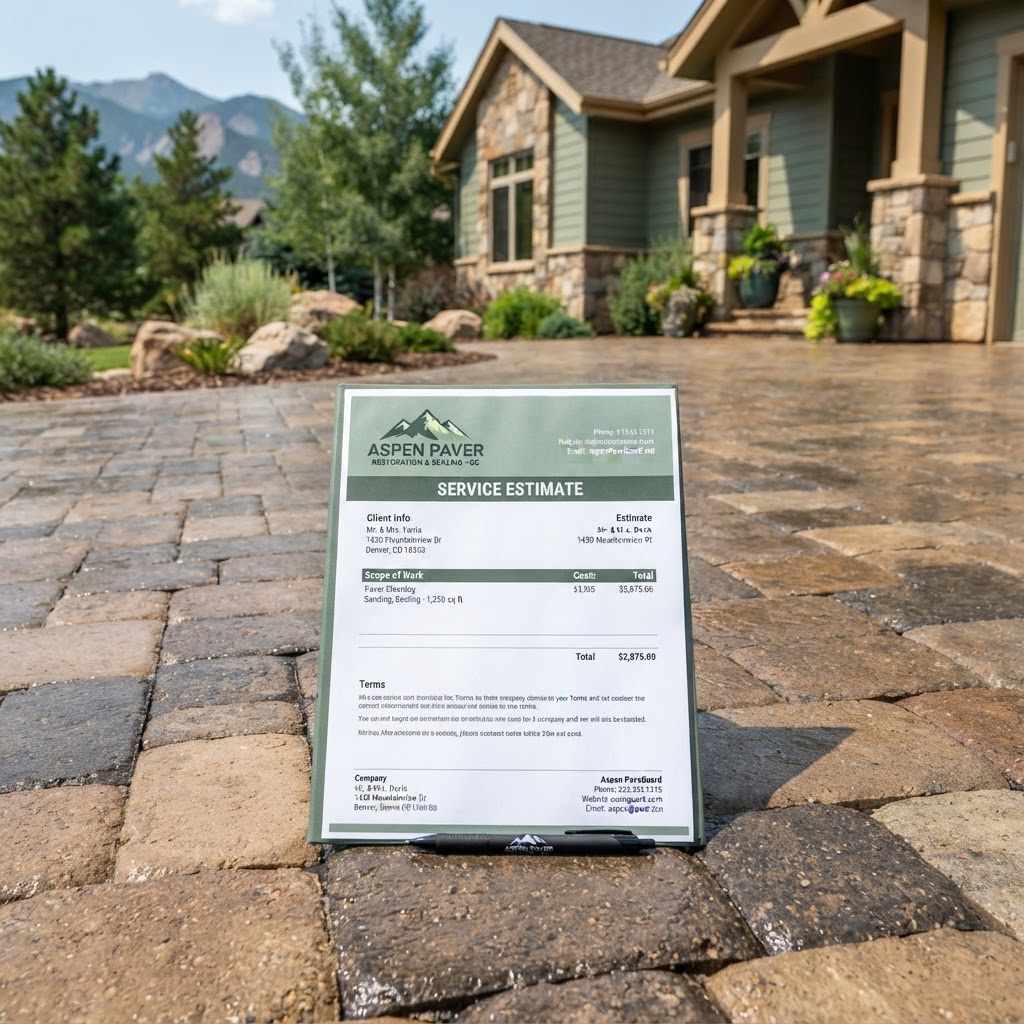
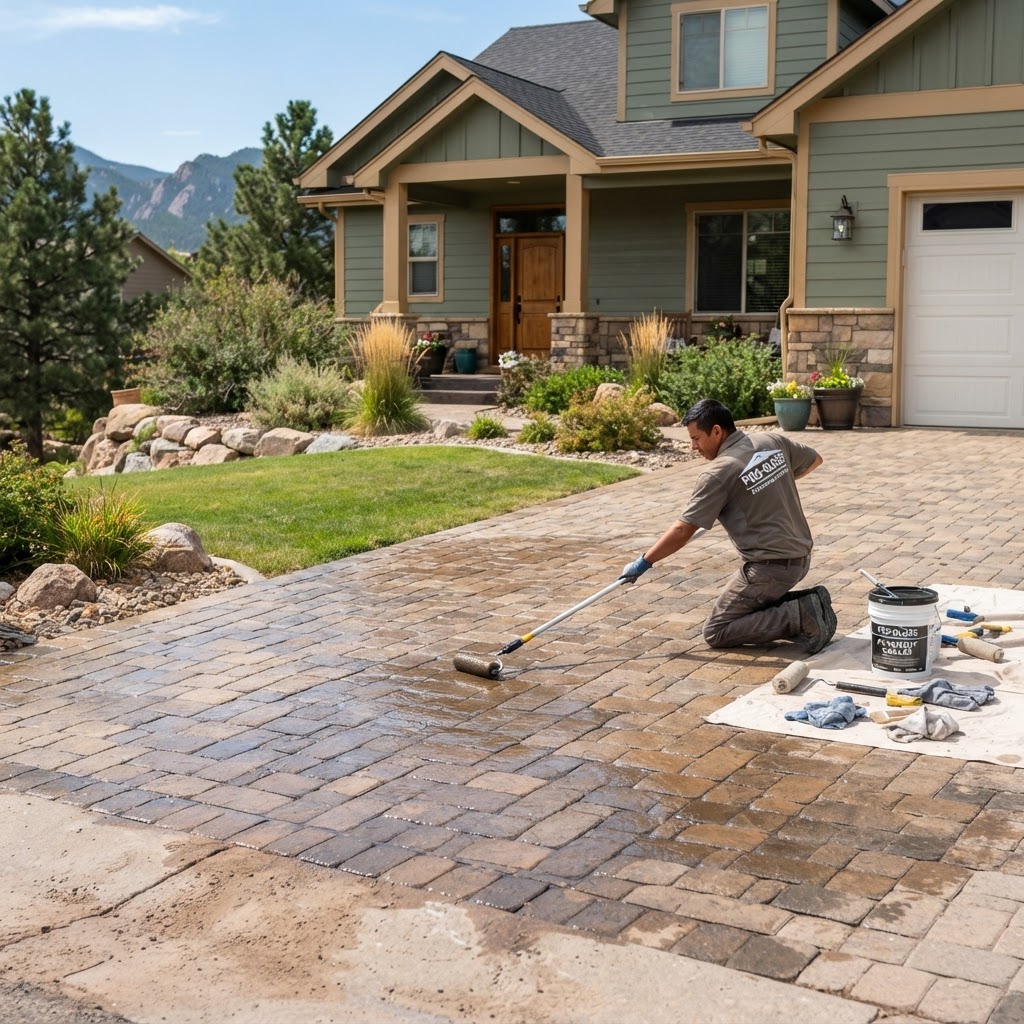
For most residential and commercial properties in Denver, the general guideline for paver resealing is every 3 to 5 years. However, because our local climate presents unique challenges, the exact timing depends on the specific conditions your patio, driveway, or walkway faces throughout the year.
Factors That Impact Sealer Longevity
While the 3-to-5-year rule is a standard starting point, several environmental and usage factors can shorten this interval significantly:
- Vehicle and Foot Traffic: Driveways experience significantly more mechanical wear than garden paths. High-traffic areas wear down the protective coating much faster.
- Colorado UV Exposure: At 5,280 feet, Denver experiences intense solar radiation. This high-altitude UV exposure is the primary culprit behind the rapid breakdown of chemical polymers in many sealers.
- Freeze-Thaw Cycles: Our dramatic temperature swings cause ground movement. As pavers expand and contract, the joint sand can shift, putting stress on the sealer.
- Water Exposure: Constant moisture from pool splashes or malfunctioning sprinkler systems can weaken the bond of the sealer over time.
Signs Your Pavers Need Resealing
You do not always need to rely on a calendar to know when it is time to call Drift Exteriors. Keep an eye out for these tell-tale signs:
- Loss of Hydrophobicity: If water no longer beads on the surface and instead soaks into the paver, your protective barrier has failed.
- Fading Color: Dull or chalky-looking pavers indicate that the sun has begun to break down the surface pigment protection.
- Weed Infiltration: If you notice new weeds or moss growing in the joints, it means the joint sand stabilizer has washed away.
- Sand Erosion: Visible gaps between pavers are a clear signal that the joint sand has eroded, which can lead to structural shifting.
Sealer Types and Expectations
Not all sealers are created equal. Penetrating sealers, which soak into the pores, often last toward the longer end of the 5-year spectrum because they are less prone to surface wear. Film-forming sealers, which create a glossy or wet-look finish on top, offer excellent protection against stains but may require more frequent maintenance in high-traffic areas to prevent peeling or yellowing. At Drift Exteriors, we analyze the condition of your specific stone or concrete pavers to ensure the product we apply provides the best balance of aesthetic appeal and Colorado-proof durability.
If you have noticed any of these warning signs, or if it has simply been more than three years since your last service, contact the team at Drift Exteriors today to restore the beauty and longevity of your outdoor surfaces.
Learn more about our paver restoration and sealing.