What's the Best Time of Year to Restore a Fence?
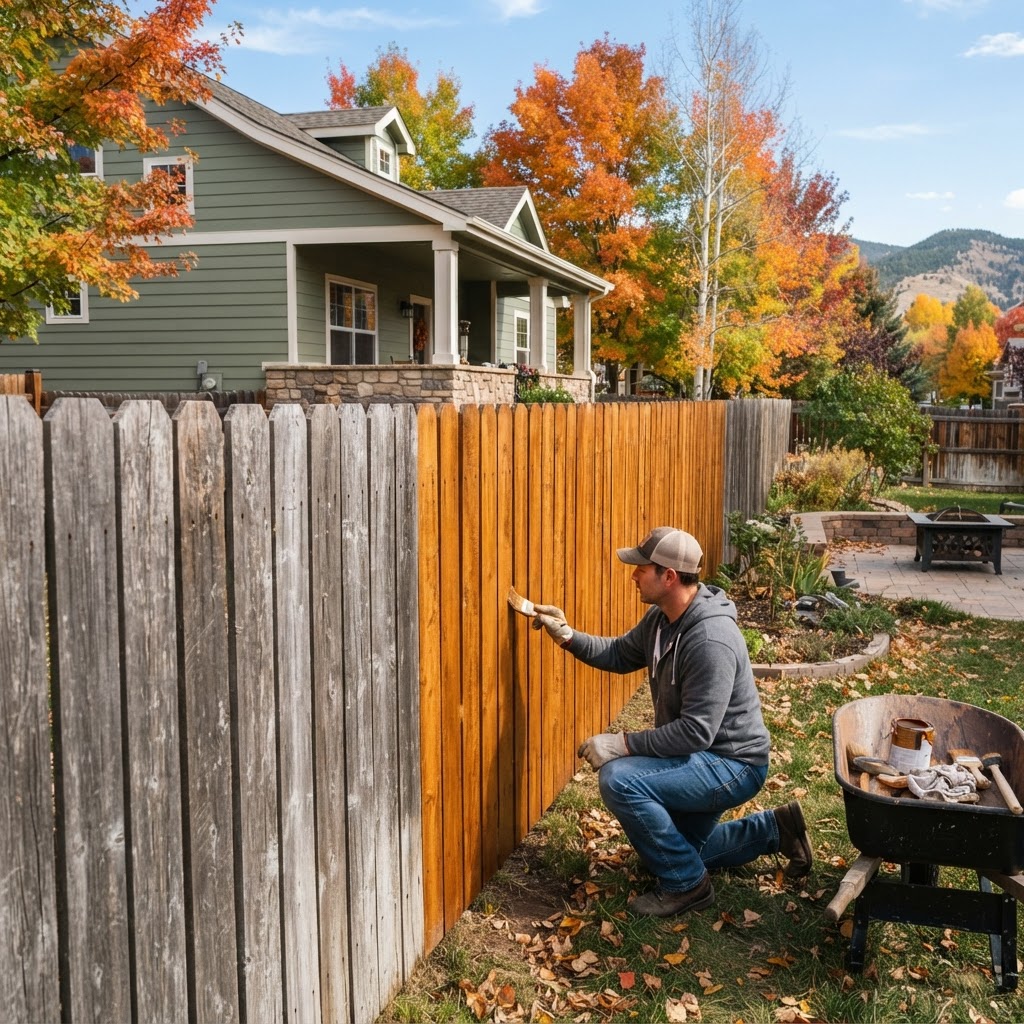
If you own a home in Denver, you know that our unique climate takes a serious toll on outdoor wood structures. When it comes to restoring your fence, timing is everything. The absolute best time to restore a fence in Colorado is between late spring and early fall, specifically from June through September.
Why Late Spring to Early Fall Wins
Restoring a fence is more than just applying a coat of stain; it is about preservation. During the months of June, July, August, and September, the Denver area experiences stable, warm temperatures that are vital for high-quality results. Wood requires a certain level of porosity to absorb stain correctly. When temperatures are consistently between 50°F and 90°F, the wood fibers expand just enough to allow the product to penetrate deeply into the grain, ensuring long-lasting protection rather than just a surface-level film.
The Importance of Humidity and Weather Patterns
Colorado is known for its arid climate, which is actually a significant advantage for fence staining. Low humidity helps the cleaning agents and wood brighteners evaporate properly and allows the stain to cure without trapping moisture. However, locals know that July and August often bring daily afternoon thunderstorms. Drift Exteriors recommends scheduling your restoration during periods of consistent, dry weather to avoid rain washing away your fresh stain before it has had the chance to set.
Months to Avoid
We strongly advise against attempting a fence restoration during the winter months. Freezing temperatures prevent stain from curing and can cause the liquid to gel or separate, leading to a blotchy and ineffective finish. Early spring is another challenging time; even if the air feels warm, the ground is often saturated from melting snow. If the wood contains too much moisture from the ground or lingering dampness, the stain will fail to bond, potentially leading to peeling and wood rot later in the season.
Colorado Homeowner Tip: Because of our intense mountain sun, UV degradation is the number one enemy of Denver fences. Always choose a high-quality, oil-based stain with UV inhibitors. If your fence faces south or west, expect to maintain your stain every 2-3 years to prevent graying and brittle boards.
The Benefit of Winter Protection
Completing your fence restoration before the first hard frost of the year is a critical maintenance step. Colorado winters involve severe freeze-thaw cycles. When moisture enters unsealed wood, it freezes and expands, causing the wood to crack and split. By applying a fresh coat of stain in the late summer or early fall, you create a hydrophobic barrier that seals the wood pores, ensuring your fence remains resilient against the harsh dry cold and snow accumulation that defines our winters.
By timing your project with Drift Exteriors during the optimal summer window, you ensure that your fence is fully cured and ready to withstand the elements, ultimately extending the lifespan of your investment for years to come.
Learn more about our fence restoration services.