Will Sealer Make My Pavers Slippery?
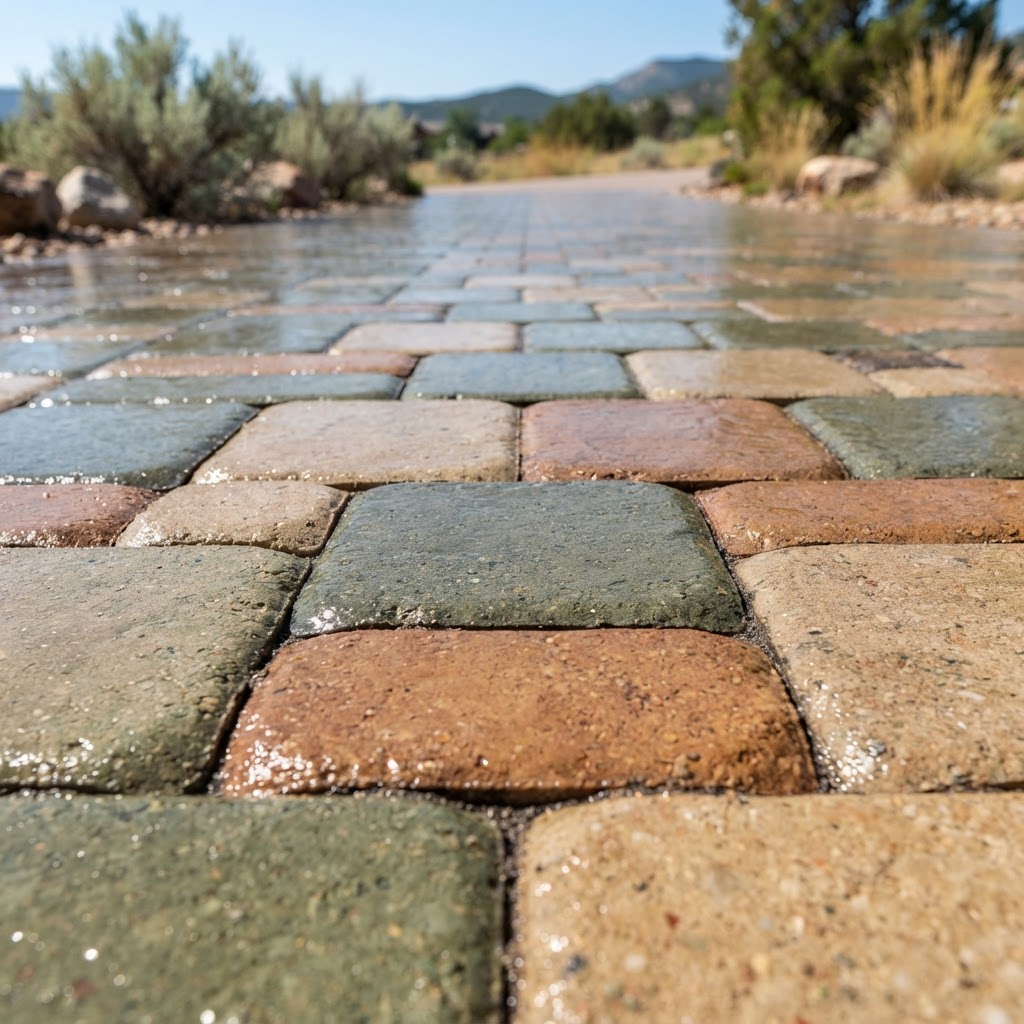
A common concern for Lakewood homeowners considering paver sealing is whether the process will create a hazardous, slick surface. The short answer is no: when applied correctly by professionals, paver sealer should not make your pavers dangerously slippery. In fact, modern sealing products are engineered with safety in mind, ensuring your outdoor living spaces remain both beautiful and functional.
The Truth About Anti-Slip Additives
Many homeowners worry that applying a protective coat will turn their patio into a skating rink. However, professional-grade sealers are designed to maintain traction. Drift Exteriors utilizes premium sealers that feature integrated anti-slip additives. These microscopic particles provide necessary friction, ensuring the surface remains walkable even when wet. The misconception that all sealers result in a glass-like finish stems from the use of improper, low-quality products or DIY application mistakes.
Understanding Finish Types and Traction
The texture of your sealer significantly impacts how the surface feels underfoot:
- Natural or Matte Finishes: These sealers penetrate deep into the paver pores without leaving a thick film on top. Because they do not change the texture of the stone, there is virtually no reduction in traction.
- Gloss or Wet-Look Finishes: While these provide a vibrant, enhanced appearance, they do create a protective film. While this may result in a slight reduction in grip compared to a raw stone surface, it remains well within safety standards for residential foot traffic when the correct application techniques are used.
Factors That Increase Slipperiness
Slipperiness is almost always a result of application error rather than the product itself. Common mistakes include:
- Over-application: Applying too much product creates a thick, gummy film that is inherently slick.
- Sealing Damp Pavers: Moisture trapped beneath the sealer prevents proper bonding, leading to a hazy, slippery surface.
- Pool Deck Applications: Areas constantly exposed to standing water require specific, high-grit additives to counteract the frequent saturation.
Colorado Tip: Given Denver's intense freeze-thaw cycles, paver joints often shift. Ensure your pavers are professionally cleaned and re-sanded before sealing. Proper joint stabilization prevents water from pooling in cracks, which keeps your patio safer during the spring thaw.
Colorado-Specific Considerations
Living in Colorado presents unique challenges. Our high altitude and intense UV exposure can degrade subpar sealers rapidly. Furthermore, during winter months, ice accumulation is a reality. While sealed pavers are not inherently more slippery than unsealed ones when covered in ice, they are significantly easier to clear of snow. Because the sealer prevents moisture from penetrating the porous concrete, ice bonds less aggressively to the surface, making shoveling and de-icing much more efficient for Denver residents.
Professional Application is Key
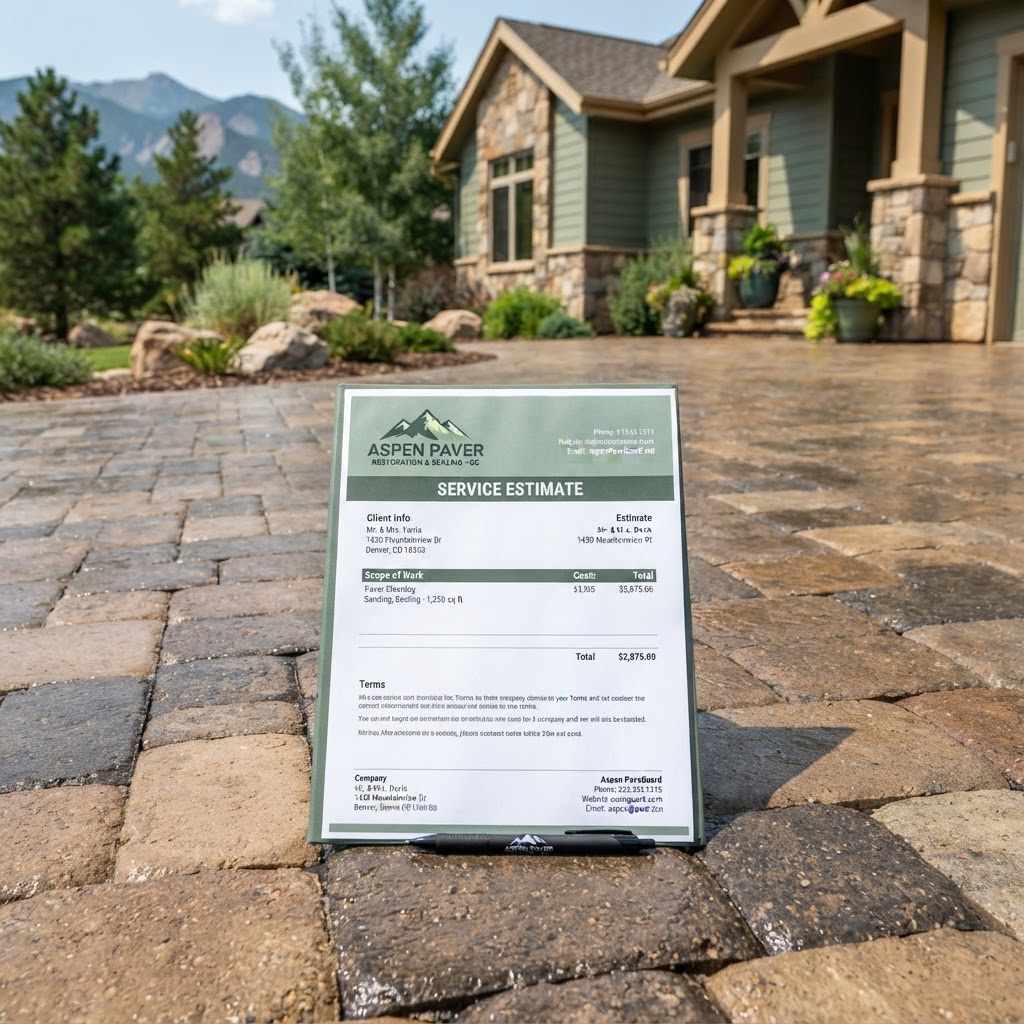
At Drift Exteriors, we take the guesswork out of the process. Our technicians are trained to assess the porosity of your specific paver type and choose the appropriate finish. We ensure the surface is bone-dry and clean before application, and we monitor the weather forecast to avoid the unpredictable moisture shifts common in Commerce City. By trusting a professional, you get the aesthetic upgrade you want without compromising the safety of your family and guests.
Learn more about our paver restoration and sealing.