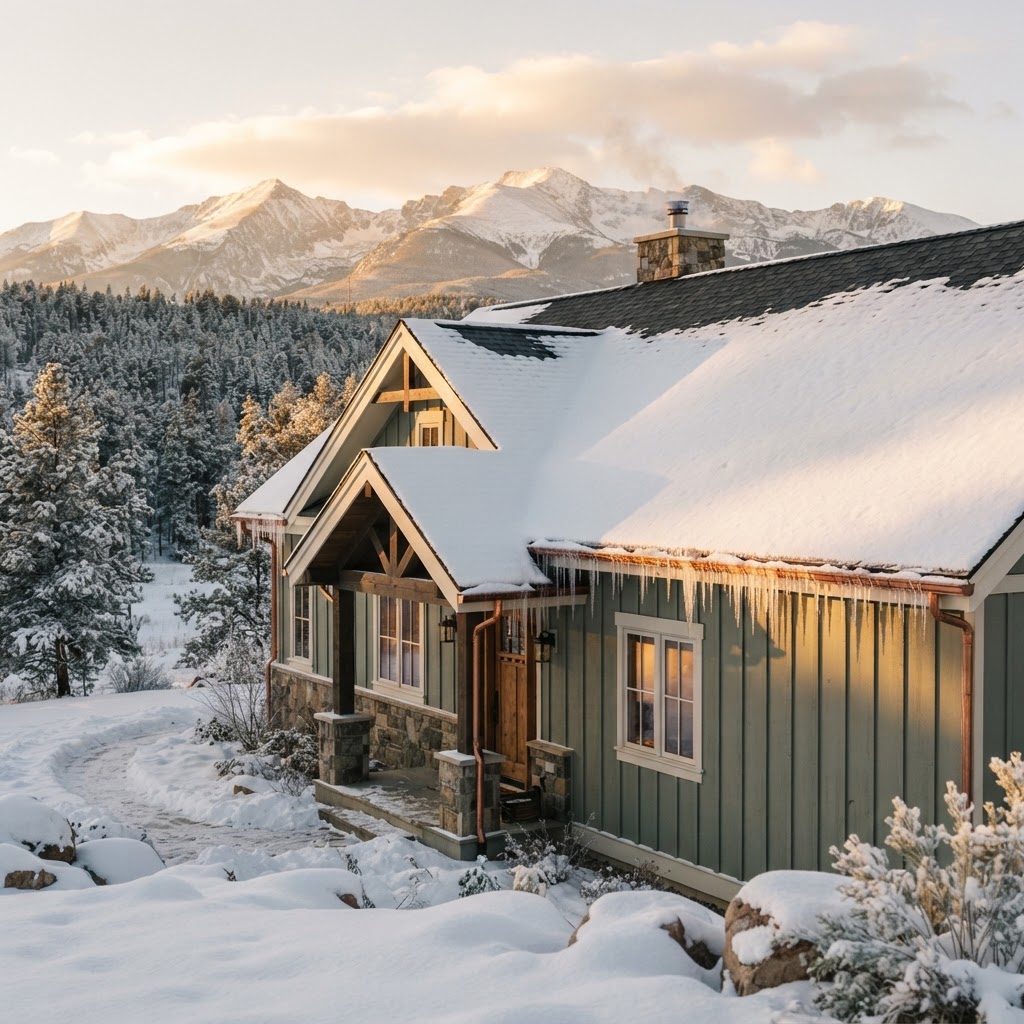
Why Colorado Homes Are Vulnerable to Ice Dams
Colorado's climate — especially in Boulder County communities like Castle Rock and Lafayette where snow loads are heavier — creates perfect conditions for ice dam formation. Our high elevation means intense sun melts snow on roofs even when air temperatures are below freezing. Then, rapid overnight temperature drops refreeze that meltwater — often in gutters and at roof edges where the surface is coldest.
The result: ridges of ice form at the roof edge, trapping melting snow behind them. Water backs up under shingles, leaks into the attic, saturates insulation, and stains ceilings. Left unaddressed, ice dams cause thousands of dollars in water damage and can pull gutters off the home entirely.
Quick Summary
Ice dams form when roof heat melts snow that refreezes at the cold gutter edge. Prevent them by improving attic insulation and ventilation, sealing air leaks, cleaning gutters in fall, and installing heat cables on problem sections. Never chip ice dams with tools — use a roof rake, calcium chloride, or professional steam removal.
What Causes Ice Dams?
Ice dams form through a simple but destructive cycle:
- Heat escapes the living space into the attic through inadequate insulation and air leaks
- The attic warms the roof above freezing, melting the bottom layer of snow
- Meltwater runs down the roof toward the colder gutter edge
- The gutter edge is cold (it extends past the heated wall and is exposed to air on all sides)
- Water refreezes at the edge, forming a ridge of ice
- The growing ice dam traps more water, which backs up under shingles and into the home
The root cause is almost always a warm roof — meaning heat is escaping from the living space into the attic. A properly insulated and ventilated roof stays cold and prevents the melt-freeze cycle from starting.
Colorado-Specific Ice Dam Risk Factors
| Risk Factor | Why It Matters in Colorado |
|---|---|
| Rapid temperature swings | Warm days melt snow; cold nights refreeze it — accelerating dam growth |
| High elevation sun | Intense UV melts snow on roofs even when air temps are below freezing |
| Expansive clay soils | Overflowing ice dams cause foundation heave and cracking |
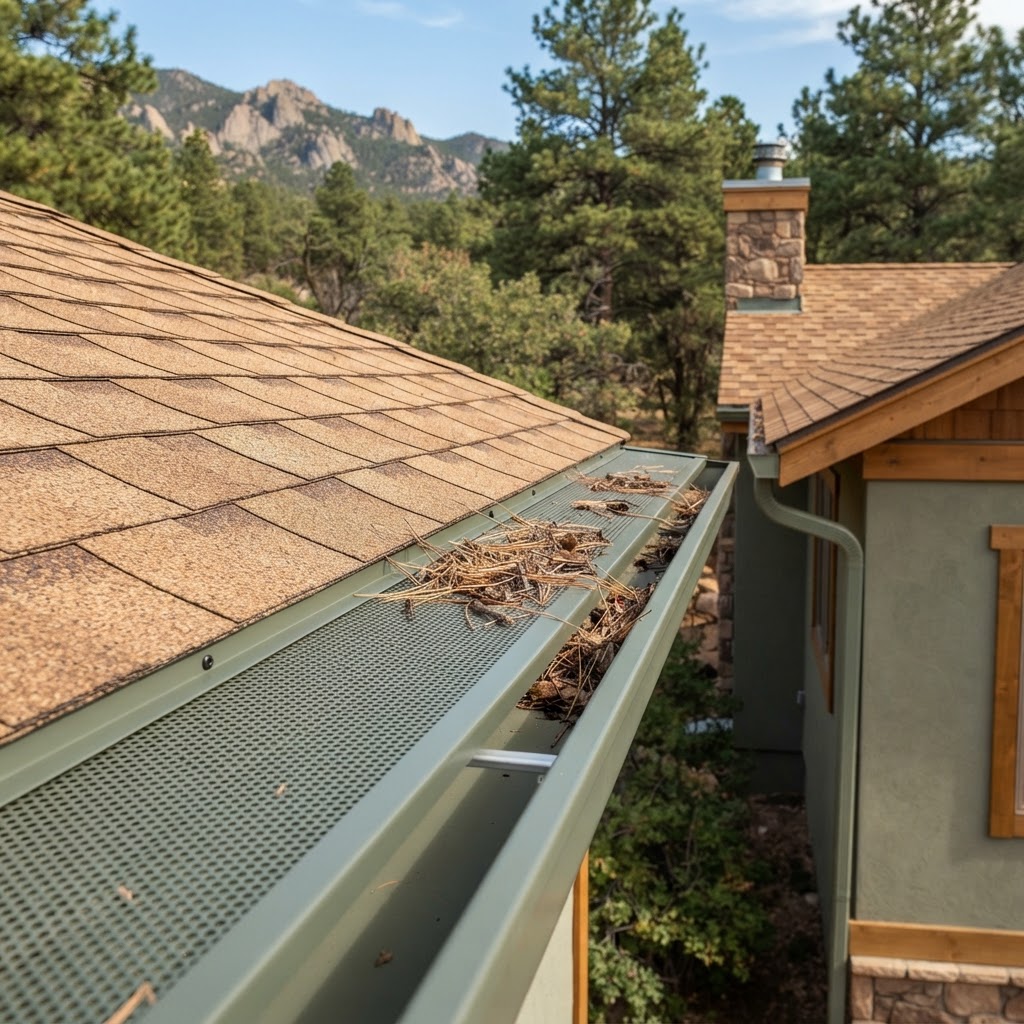
| Pine needle debris | Needles slip past gutter guards and clog downspouts, trapping water |
| Older housing stock | Many homes in Littleton, Arvada, and Broomfield have under-insulated attics |
Warning Signs of Ice Dam Formation
Catch ice dams early to minimize damage. Watch for these signs during and after snow events:
- Large icicles hanging from gutters — especially thick, heavy ones
- Ice buildup at the roof edge visible from the ground
- Water stains on interior ceilings near exterior walls
- Leaks or drips from the ceiling or around windows during thaws
- Gutters pulling away from the fascia under ice weight
- Ice visible behind siding or at the roofline
- Snow melting in stripes on the roof (indicates uneven attic insulation)
Warning
If you see water stains on your ceiling or walls during winter, an ice dam has already forced water into your home. Act immediately to remove the dam and contact a professional to assess insulation and ventilation. Water damage worsens rapidly.
How to Prevent Ice Dams: The Complete Strategy
1. Improve Attic Insulation
The single most effective ice dam prevention step is bringing attic insulation up to Colorado's recommended R-49 to R-60 rating. Most homes in Cherry Hills Village and Arvada built before 2000 have insufficient insulation. Proper insulation keeps heat in the living space and the roof deck cold — eliminating the melt-freeze cycle.
2. Ensure Proper Attic Ventilation
Ventilation works with insulation to keep the roof cold. Soffit vents allow cold air in at the bottom, and ridge or gable vents let warm air escape at the top. This airflow keeps the roof deck at outdoor temperature, preventing snowmelt. Blocked soffit vents (from insulation or debris) are a common cause of ice dams.
3. Seal Air Leaks from Living Spaces
Even with good insulation, warm air escapes through gaps around recessed lights, plumbing vents, chimney chases, and attic hatches. Sealing these leaks with caulk and spray foam stops warm air from reaching the roof deck. This is often the most cost-effective fix.
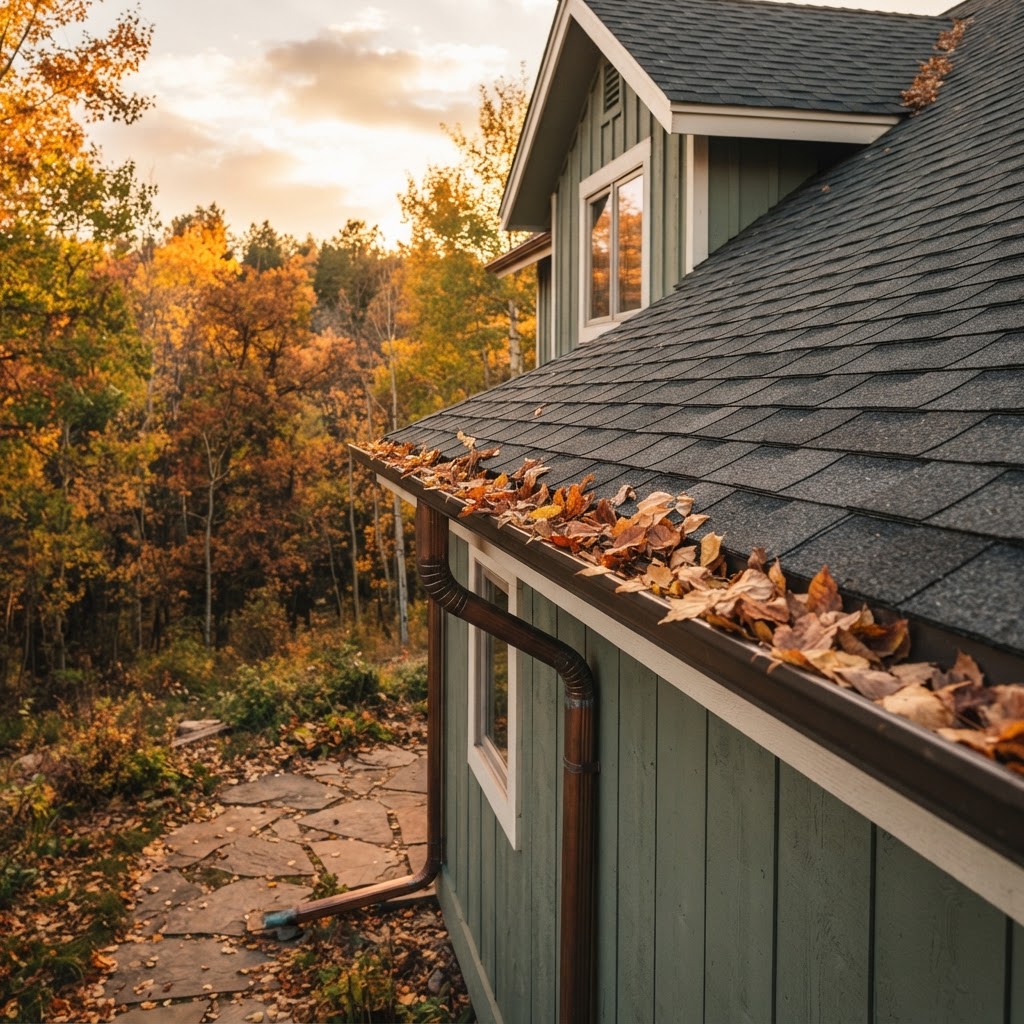
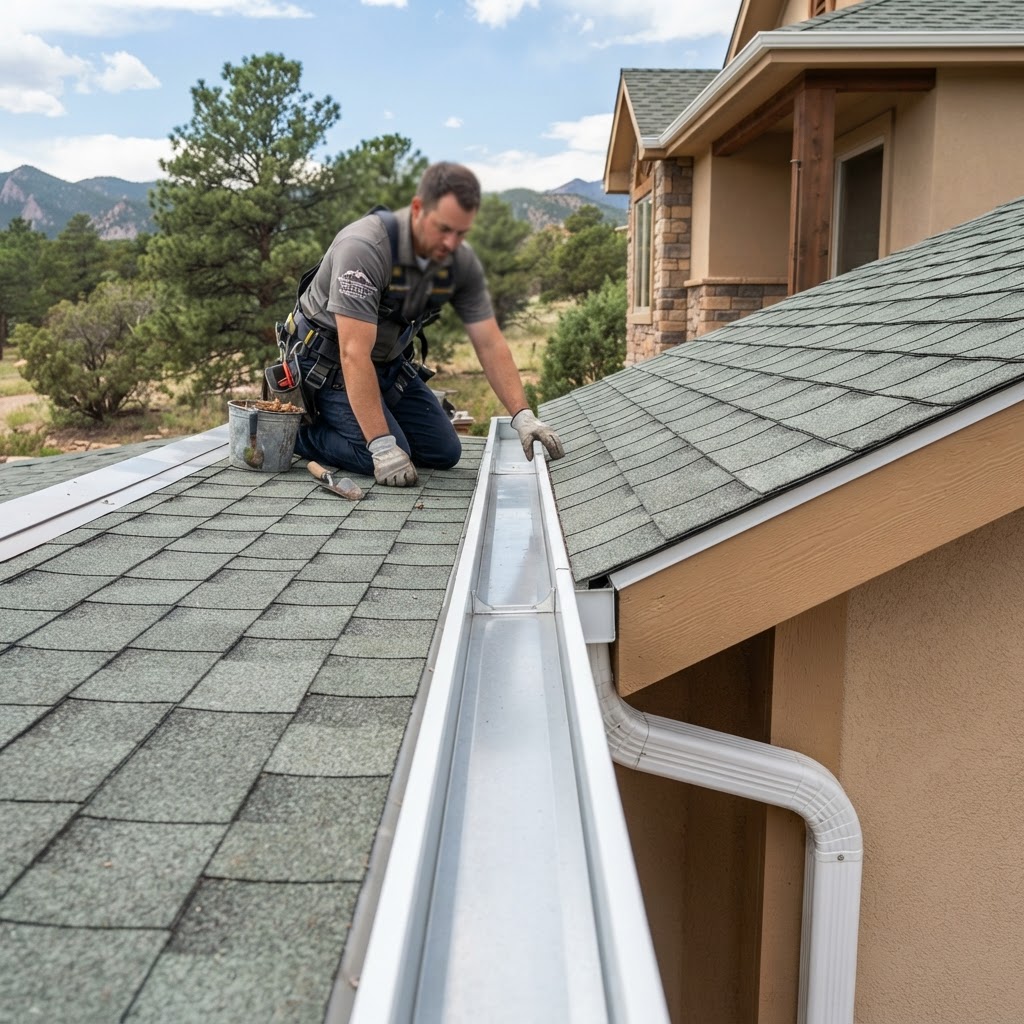
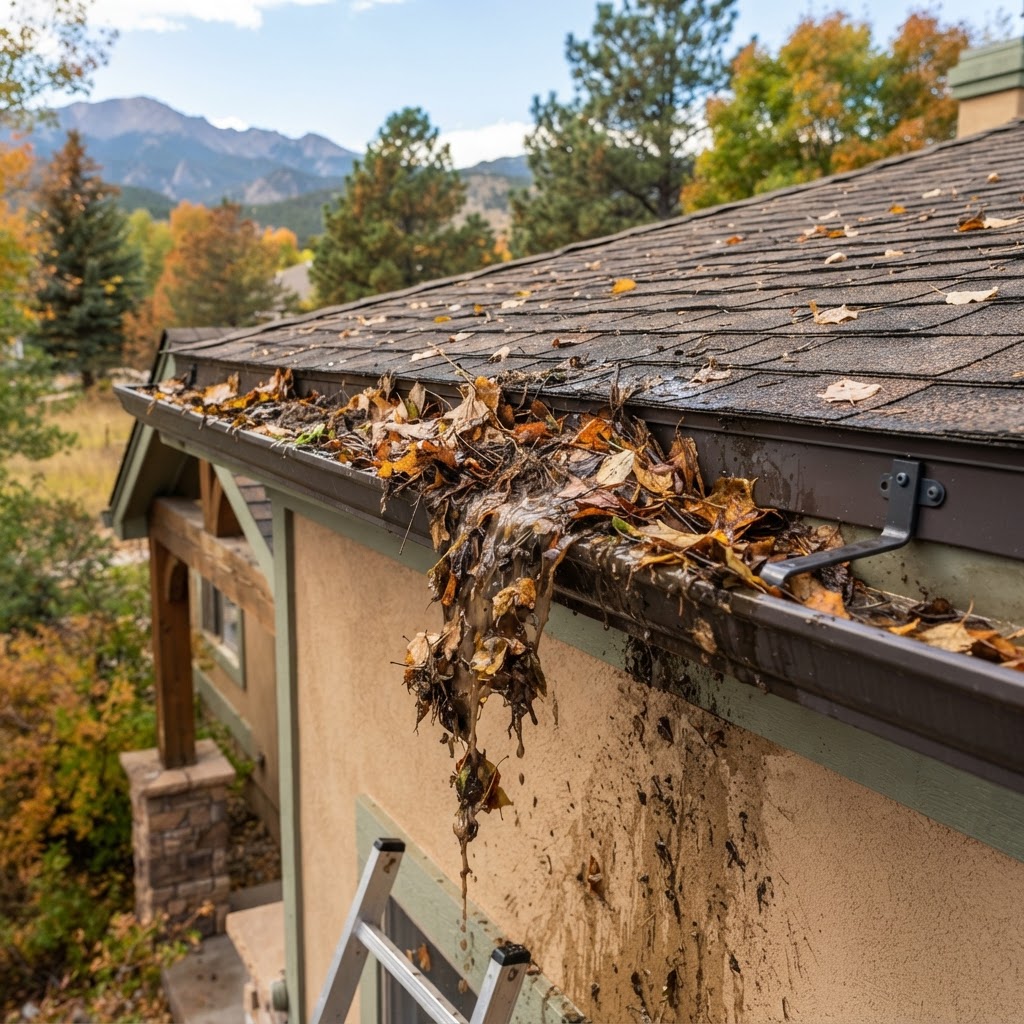
4. Clean Gutters Before Freezing
Clean gutters allow meltwater to drain freely. Clogged gutters trap water that refreezes into a solid block, creating the initial ice ridge that starts the dam. Fall gutter cleaning is one of the simplest and most effective prevention steps.
Homeowner Tip
Schedule gutter cleaning for late October through mid-November — after leaves fall but before sustained freezing. This is your single best defense against early-season ice dams.
5. Install Heat Cables on Problem Sections
For roof sections that repeatedly ice up despite insulation and ventilation improvements, heat cables (also called heat tape) provide targeted prevention. They melt channels through ice and snow, allowing water to drain. Install them in a zigzag pattern along the roof edge and inside gutters and downspouts.
6. Use a Roof Rake After Snowfall
After significant snowfall, use a roof rake from the ground to pull snow off the first 3–4 feet of the roof edge. This removes the raw material for ice dam formation. Never climb on the roof in winter.
How to Safely Remove an Ice Dam
If an ice dam has already formed, removal must be done carefully to avoid damaging your roof:
- Roof rake: Pull snow off the roof edge from the ground to reduce the dam's water source
- Calcium chloride stockings: Fill a nylon stocking with calcium chloride ice melt and lay it vertically across the dam. It melts a channel through the ice, allowing water to drain.
- Professional steam removal: A professional uses low-pressure steam to melt the dam without damaging shingles. This is the safest method for large dams.
Warning
Never chip, hack, or hammer at ice dams. Sharp tools will cut shingles, dent gutters, and create entry points for water. Never use rock salt — it corrodes metal gutters and kills landscaping below.
Ice Dam Prevention Cost vs. Repair Cost
| Approach | Typical Cost | Effectiveness |
|---|---|---|
| Fall gutter cleaning | $150–$500 | High (prevents water trapping) |
| Air leak sealing | $500–$1,500 | Very high (stops heat escape) |
| Attic insulation upgrade | $1,500–$3,000 | Highest (permanent fix) |
| Heat cable installation | $500–$1,500 | Moderate (targeted sections) |
| Professional steam removal (emergency) | $500–$1,500 | Immediate (not preventive) |
| Water damage repair (if untreated) | $5,000–$15,000+ | N/A |
Frequently Asked Questions
Below are the most common questions Lafayette homeowners ask about ice dam prevention.
See the FAQ section below for detailed answers on causes, prevention, warning signs, and safe removal.
Protect Your Home This Winter
Drift Exteriors provides fall gutter cleaning, ice dam prevention assessment, and emergency ice dam removal across Lafayette and Centennial. Request a free quote or learn more about our gutter services to protect your home this winter.