DIY Pressure Washing vs Professional Pressure Washing
Renting a pressure washer seems like a simple way to save money. But one mistake can cost thousands in repairs.
Renting a pressure washer from Home Depot seems like an easy weekend project. And for simple jobs like cleaning a small concrete patio, it can be. But DIY pressure washing carries real risks: using too much pressure, holding the nozzle too close, or using the wrong tip can etch concrete, damage siding, or cause personal injury. Understanding when DIY makes sense—and when it doesn't—saves money and prevents costly mistakes.
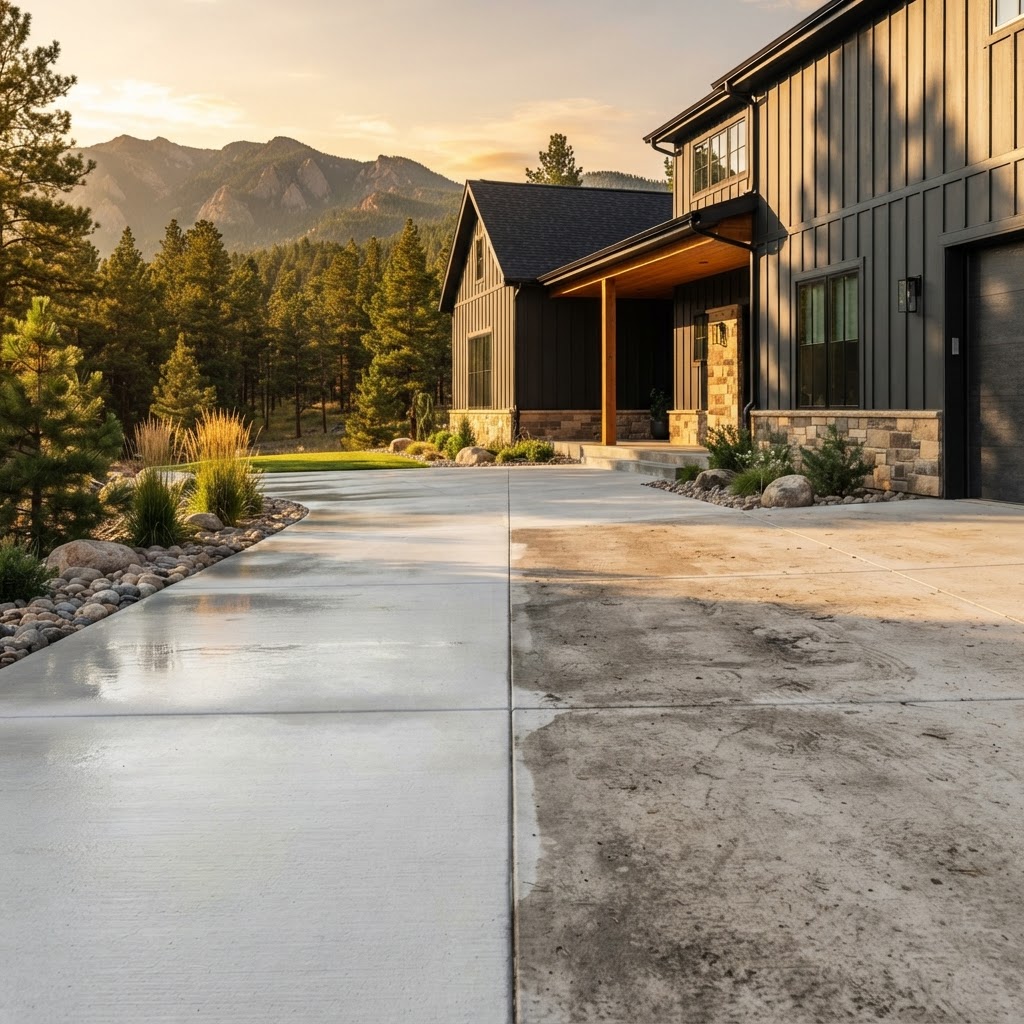
DIY Pressure Washing vs Professional Pressure Washing at a Glance
| Feature | DIY Pressure Washing | Professional Pressure Washing |
|---|---|---|
| Best For | Small, flat surfaces like patios | Driveways, multi-surface jobs, anything above ground level |
| Average Cost | $200-$400 (rental + supplies) | $300-$700 (professional service) |
| Time Required | 4-8 hours (including learning curve) | 1-3 hours (experienced crew) |
| Longevity | Same if done correctly | Same if done correctly |
| Risk Level | High—surface damage and personal injury | Low—trained and insured |
| Maintenance | Annual cleaning recommended | Annual cleaning recommended |
| DIY Friendly | Yes, for simple jobs | No—professional service |
| Our Recommendation | For small, flat surfaces like a patio or walkway, DIY can make sense if you're careful. For driveways, multi-surface jobs, or any surface above ground level, hire a professional. The risk of damage and injury far outweighs the savings. | |
What Each Option Is
DIY Pressure Washing
DIY pressure washing involves renting or buying a pressure washer and cleaning your own exterior surfaces. It's a popular weekend project that can save money on simple jobs like driveways or patios. However, without proper training and experience, it carries significant risk of surface damage and personal injury.
Professional Pressure Washing
Professional pressure washing involves hiring a trained contractor who understands proper pressure settings, nozzle selection, and surface-specific techniques. Professionals carry insurance, use commercial-grade equipment, and can identify potential issues before they become problems.
Advantages & Disadvantages
DIY Pressure Washing
Pros
- Lower cost for small, simple jobs
- No scheduling required—do it on your own time
- Can be satisfying for homeowners who enjoy hands-on work
- No risk of hiring an unreliable contractor
Cons
- High risk of surface damage without proper training
- Equipment rental costs add up for multiple jobs
- Personal injury risk from high-pressure water
- No guarantee of results
- Potential to void warranties on siding or roofing
- Can cause thousands in damage with a single mistake
Professional Pressure Washing
Pros
- Correct pressure and technique for each surface
- Commercial-grade equipment delivers better results
- Insured against property damage
- Identifies maintenance issues before they worsen
- Saves time—a pro finishes in hours what takes a DIYer all weekend
- Guaranteed results—reputable companies stand behind their work
Cons
- Higher upfront cost than DIY
- Requires scheduling and coordination
- Quality varies between companies—research is essential
- Some companies use outdated or damaging methods
How Much Does Each Option Cost?
DIY Pressure Washing
$200-$400 (equipment rental + supplies)
Professional Pressure Washing
$300-$700 (professional service)
DIY pressure washing costs $200-400 for equipment rental and supplies. Professional service costs $300-700 but includes proper surface assessment, correct pressure settings, professional-grade equipment, and guaranteed results. The hidden cost of DIY is potential damage—a single mistake can cost thousands to repair. For small jobs like a patio or sidewalk, DIY can make sense. For full driveways or multi-surface jobs, professional service is typically the better value.
Pricing varies by property size, condition, and location. These are educational estimates only—not formal quotes.
Head-to-Head Performance
| Metric | DIY Pressure Washing | Professional Pressure Washing |
|---|---|---|
| Effectiveness | Inconsistent—depends on skill and equipment | Consistent, professional-grade results |
| Longevity | Same if done correctly | Same if done correctly |
| Safety | High risk of personal injury and property damage | Low risk—trained and insured |
| Environmental Impact | Risk of improper runoff management | Professionals manage runoff properly |
| Appearance | Often streaky or uneven without experience | Even, professional results |
| Maintenance | Same frequency needed | Same frequency needed |
Best Choice For Your Situation
Common Misconceptions
Pressure washing is easy—anyone can do it.
The equipment is powerful and unforgiving. Without proper technique, you can etch concrete, cut through siding, or cause serious injury. Professional training is essential for anything beyond simple flatwork.
I can save money by pressure washing my whole house myself.
DIY pressure washing siding is one of the most common causes of home damage. The cost of repairing water-damaged siding, replacing windows, or fixing etched concrete far exceeds professional service costs.
If I use a lower pressure setting, I can pressure wash anything.
Even at low pressure, the wrong nozzle or technique can cause damage. Some surfaces (like siding and roofing) should never be pressure washed regardless of the pressure setting.
Frequently Asked Questions
Get Colorado Homeowner Tips Straight to Your Inbox
Join other Colorado homeowners receiving seasonal maintenance reminders, cost-saving tips, and exclusive offers from Drift Exteriors. No spam — just helpful content.
Still Not Sure Which Option Is Right for Your Home?
Request a free property assessment and we'll recommend the safest and most effective solution for your specific exterior surfaces.