Rain vs Professional Cleaning
Rain rinses surface dust but can't remove the buildup that reduces solar panel efficiency by 15-25%.
Many homeowners assume rain is sufficient to clean solar panels. After all, panels are designed to be outside. But rain only rinses loose surface dust—it can't remove the bonded buildup of pollen, bird droppings, hard water deposits, and pollution residue that reduces panel efficiency by 15-25%. Understanding why rain isn't enough helps you protect your solar investment.
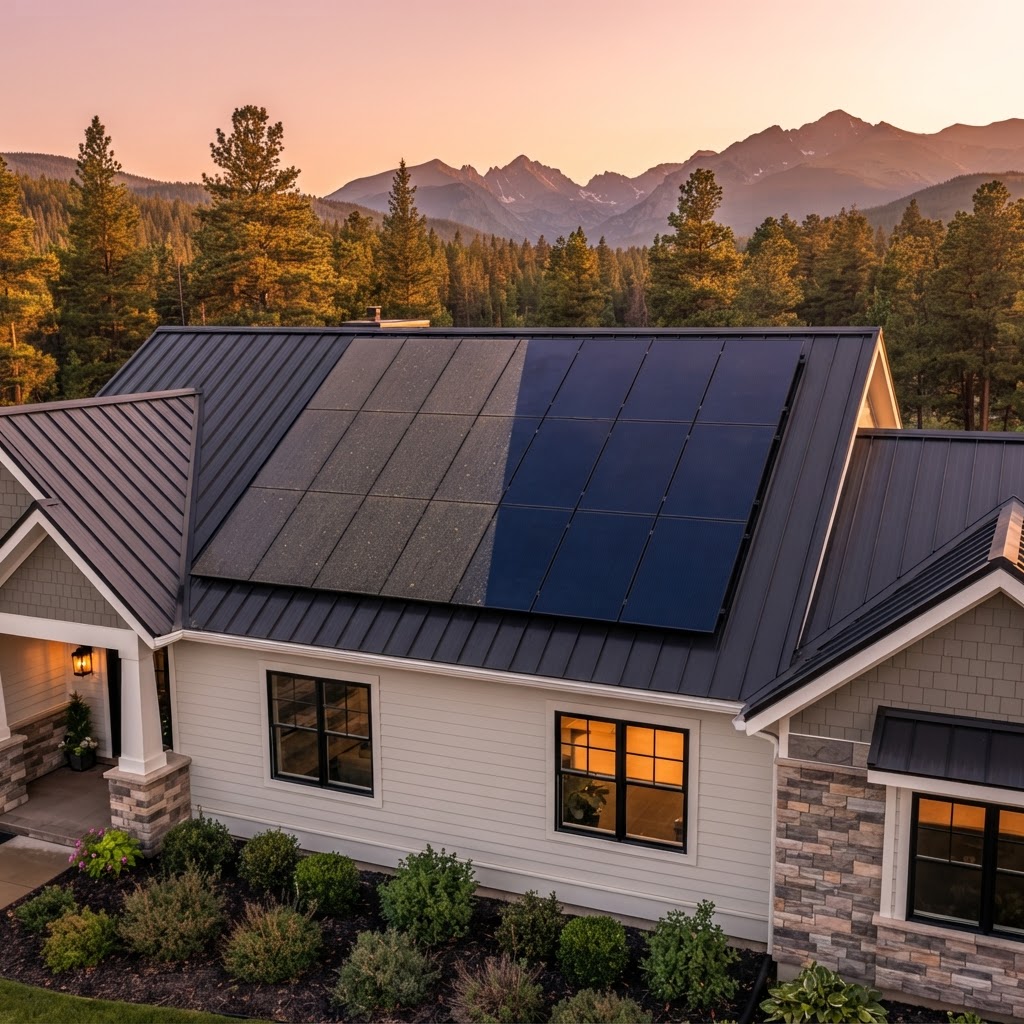
Rain vs Professional Cleaning at a Glance
| Feature | Rain | Professional Cleaning |
|---|---|---|
| Best For | Nothing—insufficient for maintenance | Maintaining energy production and panel lifespan |
| Average Cost | Free (but ineffective) | $150-$400 |
| Time Required | No time—natural process | 1-3 hours |
| Longevity | Days before dust accumulates | 6-12 months before significant buildup |
| Risk Level | No risk | Very low—safe deionized water method |
| Maintenance | Ineffective—panels stay dirty | 1-2 cleanings per year |
| DIY Friendly | Not applicable | No—requires deionized water equipment |
| Our Recommendation | Rain is not sufficient for solar panel maintenance. Professional cleaning 1-2 times per year restores full energy production and protects your investment. The cost of cleaning is typically recovered through increased energy production within a few months. | |
What Each Option Is
Rain
Rain provides a natural rinse for solar panels, removing loose surface dust. In areas with regular rainfall, panels may appear clean. However, rain can't remove the bonded buildup of pollen, bird droppings, hard water deposits, and pollution residue that accumulates over time and reduces energy production.
Professional Cleaning
Professional solar panel cleaning uses deionized (mineral-free) water and soft brushes on extended poles to safely remove all buildup from panel surfaces. Deionized water dries spot-free without chemicals. This method is safe for panels, doesn't void warranties, and restores full energy production.
Advantages & Disadvantages
Rain
Pros
- Free—no cost
- No labor required
- Removes loose surface dust
- Natural process—no chemicals
Cons
- Can't remove bonded buildup and pollen
- Doesn't remove bird droppings or sap
- Can leave hard water spots if minerals present
- Reduces panel efficiency by 15-25%
- Not a substitute for professional cleaning
Professional Cleaning
Pros
- Restores 15-25% lost efficiency
- Removes all buildup—pollen, droppings, pollution
- Uses safe deionized water—no chemicals
- Doesn't void panel warranties
- Identifies damaged or degraded panels
- Increases energy production and savings
Cons
- Costs $150-$400 per cleaning
- Requires scheduling
- Roof accessibility may add cost
- Quality varies between companies
How Much Does Each Option Cost?
Rain
Free (but ineffective)
Professional Cleaning
$150-$400
Rain is free but ineffective at maintaining panel efficiency. Professional solar panel cleaning costs $150-400 depending on panel count and roof accessibility. Given that dirty panels can lose 15-25% efficiency, the cost of cleaning is typically recovered through increased energy production within a few months. Professional cleaning is the clear economic winner.
Pricing varies by property size, condition, and location. These are educational estimates only—not formal quotes.
Head-to-Head Performance
| Metric | Rain | Professional Cleaning |
|---|---|---|
| Effectiveness | Poor—only removes loose dust | Excellent—removes all buildup |
| Longevity | Days before dust accumulates again | 6-12 months before significant buildup |
| Safety | No risk—natural process | Very safe—deionized water and soft brushes |
| Environmental Impact | No chemicals—natural | No chemicals—deionized water only |
| Appearance | May look clean but buildup remains | Visibly clean and clear |
| Maintenance | Ineffective—panels stay dirty | 1-2 cleanings per year |
Best Choice For Your Situation
Common Misconceptions
Rain cleans solar panels effectively.
Rain rinses loose dust but can't remove bonded buildup of pollen, bird droppings, and pollution. This buildup reduces energy production by 15-25%. Professional cleaning with deionized water is necessary.
Solar panels are self-cleaning.
Some panels have anti-reflective coatings that reduce soiling, but no solar panel is truly self-cleaning. All panels accumulate buildup that reduces efficiency and requires professional cleaning.
You can clean solar panels with a hose from the ground.
A hose may rinse loose dust but can't remove bonded buildup. Hard water from a hose can also leave mineral deposits that further reduce efficiency. Professional cleaning uses deionized water.
Frequently Asked Questions
Get Colorado Homeowner Tips Straight to Your Inbox
Join other Colorado homeowners receiving seasonal maintenance reminders, cost-saving tips, and exclusive offers from Drift Exteriors. No spam — just helpful content.
Still Not Sure Which Option Is Right for Your Home?
Request a free property assessment and we'll recommend the safest and most effective solution for your specific exterior surfaces.