How Long Does Fence Stain Last?
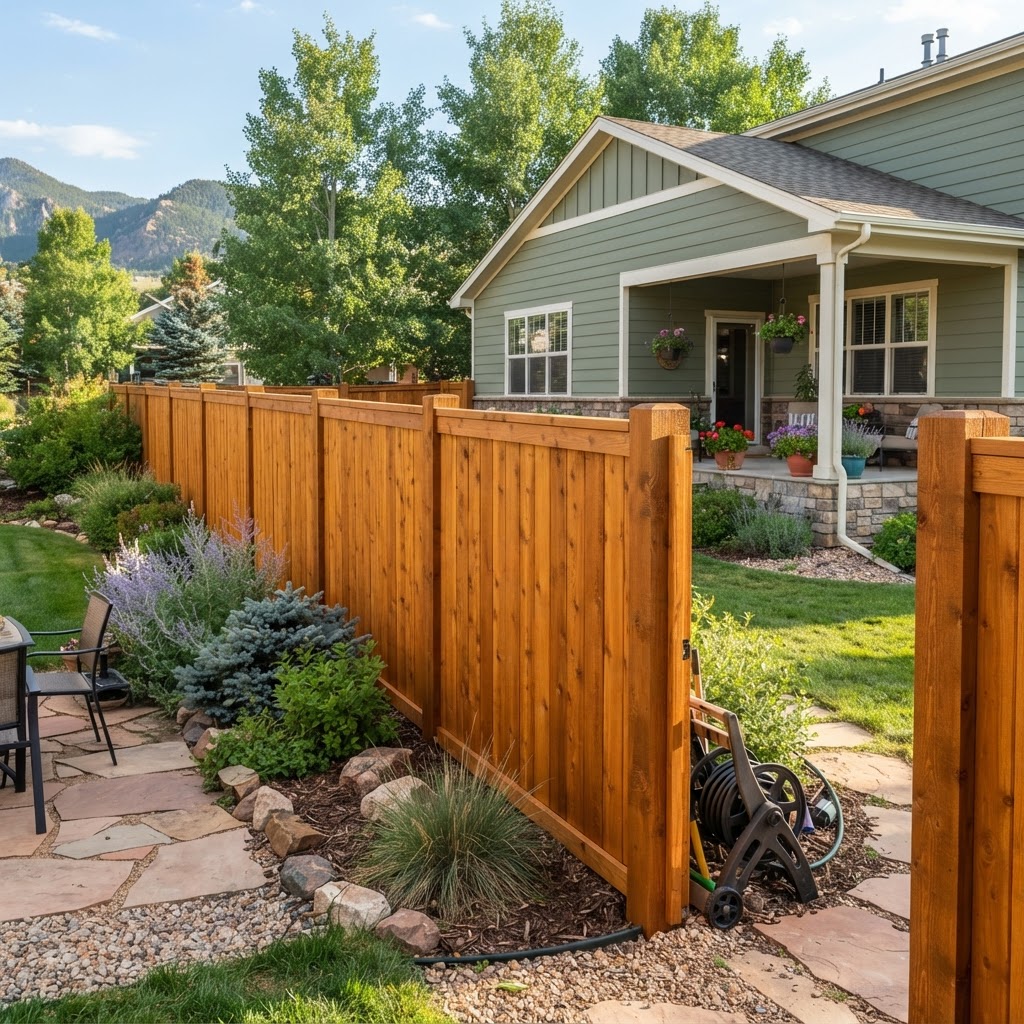
In the unique climate of Denver, Colorado, a high-quality fence stain typically lasts between one and five years, depending heavily on the opacity of the product used and the specific environmental stressors your property faces. While a new stain adds curb appeal, understanding its lifespan is essential for protecting your investment from the harsh Rocky Mountain elements.
Stain Types and Their Expected Lifespans
The longevity of your fence stain is primarily dictated by its opacity. Drift Exteriors recommends selecting the right product based on your aesthetic goals and maintenance preferences:
- Transparent Stains: These provide a natural look but offer the least protection, requiring a fresh coat every 1 to 2 years.
- Semi-Transparent Stains: A popular choice for homeowners who want to show off wood grain while gaining better UV protection. These typically last 2 to 3 years.
- Solid Stains: Offering the most significant coverage and longest lifespan, solid stains act like a thin coat of paint and can protect your fence for 3 to 5 years.
Factors Affecting Fence Stain Longevity
Beyond the product type, several variables determine how fast your stain breaks down. Quality application is paramount; if a professional does not clean the wood properly or applies the stain in poor weather conditions, it will peel prematurely. Furthermore, moisture accumulation and direct sun exposure are the primary catalysts for wood degradation.
Colorado-Specific Challenges
Denver presents a unique set of challenges that shorten the lifespan of fence stains compared to coastal regions. At 5,280 feet above sea level, our thin atmosphere provides significantly less protection against intense UV radiation, which rapidly breaks down wood fibers and pigments. Additionally, Colorado is characterized by extreme temperature fluctuations and freeze-thaw cycles that cause wood to expand and contract, leading to cracking and peeling. When you combine this with our arid climate, which leaches natural oils from the wood, and constant wind-blown debris, it is clear why Denver fences demand a more aggressive maintenance schedule than those in humid climates.
Did you know? In Denver, the southern and western sides of your fence will deteriorate nearly twice as fast as the northern side due to the relentless exposure to direct, high-altitude afternoon sun.
When Is It Time to Restain?
You should inspect your fence annually to determine if it is time for a professional touch-up from Drift Exteriors. Key warning signs include:
- Water Absorption: If water no longer beads on the surface and instead soaks into the wood, the protective barrier is compromised.
- Visible Graying: If the wood fibers are turning gray, the stain has failed and the wood is exposed to the elements.
- Color Fading: Patchy or washed-out areas indicate that UV exposure has stripped the pigments away.
By staying ahead of these signs, you can prevent structural rot and maintain the integrity of your Denver home exterior.
Learn more about our fence restoration services.