Why Dryer Vent Cleaning Matters
Your dryer works hard for your household every week, but the vent that carries hot, moist air out of your home is easy to forget — until something goes wrong. Over time, lint that slips past the lint screen builds up inside the vent run, narrowing the passage and forcing your dryer to work harder, run longer, and run hotter. That combination of trapped heat, restricted airflow, and highly flammable lint is exactly how dryer fires start.
According to the U.S. Fire Administration, clothes dryers cause thousands of home fires every year, and failure to clean is the leading factor. Professional dryer vent cleaning removes the deep lint buildup that routine screen cleaning cannot reach, restoring safe airflow and protecting your home and family.
Warning
If your dryer is hot to the touch, your laundry room feels humid, or you smell a burning odor during a cycle — stop using the dryer and have the vent inspected immediately. These are classic signs of restricted airflow and a serious fire risk.
How Lint Builds Up in the Vent
The lint screen in your dryer catches most fibers, but not all. Fine lint passes through the screen and travels into the transition duct — the short flexible hose behind the dryer — and then into the rigid vent run that carries air to the exterior wall hood. Over months and years, that fine lint sticks to the interior walls of the vent, especially at bends and elbows where airflow slows.
As the vent narrows, the dryer has to push harder to move the same volume of air. Lint that would otherwise exit the home begins to settle and pack inside the vent, accelerating the buildup. The result is a progressively restricted system that raises drying times, energy use, and fire risk until the vent is cleaned.
Signs Your Dryer Vent Needs Cleaning
Dryer vents rarely fail suddenly — they give you warning signs first. Watch for these symptoms:
- Longer drying times. Loads that used to dry in one cycle now need two.
- Clothes still damp. Items feel hot but damp at the end of a cycle.
- Hot laundry room. The room feels unusually warm and humid while the dryer runs.
- Burning smell. A scorched or hot-lint odor during a drying cycle.
- Excess lint at the vent hood. Visible lint buildup around the exterior vent opening.
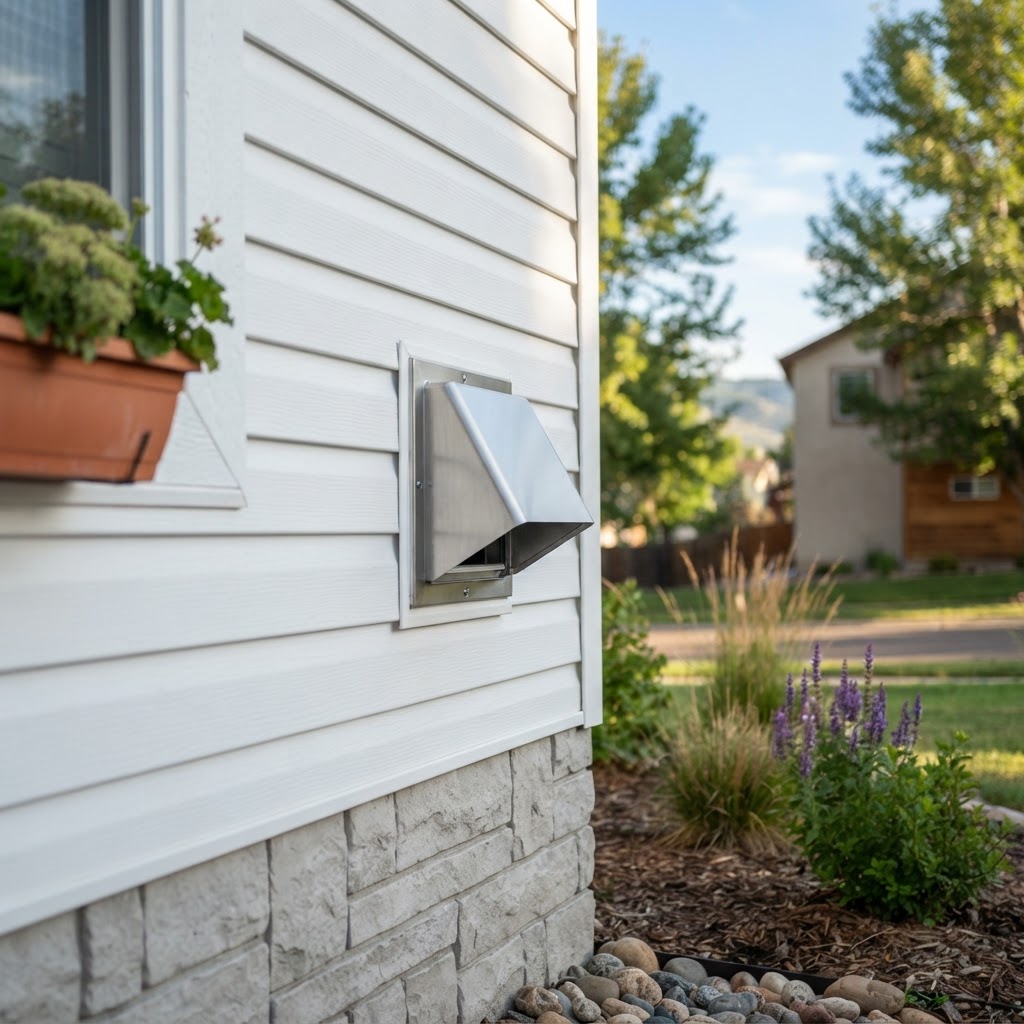
- Vent hood flap not opening. The exterior flap should lift freely when the dryer runs.
Homeowner Tip
Check your exterior vent hood while the dryer is running. If the flap does not lift fully, airflow is restricted — it is time for a cleaning.
How Often Should You Clean Your Dryer Vent?
For most households, professional dryer vent cleaning once per year is the right cadence. Larger families that run multiple loads daily, homes with pets whose hair slips past the screen, and long or complex vent runs may need cleaning every six months.
| Household Type | Recommended Frequency |
|---|---|
| 1–2 person household, light use | Every 12 months |
| Family of 3–5, daily use | Every 12 months |
| Large household, multiple daily loads | Every 6 months |
| Pets that shed heavily | Every 6 months |
| Long or vertical vent runs | Every 6 months |
Colorado Note
Schedule your cleaning in early fall before heating season. A clean vent hood flap moves freely, which helps prevent ice and condensation issues during cold Front Range winters.
What Professional Dryer Vent Cleaning Includes
A thorough professional cleaning addresses the entire system, not just the visible area behind the dryer. Here is what the process typically includes:
- System inspection. The technician inspects the vent run, access points, and exterior hood to assess the level of buildup and any restrictions.
- Transition duct cleaning. The flexible hose behind the dryer is disconnected, cleaned, and inspected for damage or crush points.
- Full-run rotary brushing. Specialized rotary brushes are fed through the entire rigid vent run to loosen packed lint from the interior walls.
- High-powered vacuum extraction. A professional vacuum removes loosened lint and debris so nothing is pushed deeper into the system.
- Airflow verification. Airflow is checked before and after cleaning to confirm the system is clear.
- Reassembly and summary. The dryer is reconnected, the system is tested, and you receive a summary of vent condition and any recommendations.
DIY vs. Professional Dryer Vent Cleaning
There is a meaningful line between what a homeowner can do and what requires a pro. Knowing the difference keeps your home safe and your dryer working well.
| Task | DIY | Professional |
|---|---|---|
| Clean lint screen after every load | Yes | — |
| Vacuum around and behind the dryer | Yes | — |
| Clean short transition duct | Yes | Yes |
| Clean full rigid vent run inside wall | No | Yes |
| Verify airflow before and after | No | Yes |
| Inspect vent hood and termination | Visual only | Yes |
Pro Insight
The deep lint that causes fires lives inside the rigid vent run, often 10 to 30 feet from the dryer. Consumer brushes rarely reach the full length, and pushing lint deeper into the run can make the problem worse. A professional rotary system with simultaneous vacuum extraction is the safe way to fully clear a vent.
How Cleaning Lowers Your Energy Bill
A restricted vent does not just create a fire risk — it costs you money every week. When the vent is clogged, your dryer runs longer to get clothes dry, which means more electricity or gas on every load. Cleaning restores proper airflow so cycles finish faster and the dryer works less.
Many homeowners notice shorter drying times immediately after a cleaning. If your loads are taking two cycles to dry, a clean vent is often the single fastest way to bring them back to one.
Dryer Vent Cleaning and Home Safety
Lint is one of the most flammable materials in your home. When it packs inside a vent and the dryer overheats from restricted airflow, the conditions for ignition are present. Professional cleaning removes the fuel source and restores the airflow that keeps the dryer operating at a safe temperature.
For homes in the Denver Metro area, annual dryer vent cleaning is one of the highest-value safety services you can schedule — it protects your home, your family, and your appliance investment in a single visit.
Frequently Asked Questions
Still have questions about dryer vent cleaning? These are the ones Denver-area homeowners ask us most.