The Green Wall Mystery
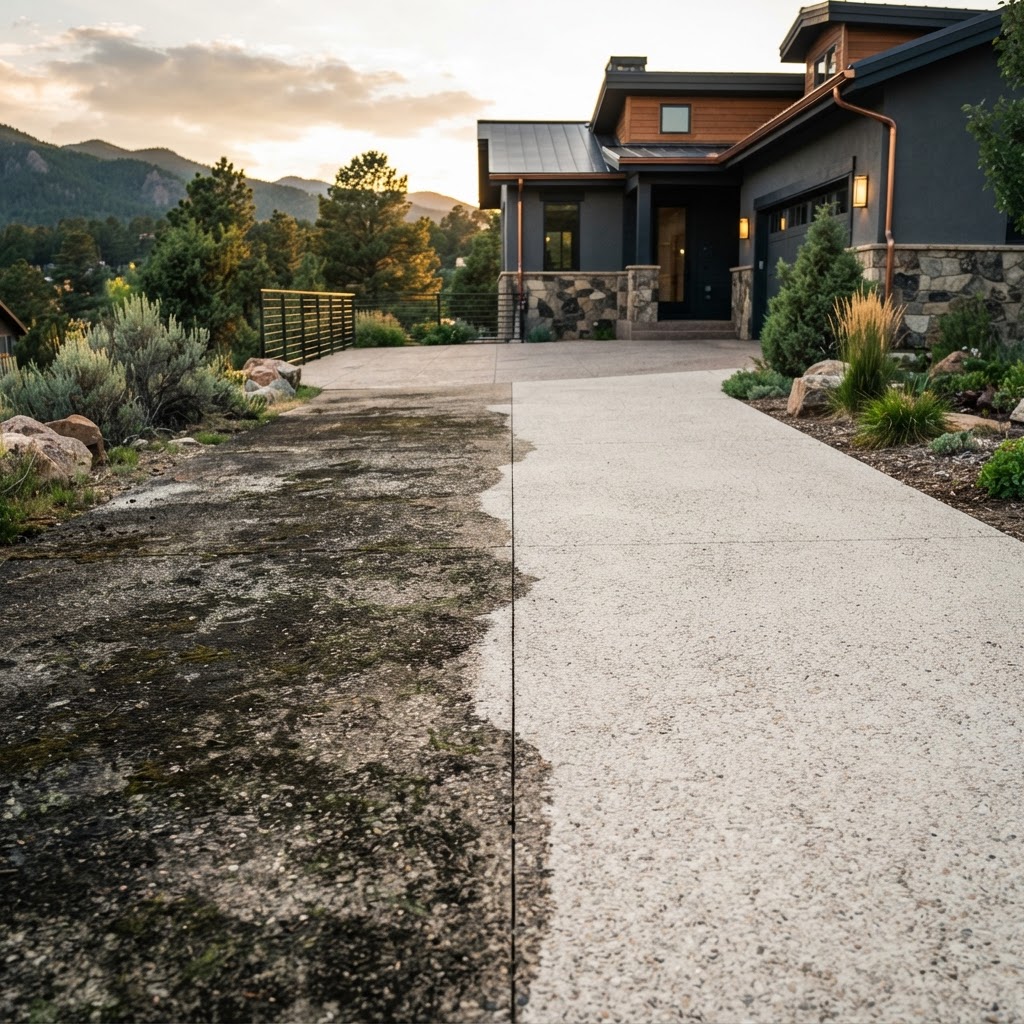
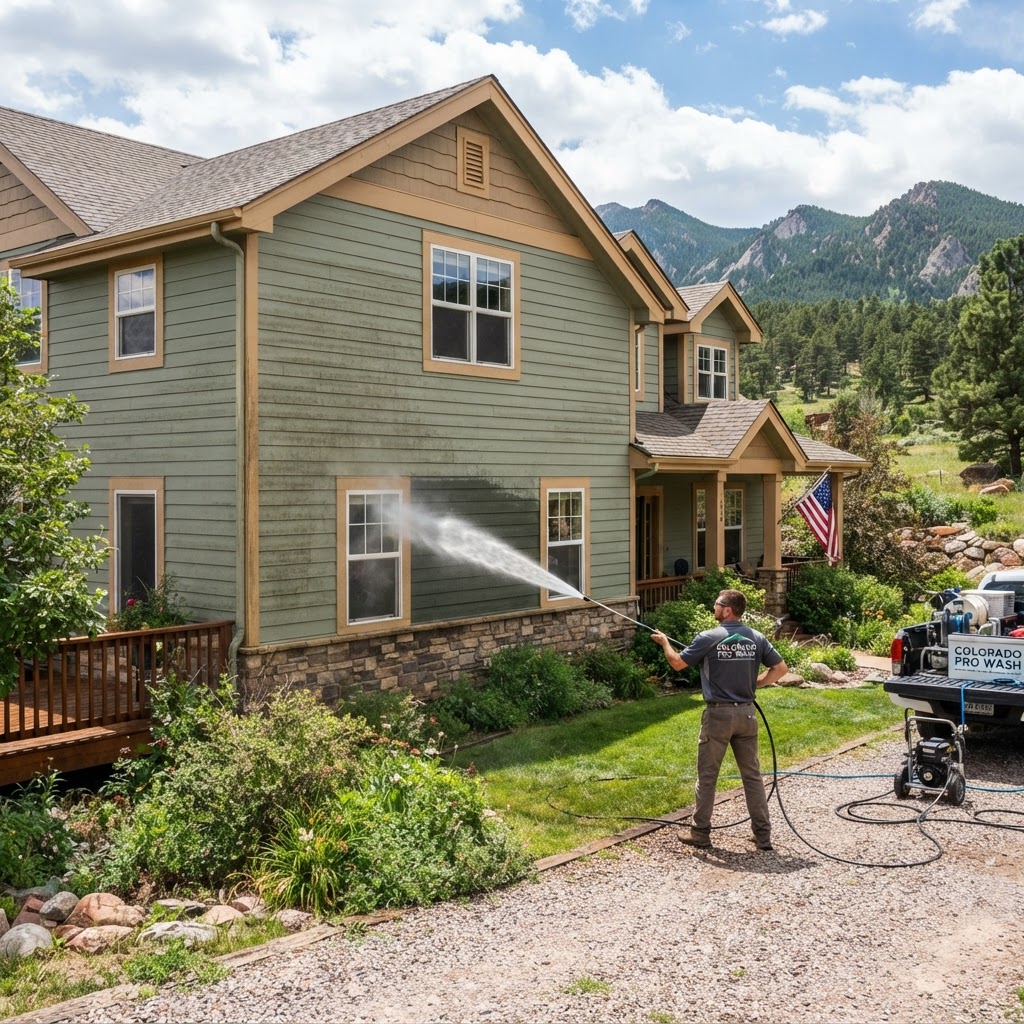
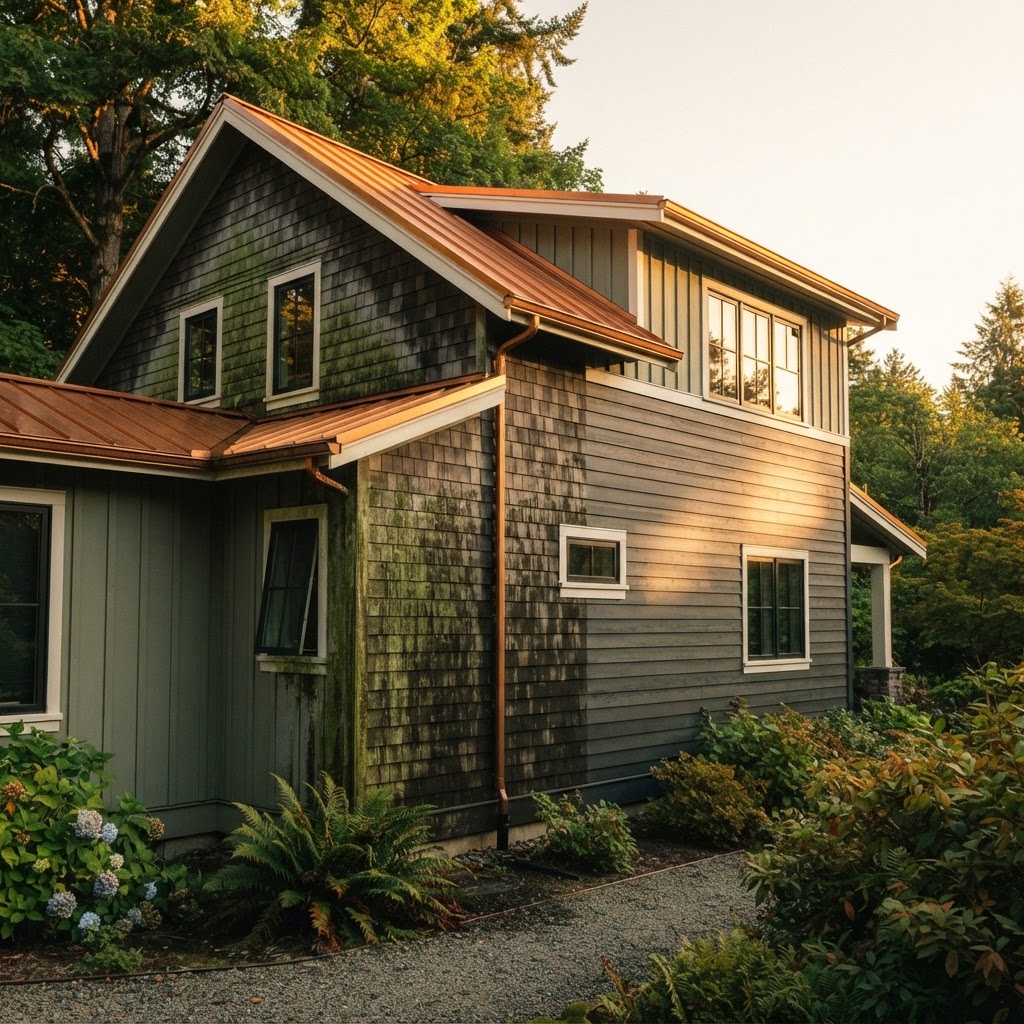
A homeowner in Lakewood called us with a common Colorado problem: "The north side of my house is turning green." After a particularly wet spring, the entire north-facing wall of their vinyl-sided home had developed a dark green film that was spreading visibly week by week.
This is one of the most common calls we receive, and the cause is always the same: algae. But understanding why it grows, why it targets north-facing walls, and how to remove it safely requires understanding a bit of Colorado science.
Quick Summary
Green discoloration on north-facing siding is algae (Gloeocapsa magma), which thrives in the shade and moisture that north walls provide. Soft washing with a specialized algaecide solution removes it at the root and prevents regrowth for 2–3 years. The homeowner's siding was fully restored, and we addressed the conditions (tree shade and sprinkler overspray) that caused the growth.
The Situation: A Wet Spring in Lakewood
Golden's spring had been unusually wet — above-average rainfall through April and May combined with typical afternoon thunderstorms. For this Lakewood home, the moisture came from two sources: natural rainfall and a sprinkler system that oversprayed the north wall every morning.
The north-facing wall of the home faced a line of mature pine trees, meaning it received almost no direct sunlight throughout the day. The combination of moisture and shade created ideal growing conditions for algae, and within weeks the entire wall was coated in a green film.
What Is the Green Growth?
The green discoloration on the homeowner's siding was Gloeocapsa magma — a type of cyanobacteria (blue-green algae) that is extremely common on home exteriors across Commerce City, Arvada, and Centennial. Here's what you need to know about it:
- It feeds on organic matter — dust, pollen, and the limestone filler in asphalt shingles that washes down the roof during rain
- It spreads via airborne spores — which is why it appears on multiple homes in the same neighborhood
- It thrives in shade and moisture — north walls, shaded areas, and near-ground sections are most affected
- It starts green and darkens — fresh growth appears green, then turns brown and black as it matures and layers
- It holds moisture against siding — which accelerates surface degradation and can lead to water intrusion
Why North-Facing Walls Are Vulnerable
In Louisville and Centennial (and the entire Northern Hemisphere), north-facing walls receive the least direct sunlight. This creates a microclimate that's perfect for algae:
| Factor | South-Facing Wall | North-Facing Wall |
|---|---|---|
| Direct sunlight | 6–8 hours/day | 0–2 hours/day |
| Surface drying time | 1–2 hours after rain | 6–12+ hours |
| Surface temperature | Warm (kills spores) | Cool (spores survive) |
| Algae risk | Low | High |
Colorado-Specific
Colorado's high elevation means intense UV kills algae quickly on sun-exposed surfaces — which is why you'll often see a sharp line where the sun reaches and where it doesn't on the same wall. That line is the boundary between where algae can and cannot survive.
The Assessment: Identifying Contributing Factors
Before cleaning, we assessed why the algae had grown so aggressively on this particular home. Three factors contributed:
1. Tree Shade
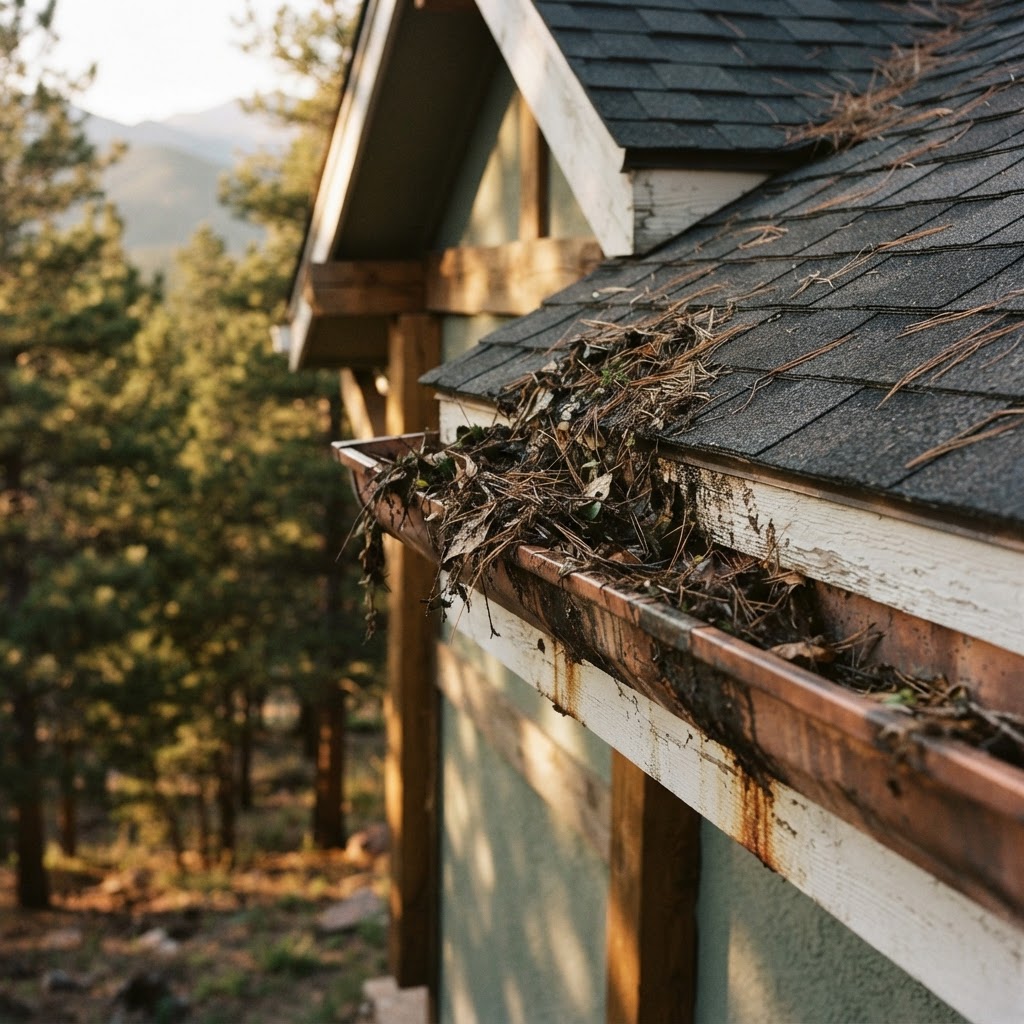
A row of mature pine trees along the north property line blocked all direct sunlight from reaching the affected wall. The trees also dropped organic debris (needles, pollen) that fed the algae.
2. Sprinkler Overspray
The homeowner's irrigation system sprayed the north wall every morning at 6 AM. This daily moisture — on a wall that never fully dried — was the primary fuel for algae growth.
3. Roof Runoff
Rainwater running off the roof carried limestone particles from the asphalt shingles down the north wall. This mineral-rich runoff is a primary food source for Gloeocapsa magma.
The Solution: Professional Soft Washing
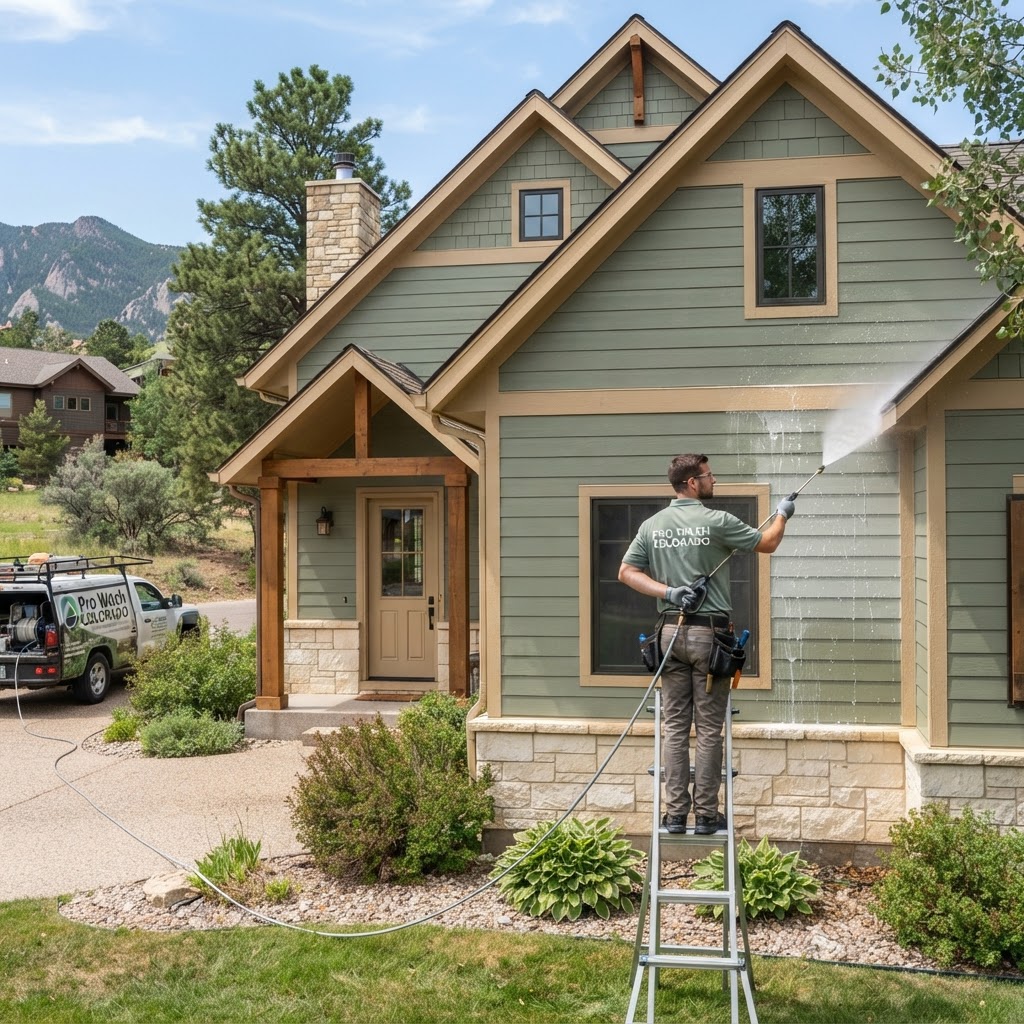
We recommended soft washing — not pressure washing — to remove the algae. Here's the process we used:
Step 1: Property Protection
We covered all landscaping along the north wall, including flower beds and a decorative rock garden. While our cleaning solution is biodegradable, we protect all plants as a standard precaution.
Step 2: Algaecide Solution Application
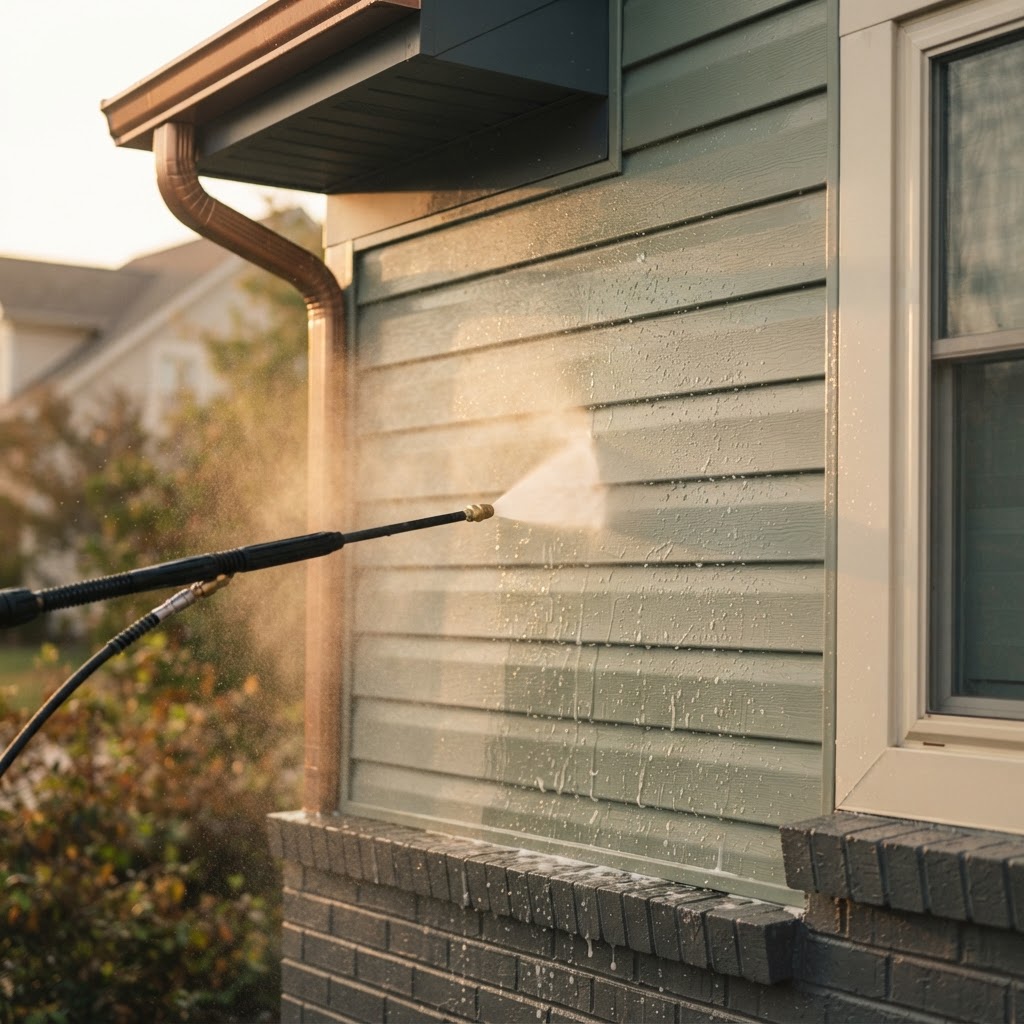
We applied a specialized soft wash solution containing an algaecide that kills Gloeocapsa magma at the cellular level. The solution was applied at low pressure — comparable to a garden hose — to ensure zero risk of water intrusion behind the siding.
Step 3: Dwell Time
The solution was allowed to dwell for 15 minutes. During this time, the algaecide penetrated the siding pores and killed the algae roots — something that surface-level cleaning (like pressure washing or bleach) cannot achieve.
Step 4: Low-Pressure Rinse
We rinsed the siding with low-pressure water. The dead algae lifted away cleanly, revealing the original siding color underneath — a consistent, bright finish with no streaks or blotchy patches.
Step 5: Preventive Recommendations
After cleaning, we recommended three changes to prevent regrowth:
- Adjust sprinkler heads to eliminate overspray on the north wall — the single most impactful change
- Trim lower pine branches to increase airflow and morning sunlight on the wall
- Schedule a follow-up soft wash in 2–3 years before any regrowth becomes visible
The Result: A Wall Restored
The transformation was dramatic. The green film that had covered the entire north wall was gone, revealing clean, bright vinyl siding underneath. The homeowner was amazed that the "permanent" discoloration they'd been living with for months came off so completely.
Because soft washing kills algae at the root — rather than just blasting it off the surface — the homeowner can expect 2–3 years before any regrowth appears. By addressing the sprinkler overspray and tree shade, we've extended that timeline even further.
Homeowner Tip
If only one side of your home is turning green, it's algae — not dirt or pollution. The green growth thrives in shade and moisture. Fix the moisture source (sprinklers, drainage) and soft wash the surface, and the problem won't return for years.
Why Not Pressure Wash or Use Bleach?
The homeowner had considered two DIY approaches before calling us. Here's why neither would have worked:
Pressure Washing
Pressure washing removes surface algae but doesn't kill the roots embedded in the siding pores. Within 3–6 months, the algae returns — often worse, because the pressure washing created micro-scratches in the siding that give algae more surface area to colonize. Worse, pressure washing vinyl siding risks water intrusion, cracked panels, and stripped oxidation.
Household Bleach
Bleach kills surface algae but has major drawbacks: it doesn't penetrate siding pores where roots live, it can discolor vinyl and damage paint, it kills landscaping on contact, and it's harmful to breathe. Professional soft wash solutions are specifically formulated for siding — more effective, longer-lasting, and safer.
Frequently Asked Questions
Below are the most common questions Thornton homeowners ask about green siding and algae removal.
See the FAQ section below for detailed answers on causes, removal methods, prevention, and safety.
Is Your North Wall Turning Green?
If your siding is developing green or dark streaks — especially on north-facing walls — it's algae that will only get worse. Drift Exteriors provides professional soft washing that removes algae at the root and prevents regrowth for years. Request a free quote or learn more about our house washing service.