Restore a Fence vs Replace a Fence
Old, gray fences don't always need replacement. One costs $1,000—the other costs $5,000. Know the difference.
When a wood fence looks old, gray, and weathered, homeowners often assume it needs to be replaced. In many cases, professional restoration—cleaning and staining—can make it look nearly new at a fraction of the cost. But there's a clear point where replacement becomes the right choice. Understanding the difference can save thousands.
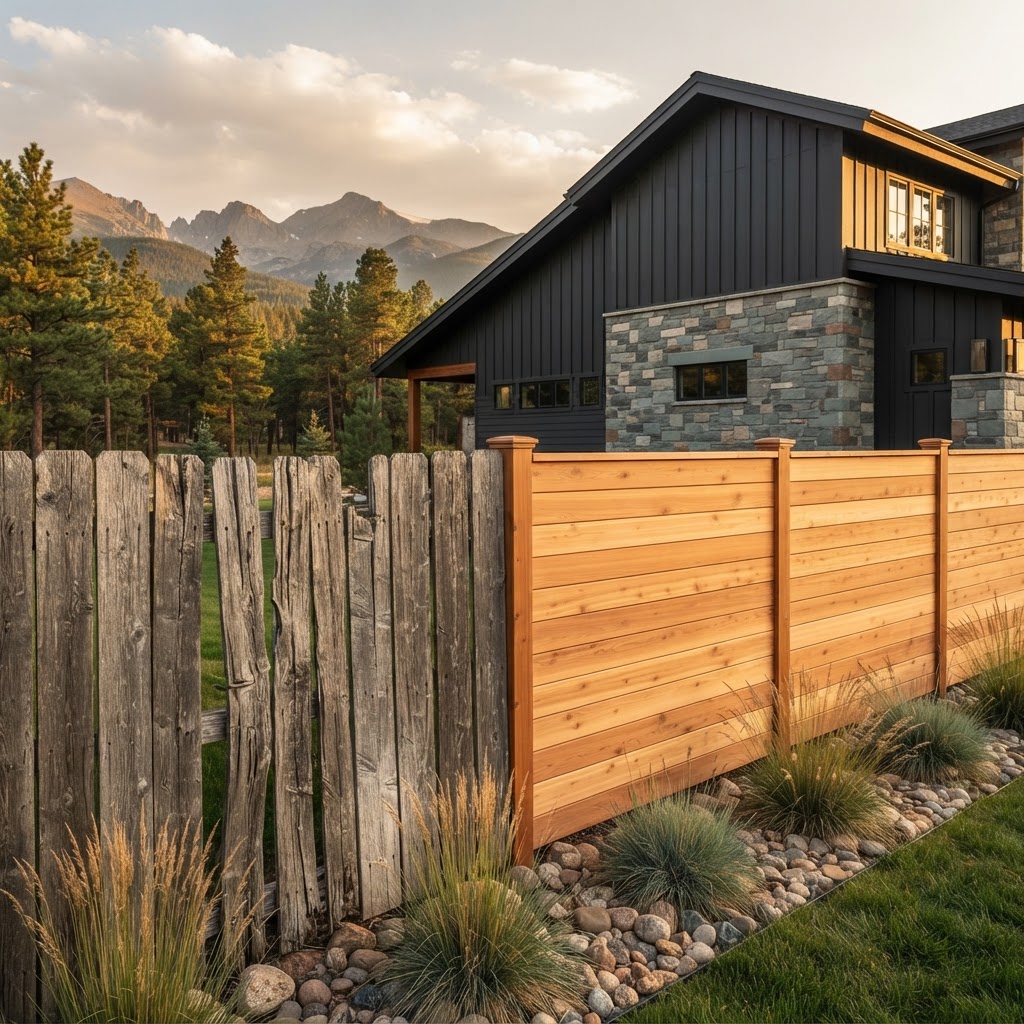
Restore a Fence vs Replace a Fence at a Glance
| Feature | Restore a Fence | Replace a Fence |
|---|---|---|
| Best For | Structurally sound fences with cosmetic damage | Rotting posts, broken rails, end-of-life fence |
| Average Cost | $600-$1,500 | $3,000-$8,000+ |
| Time Required | 1-2 days | 3-7 days |
| Longevity | Extends life 5-10 years | 15-25 years for new fence |
| Risk Level | Very low—standard cleaning/staining | Standard construction risk |
| Maintenance | Re-stain every 2-4 years | Stain every 2-4 years |
| DIY Friendly | Possible but requires equipment | No—professional installation recommended |
| Our Recommendation | Always try restoration first. If posts are solid and rails are intact, cleaning and staining will dramatically improve appearance at a fraction of replacement cost. Only replace if structural components are rotting or broken, or the fence is at the end of its lifespan (15-25 years). | |
What Each Option Is
Restore a Fence
Fence restoration involves cleaning the fence to remove dirt, mold, mildew, and UV-damaged surface wood, then staining to protect and restore appearance. It's the appropriate first step whenever a fence looks old, gray, or weathered but is structurally sound. Restoration costs a fraction of replacement.
Replace a Fence
Fence replacement involves removing the existing fence, setting new posts, and installing new rails, boards, and hardware. It's necessary when structural components—posts, rails, or a significant portion of boards—are rotting, broken, or beyond repair. It's a major investment that should only be undertaken when restoration isn't possible.
Advantages & Disadvantages
Restore a Fence
Pros
- Costs 3-5x less than replacement
- Can make old fences look nearly new
- Removes UV damage and organic growth
- Extends fence life by 5-10 years
- Fast—completed in 1-2 days
- Less disruptive than full replacement
Cons
- Won't fix rotting posts or broken rails
- Won't change the fence design or height
- Some deeply damaged wood may not restore fully
- Results are temporary—needs re-staining every 2-4 years
Replace a Fence
Pros
- Fixes structural damage completely
- Provides a completely new appearance
- Allows you to change the design or material
- New materials may last longer
- Can increase property value
Cons
- Expensive—$3,000-$8,000+
- Time-consuming—takes several days
- Major construction project with disruption
- May require permits in some areas
- New fence will eventually need staining too
How Much Does Each Option Cost?
Restore a Fence
$600-$1,500
Replace a Fence
$3,000-$8,000+
Fence restoration (cleaning + staining) costs $600-1,500 for a typical fence. Fence replacement costs $3,000-8,000+ depending on material and length. If your fence is structurally sound, restoration is dramatically cheaper. Replace only if posts are rotting, rails are broken, or the fence is at the end of its lifespan (15-25 years for wood).
Pricing varies by property size, condition, and location. These are educational estimates only—not formal quotes.
Head-to-Head Performance
| Metric | Restore a Fence | Replace a Fence |
|---|---|---|
| Effectiveness | Excellent for sound fences with cosmetic damage | Excellent for structurally damaged fences |
| Longevity | Extends life 5-10 years | 15-25 years for new fence |
| Safety | Very safe—standard cleaning and staining | Standard construction risk |
| Environmental Impact | Reuses existing materials | Old fence disposal, new material manufacturing |
| Appearance | Dramatic improvement, nearly new look | Completely new appearance |
| Maintenance | Re-stain every 2-4 years | Stain every 2-4 years (still needed) |
Best Choice For Your Situation
Common Misconceptions
If a wood fence looks old and gray, it needs to be replaced.
Gray wood is UV-damaged surface wood. Professional cleaning removes the damaged layer, and staining restores color and protection. Most fences that look old can be restored for $600-1,500 vs $3,000-8,000+ for replacement.
Restoration is a waste of money on old fences.
If the structural components (posts, rails) are sound, restoration is dramatically more cost-effective than replacement. Cleaning and staining can extend fence life by 5-10 years.
New fences don't need staining.
New wood fences should be stained within 2-3 months of installation. Colorado's intense UV will begin damaging unprotected wood immediately. Early staining prevents graying and extends fence life.
Frequently Asked Questions
Get Colorado Homeowner Tips Straight to Your Inbox
Join other Colorado homeowners receiving seasonal maintenance reminders, cost-saving tips, and exclusive offers from Drift Exteriors. No spam — just helpful content.
Still Not Sure Which Option Is Right for Your Home?
Request a free property assessment and we'll recommend the safest and most effective solution for your specific exterior surfaces.