How Often Should Windows Be Cleaned?
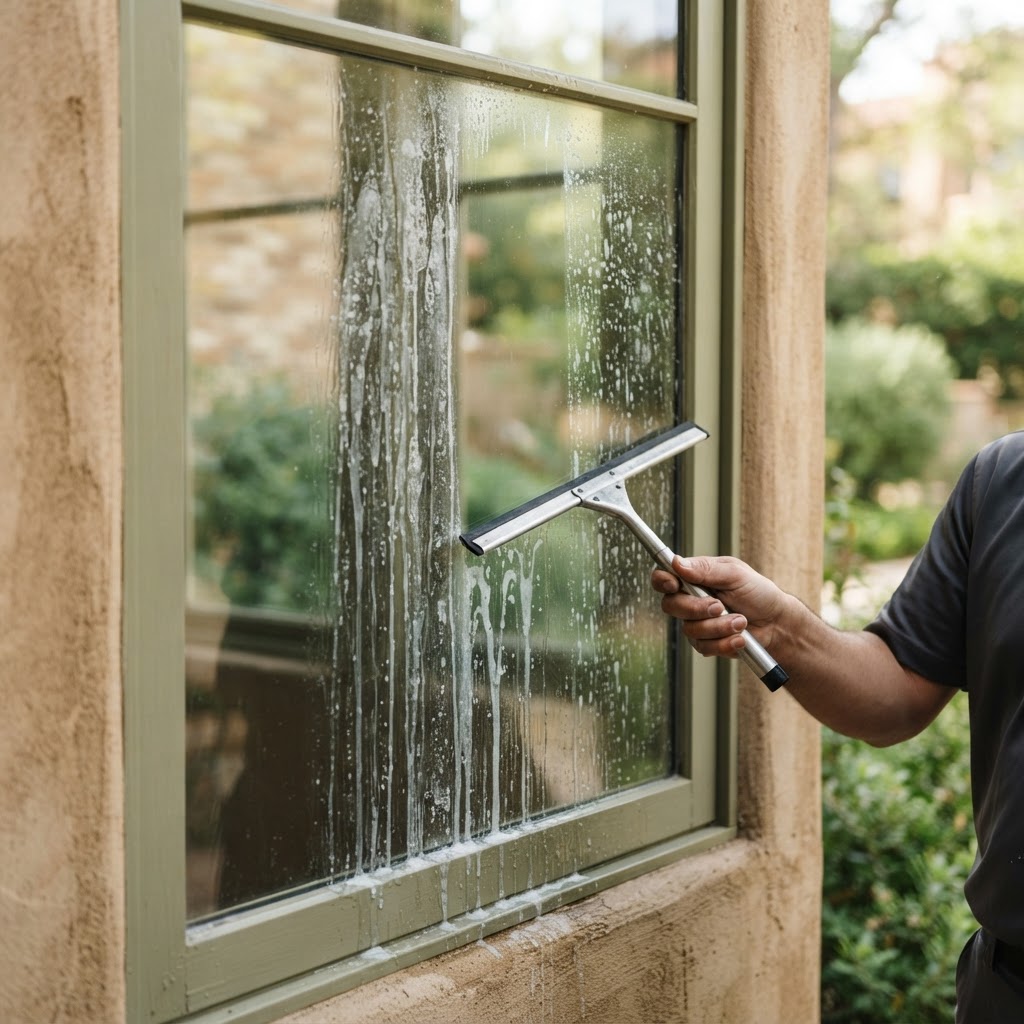
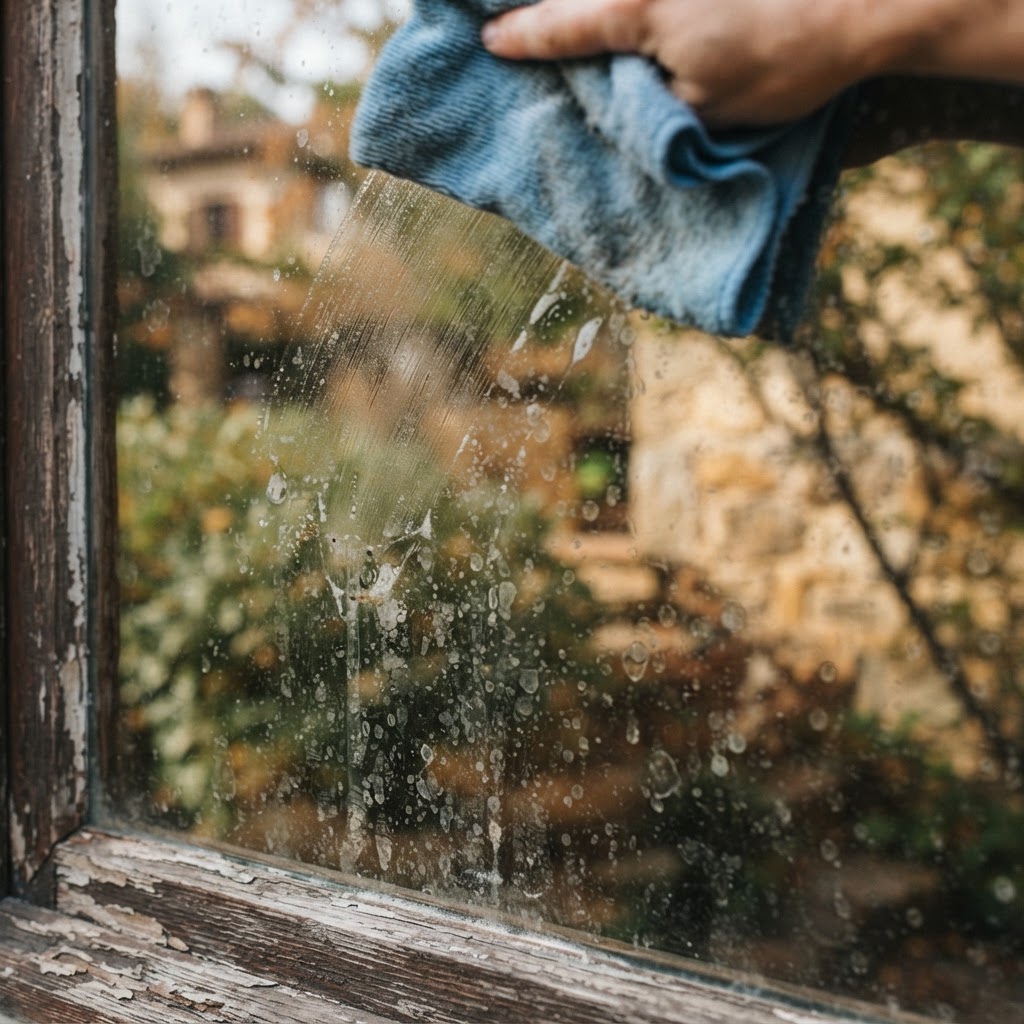
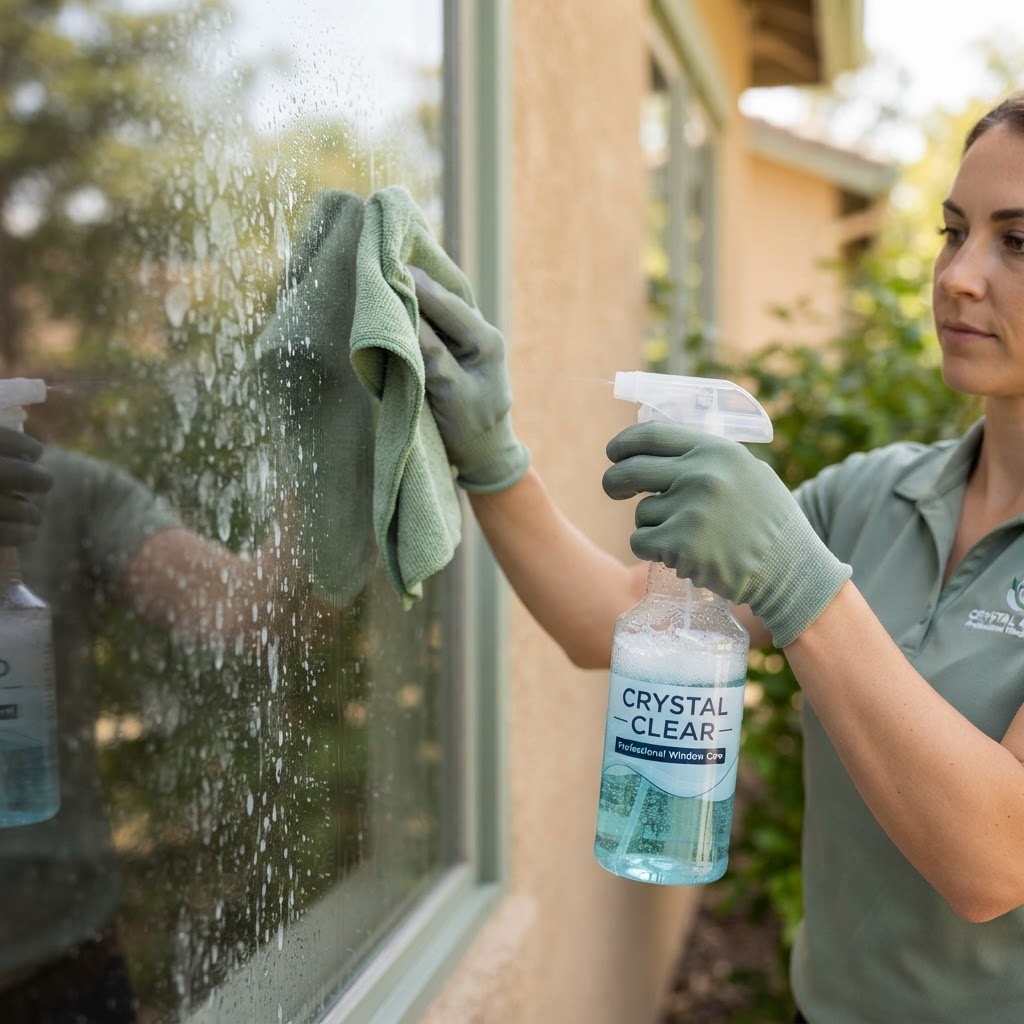
Most homeowners benefit from professional window cleaning one to two times per year. Homes near roads or trees may need more frequent service.
Your utility center. Practical tools, cost guides, checklists, and references to help you plan, budget, and maintain your Colorado property with confidence.
Sometimes you don't need a guide — you need an answer, a number, or a checklist. This is where you'll find the practical tools that make owning and maintaining a Colorado home easier.
Quick answers to the most common exterior maintenance questions from Colorado homeowners.
View ResourcesRealistic pricing ranges for every exterior cleaning service, with clear breakdowns of what affects cost.
View ResourcesHow often each exterior surface should be cleaned in Colorado's climate.
View ResourcesFree printable PDFs designed specifically for Colorado homeowners. Stay ahead of costly repairs with seasonal maintenance checklists, preparation guides, inspection forms, and annual planning tools.
View ResourcesSide-by-side comparisons of cleaning methods, services, and maintenance options to help you make confident, informed decisions.
View ResourcesWhat to look for when hiring an exterior cleaning company — and what to avoid.
View ResourcesFree guides and reference sheets you can save and keep forever.
View ResourcesCalculators, scheduling tools, and resources to plan your maintenance.
View ResourcesCost guides, comparisons, maintenance schedules, and buying advice — all in one place.

Most homeowners benefit from professional window cleaning one to two times per year. Homes near roads or trees may need more frequent service.

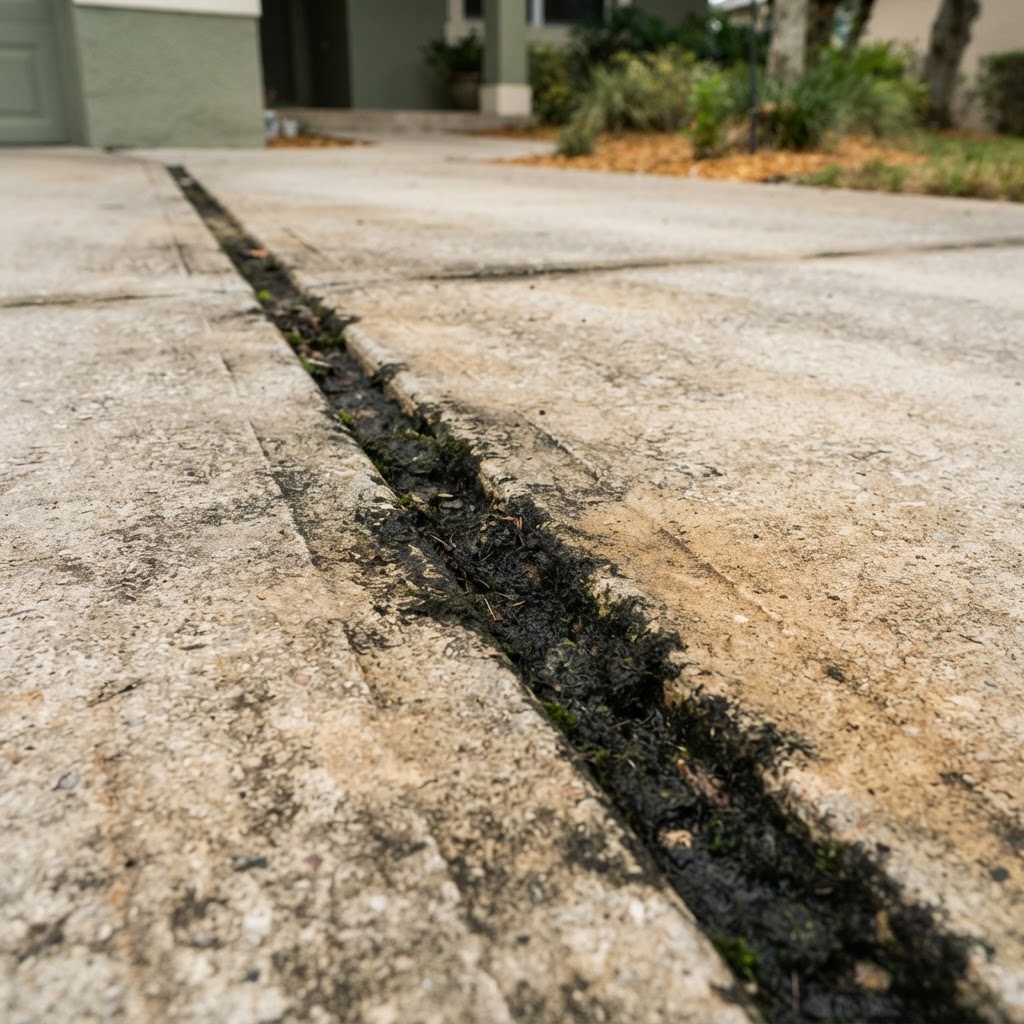
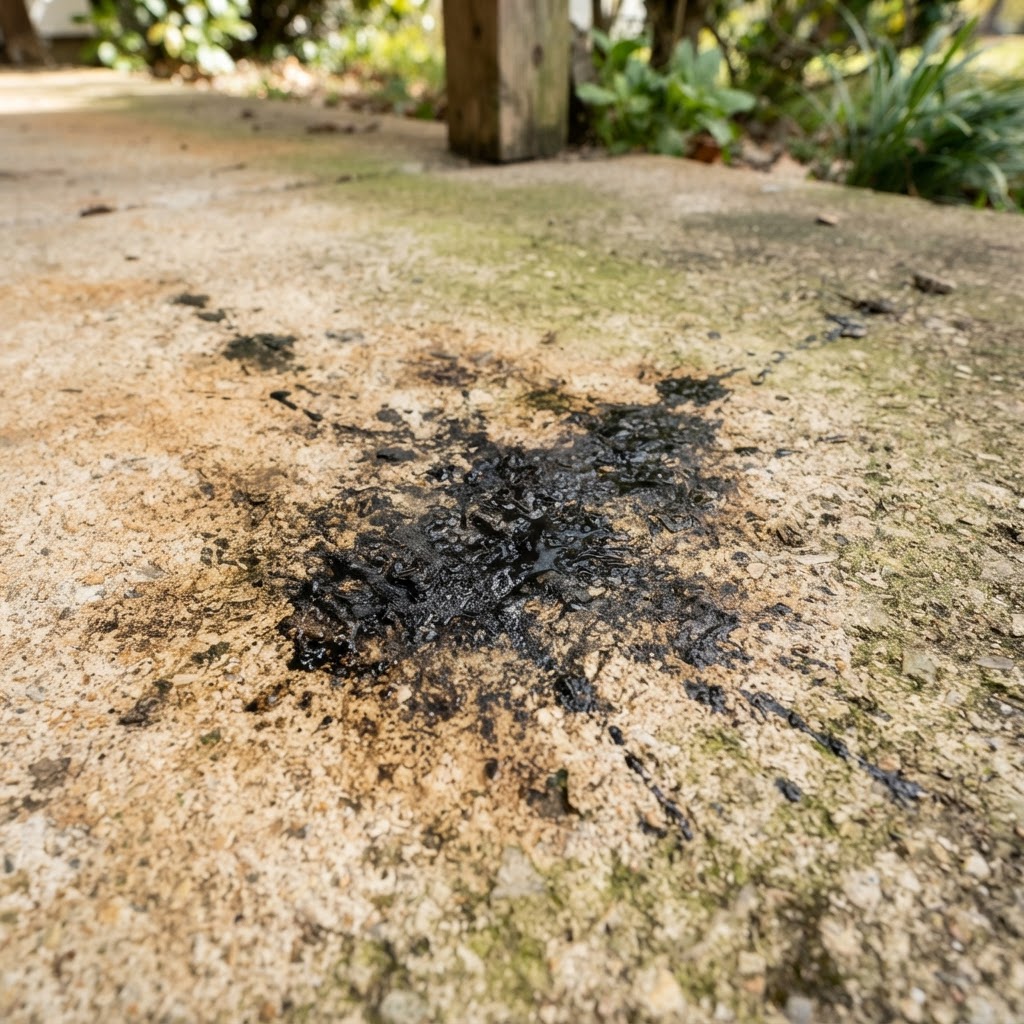
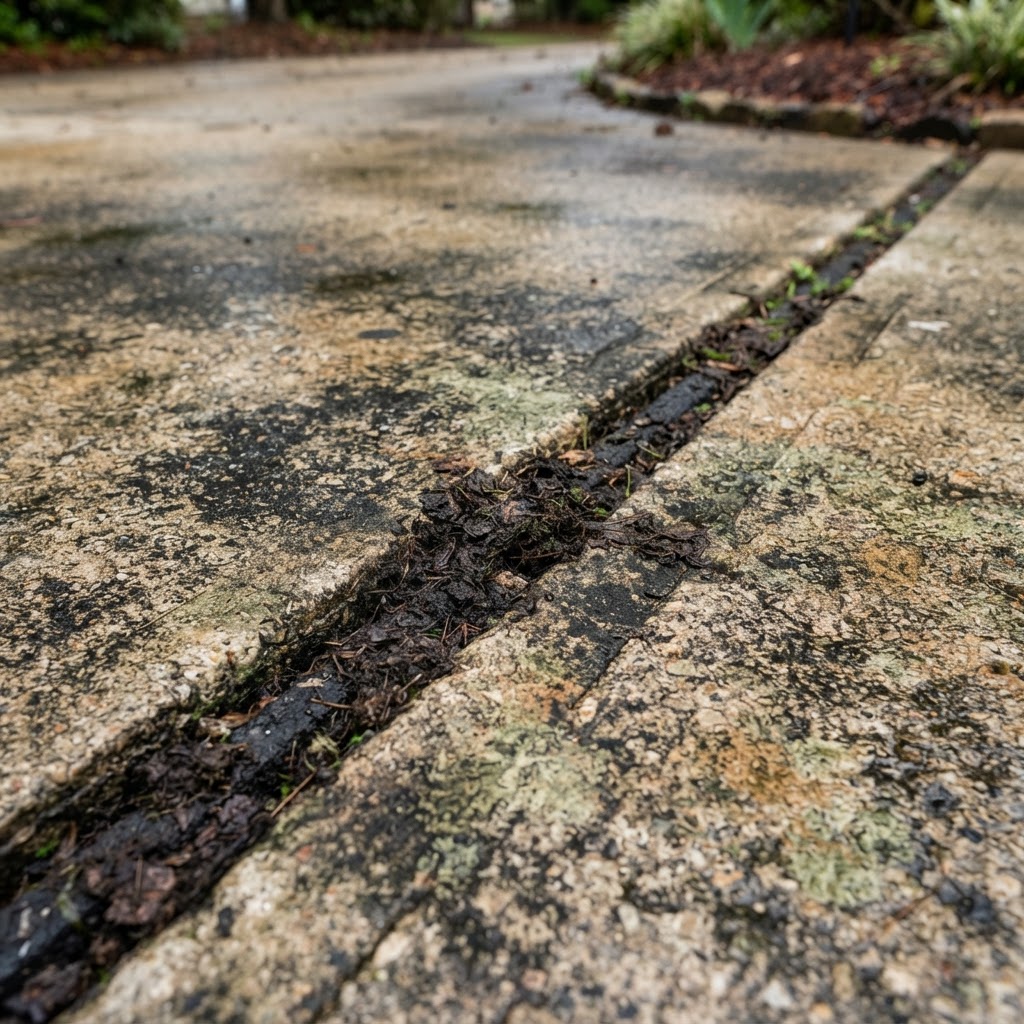
Black staining on concrete is usually caused by algae, mildew, mold, vehicle traffic, and years of embedded dirt in the porous surface.

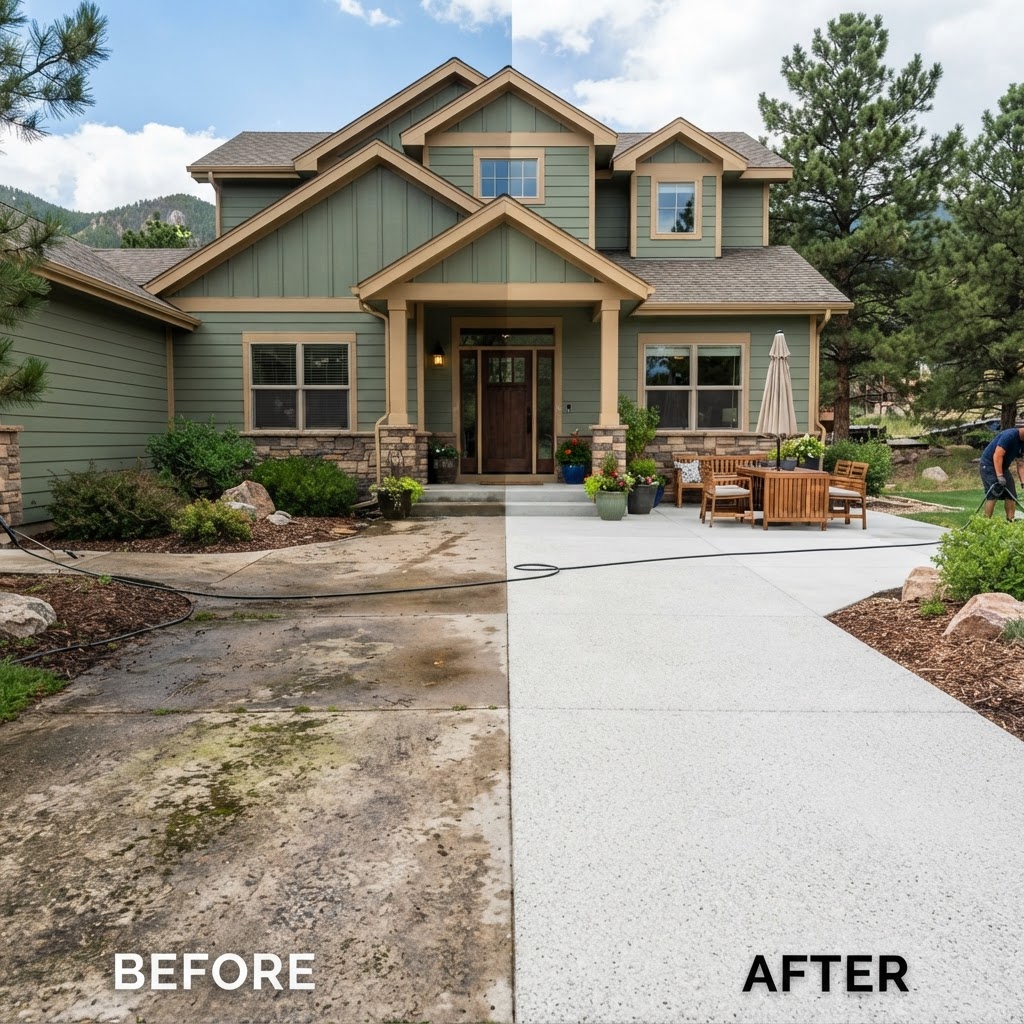
Most residential concrete should be professionally cleaned every one to two years. High-traffic or shaded areas may need more frequent cleaning.

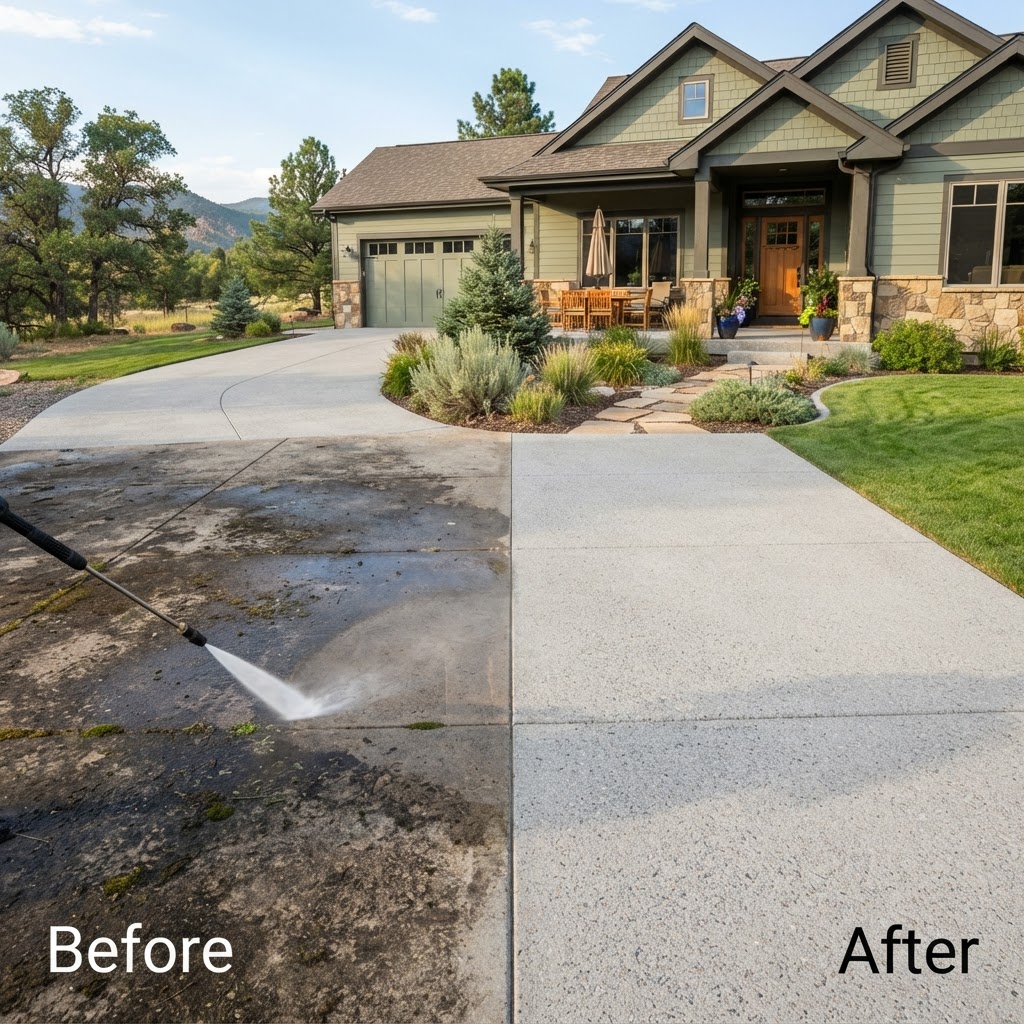
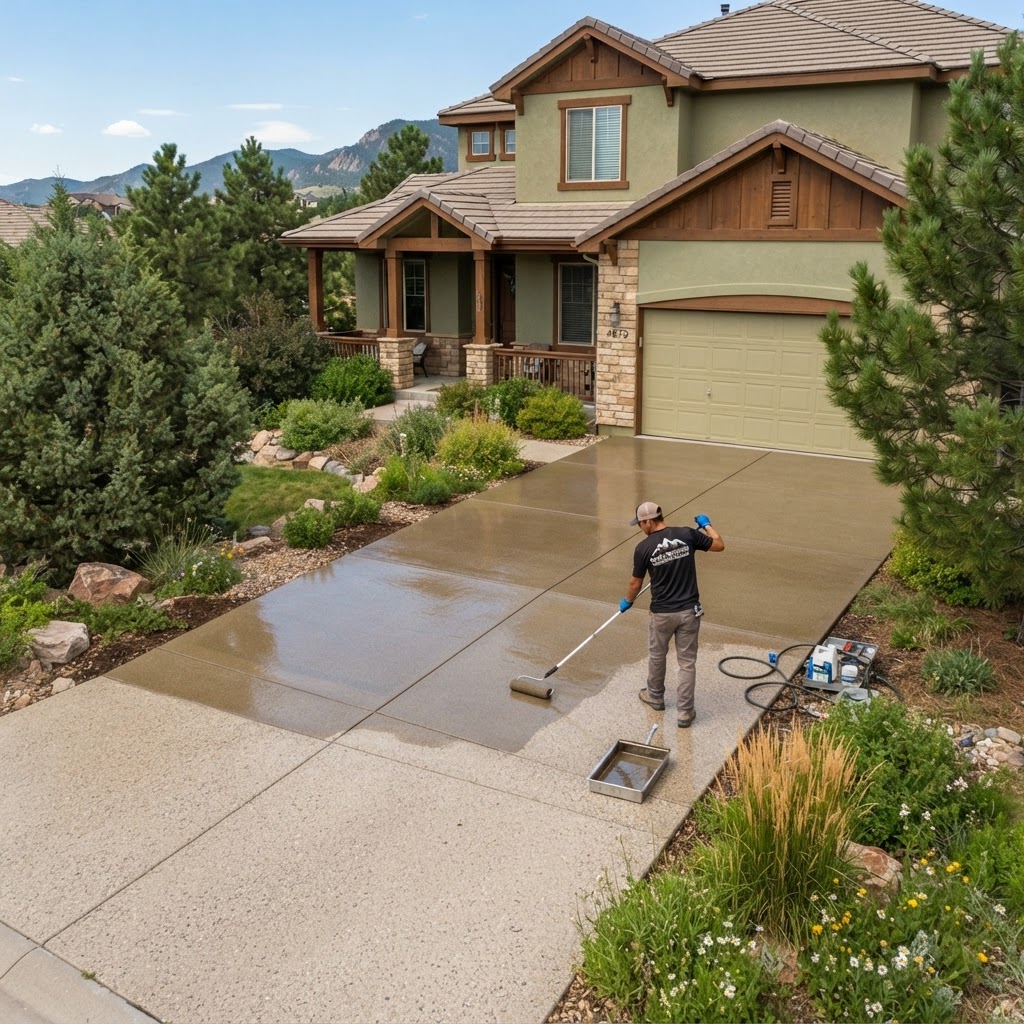
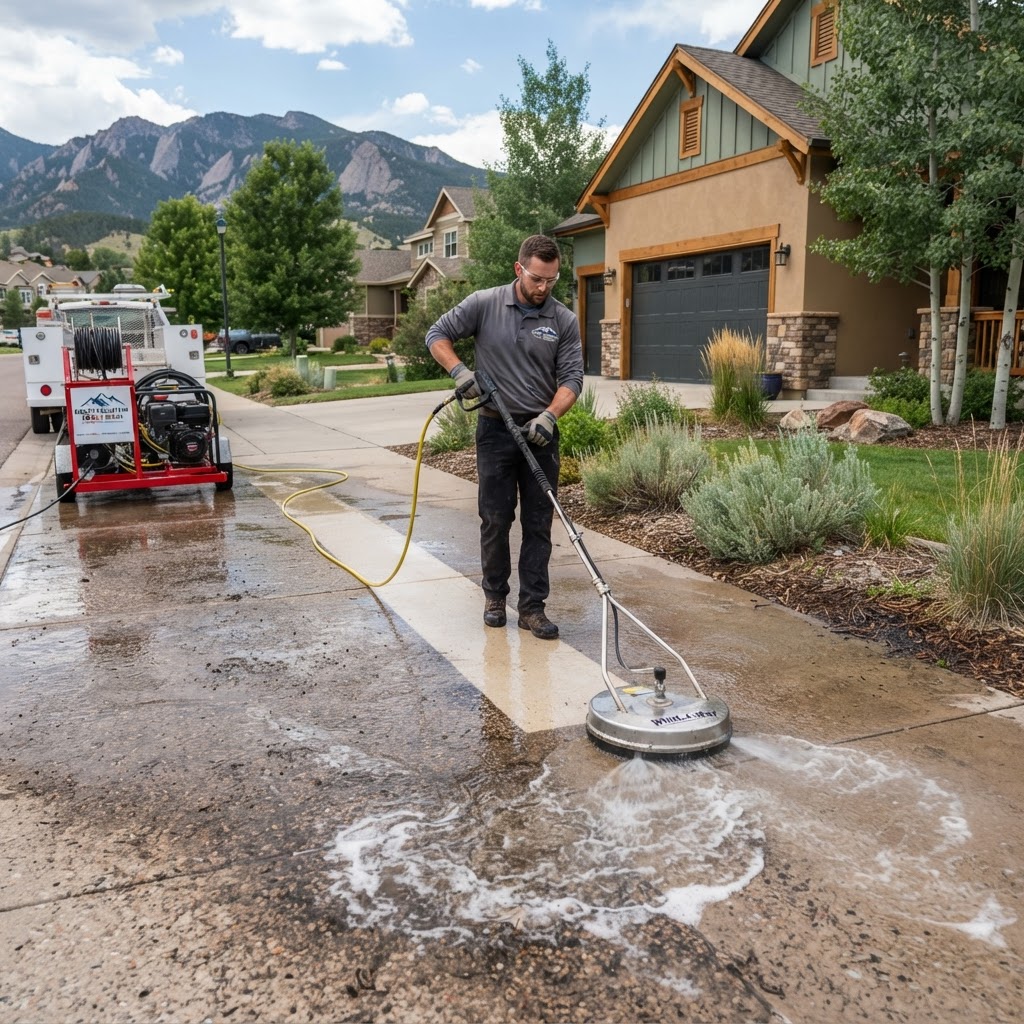
Concrete cleaning removes dirt, algae, mildew, tire marks, and contaminants from concrete surfaces using professional equipment and techniques.

For many homeowners, yes. Professional window cleaning saves time, improves safety, and produces noticeably better results than DIY methods.

Streaks are caused by dirty tools, improper solutions, direct sunlight during cleaning, or residue left on the glass.

For the best results, yes. Cleaning both sides removes buildup from each surface and provides the clearest possible view.

Yes, over time. Mineral deposits, hard water, tree sap, and bird droppings can gradually etch or stain glass if left untreated.

Yes. Professional window cleaning uses specialized tools and techniques designed for glass, preventing scratching and delivering streak-free results.

Professional window cleaning commonly includes cleaning glass, wiping frames and sills, detailing edges, and removing dirt, bugs, and cobwebs.

Sometimes. Light mineral deposits can be removed professionally, but severe hard water staining may require specialized restoration methods.

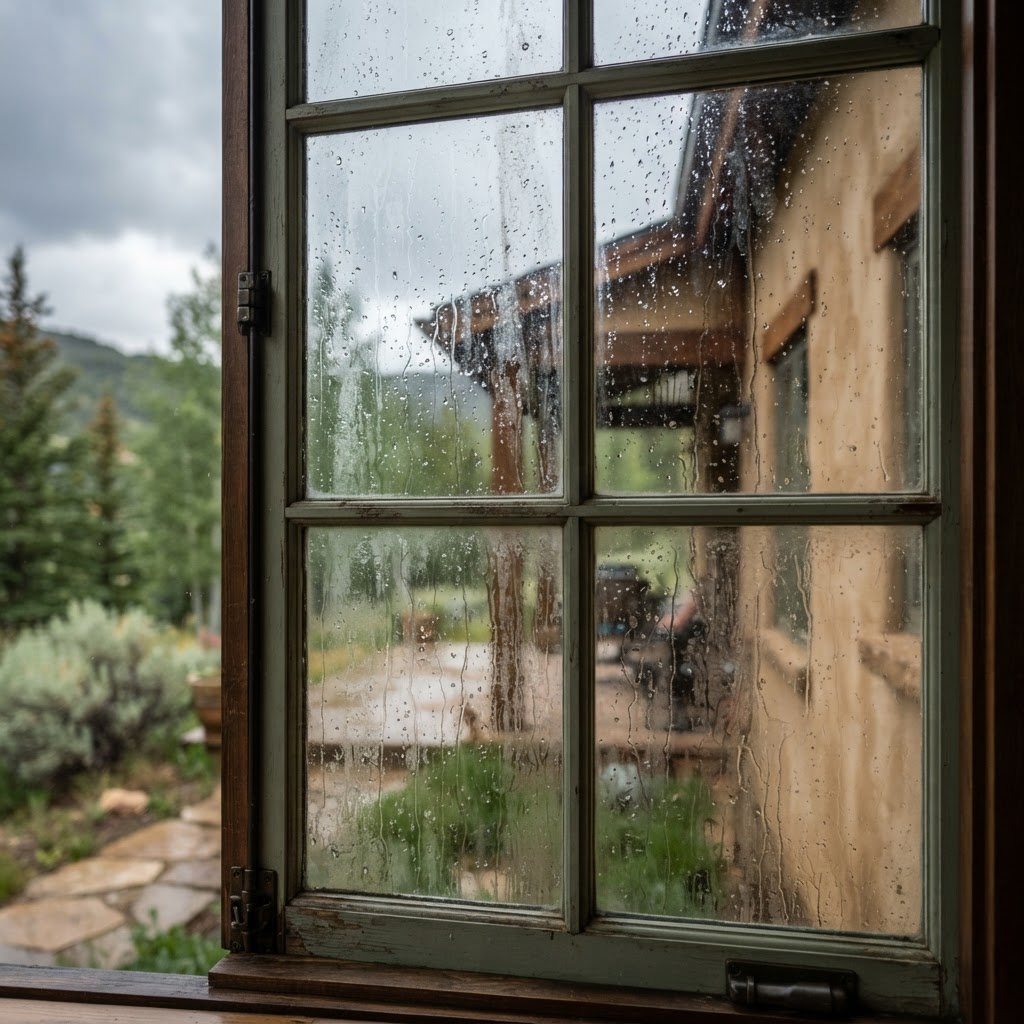
Rain itself isn't the problem. Windows look dirty after rain because rain mixes with pollen, dust, and dirt already on the glass.

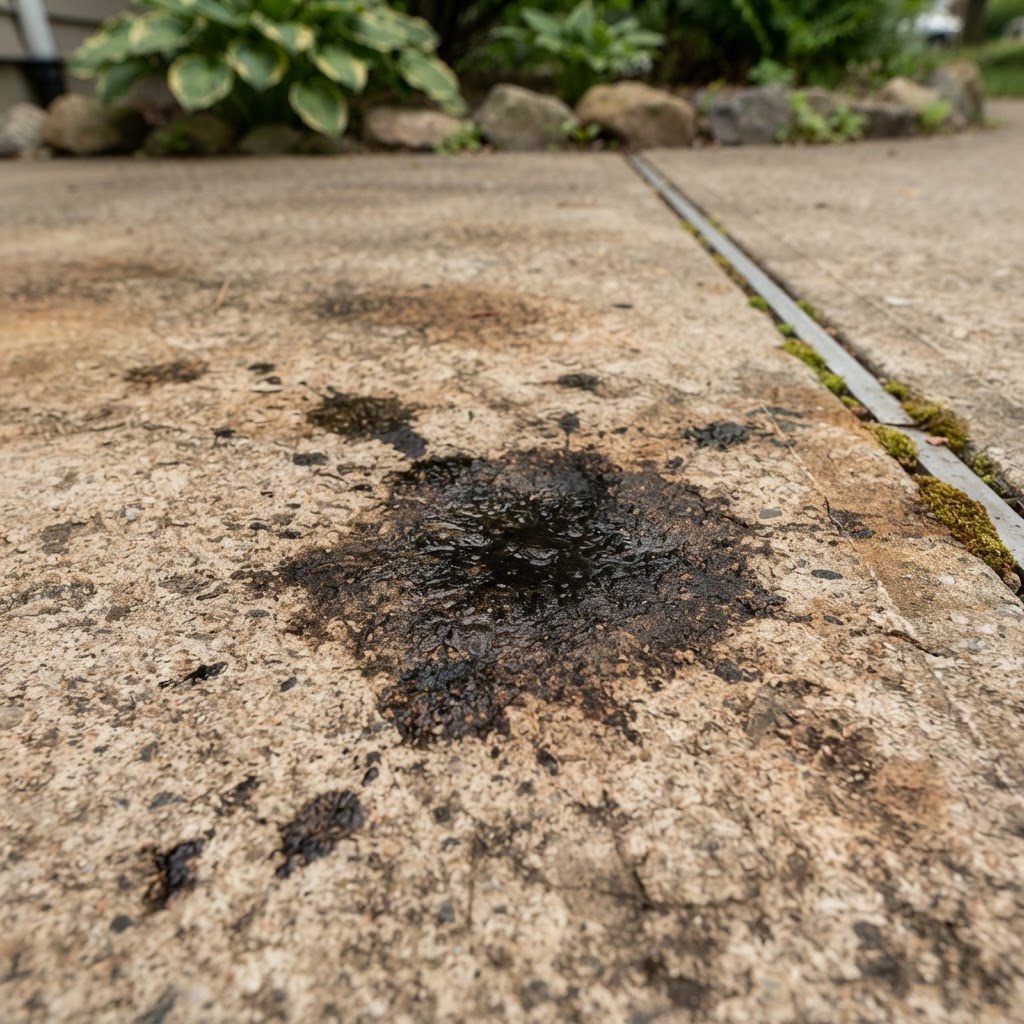
Concrete cleaning can greatly improve many oil stains, but complete removal isn't always possible. Fresh stains respond much better than old ones.

Professional window cleaning removes dirt, pollen, hard water spots, and environmental buildup, improving natural light and curb appeal.

In many cases, yes. Cleaning removes contaminants and prepares the concrete for sealer, which reduces staining and slows moisture penetration.

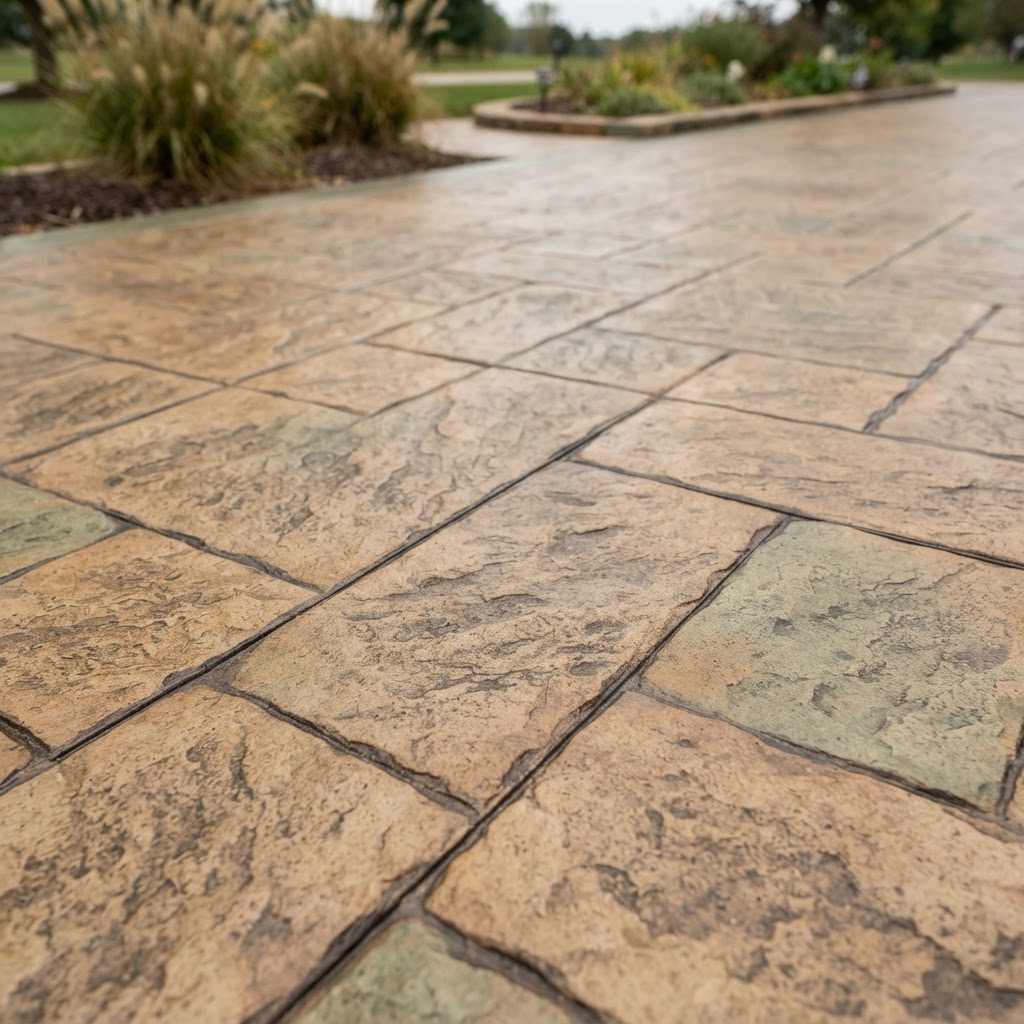
Yes. Stamped and decorative concrete can be cleaned safely using methods that protect the finish while removing dirt and organic buildup.

Absolutely. Clean concrete instantly brightens your home's appearance and creates a well-maintained first impression.

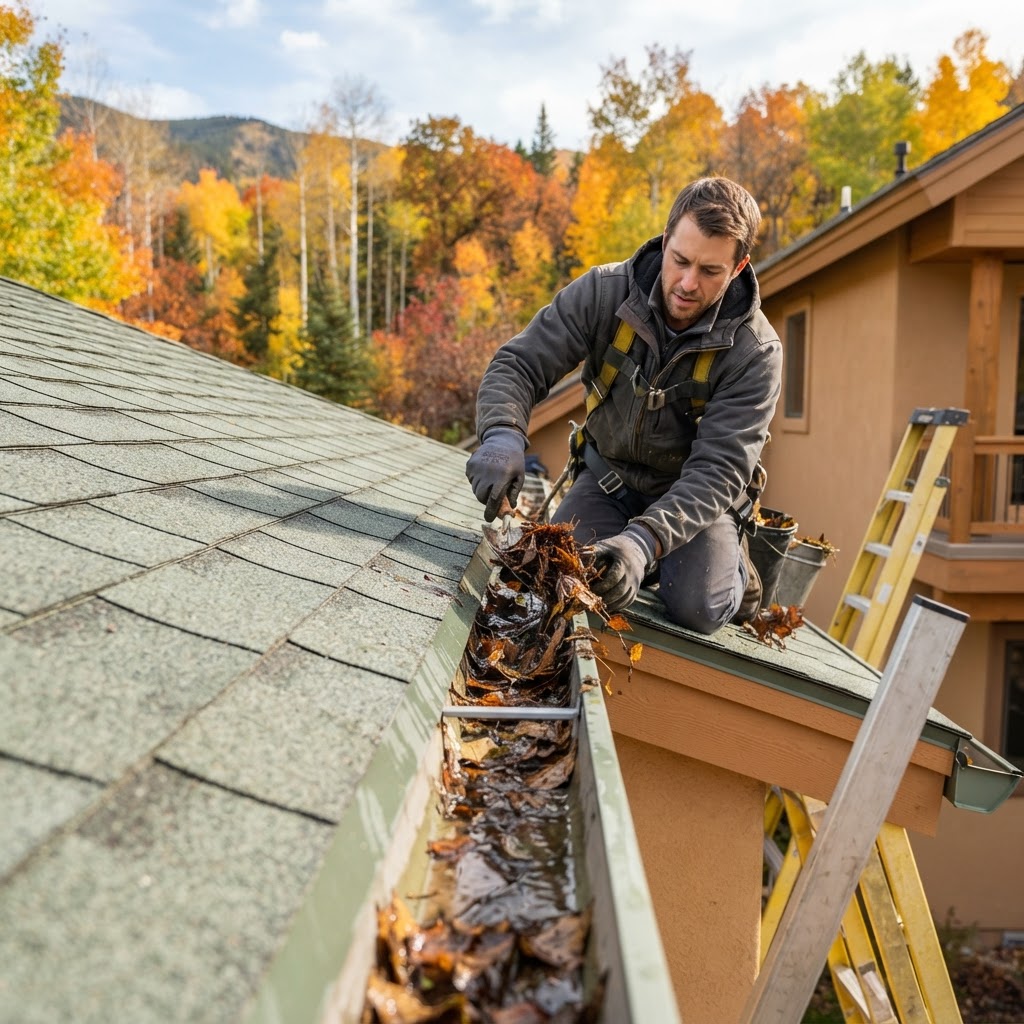
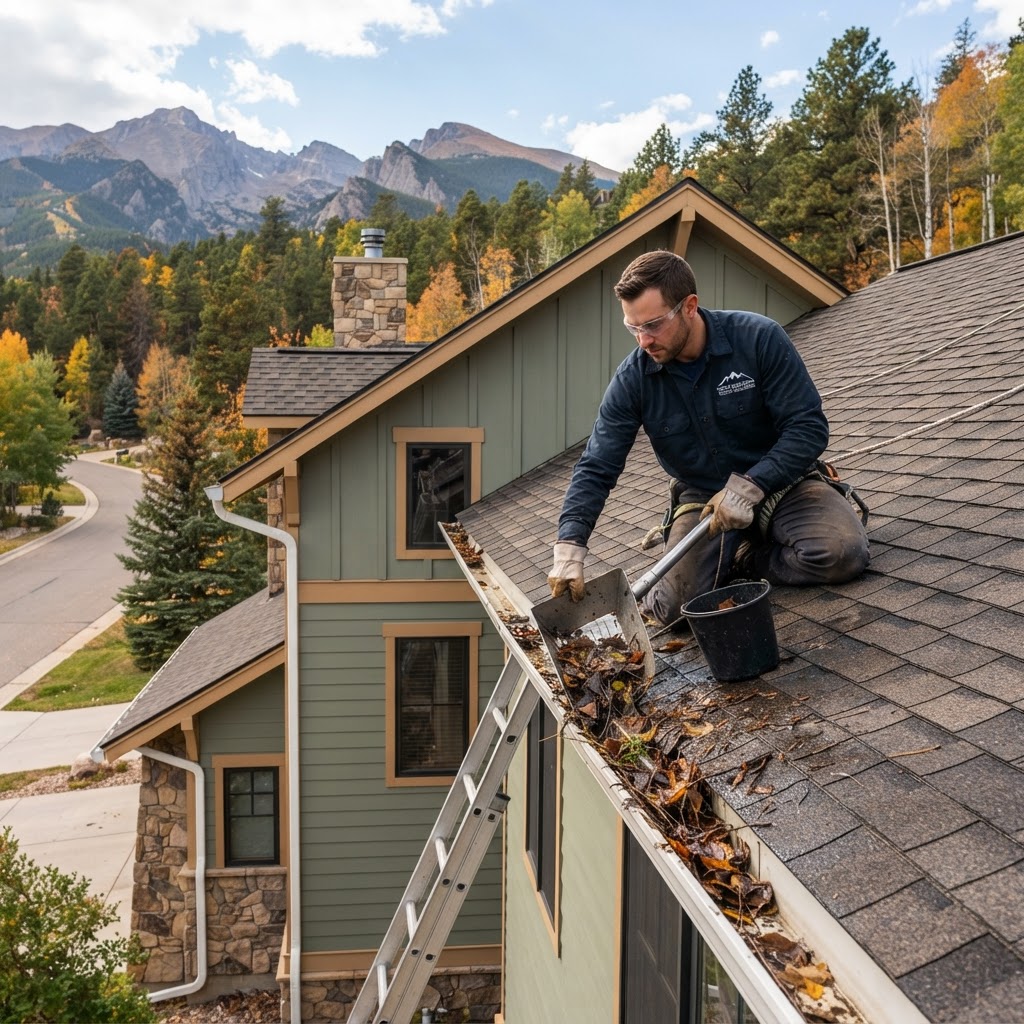
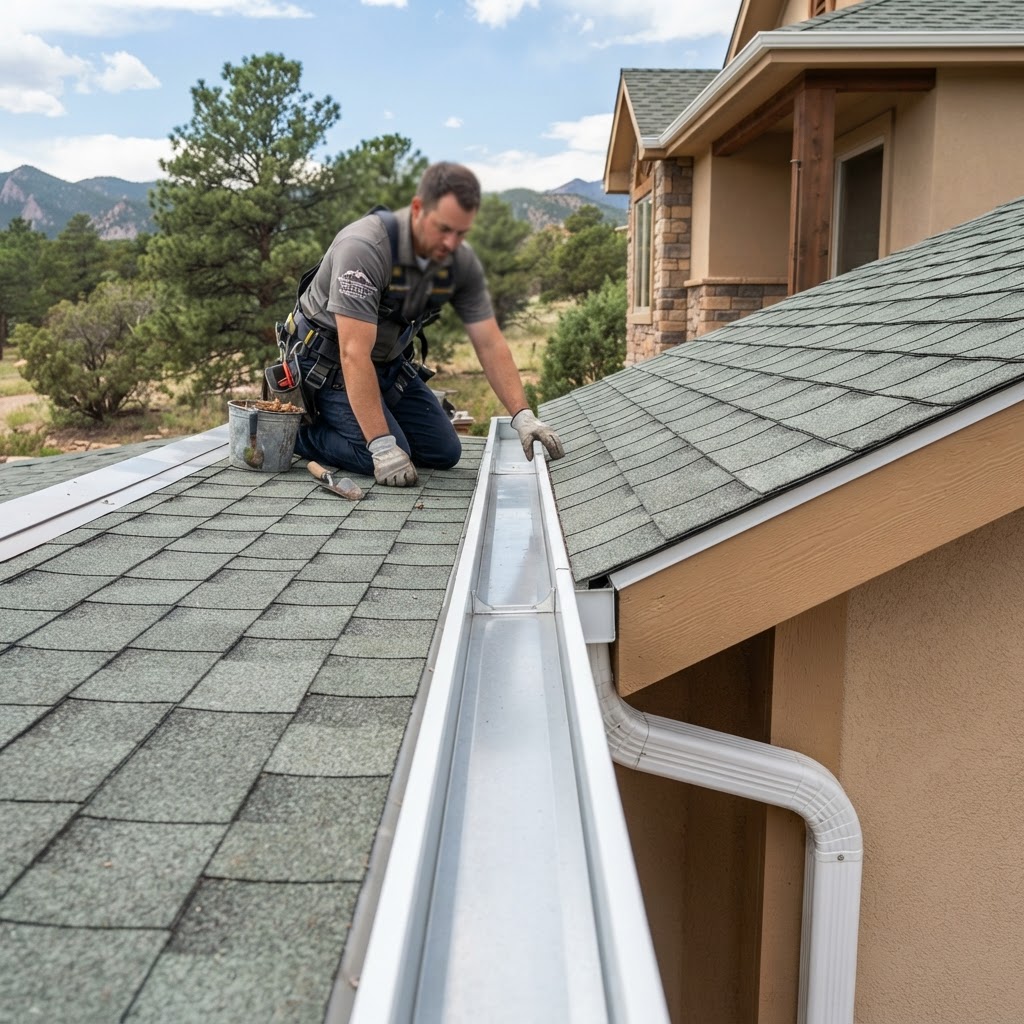
Spring and fall are the most common times for gutter maintenance. Spring removes winter debris; fall removes leaves before freezing.

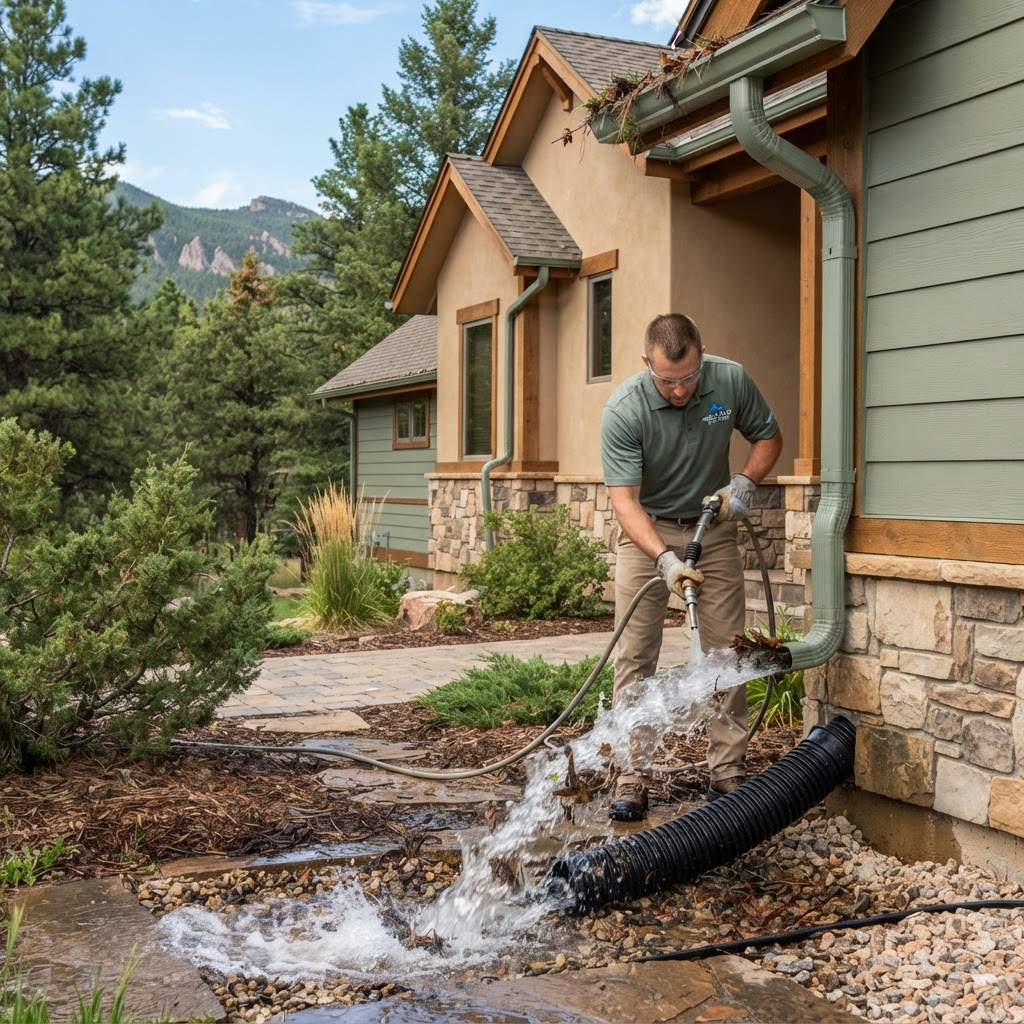
Yes. A complete gutter cleaning should include checking and flushing downspouts to ensure water flows freely from roof to ground.

Most residential gutter cleaning projects take between one and three hours, depending on home size, debris, and roof complexity.

It can be. Most gutter cleaning injuries occur from ladder falls. Professional cleaning helps eliminate these hazards.

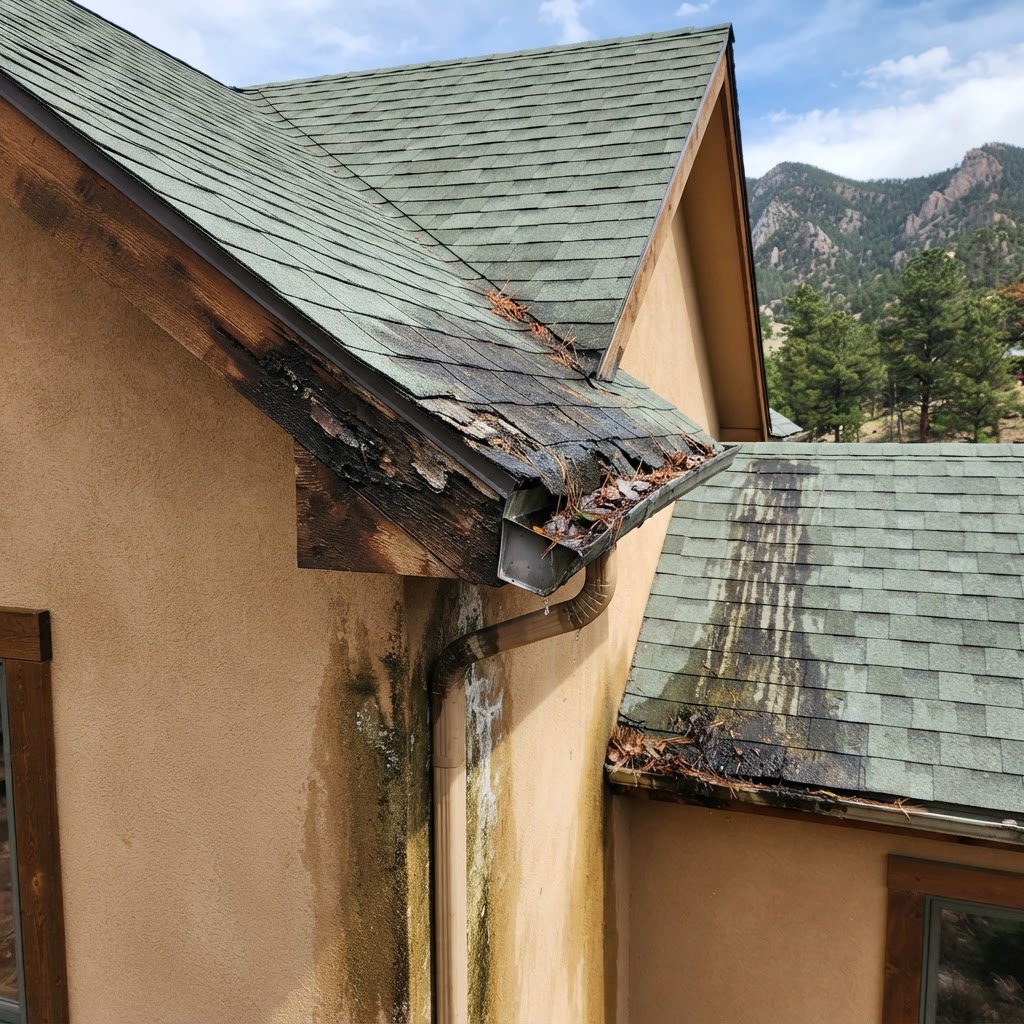
Yes. When water backs up from clogged gutters, it can cause wood rot, fascia damage, and other moisture-related roof issues.

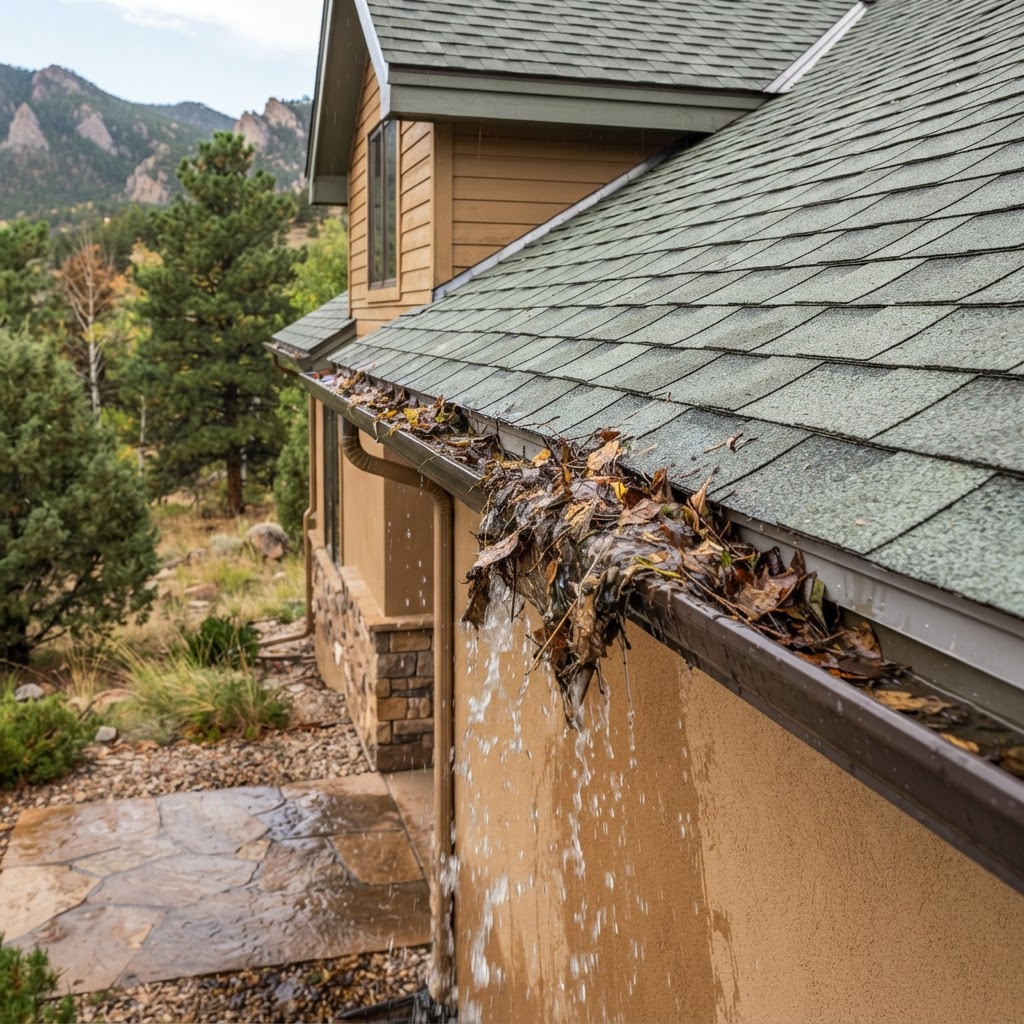
Overflowing gutters are usually caused by clogs, blocked downspouts, or gutters that can't move water efficiently during heavy rainfall.

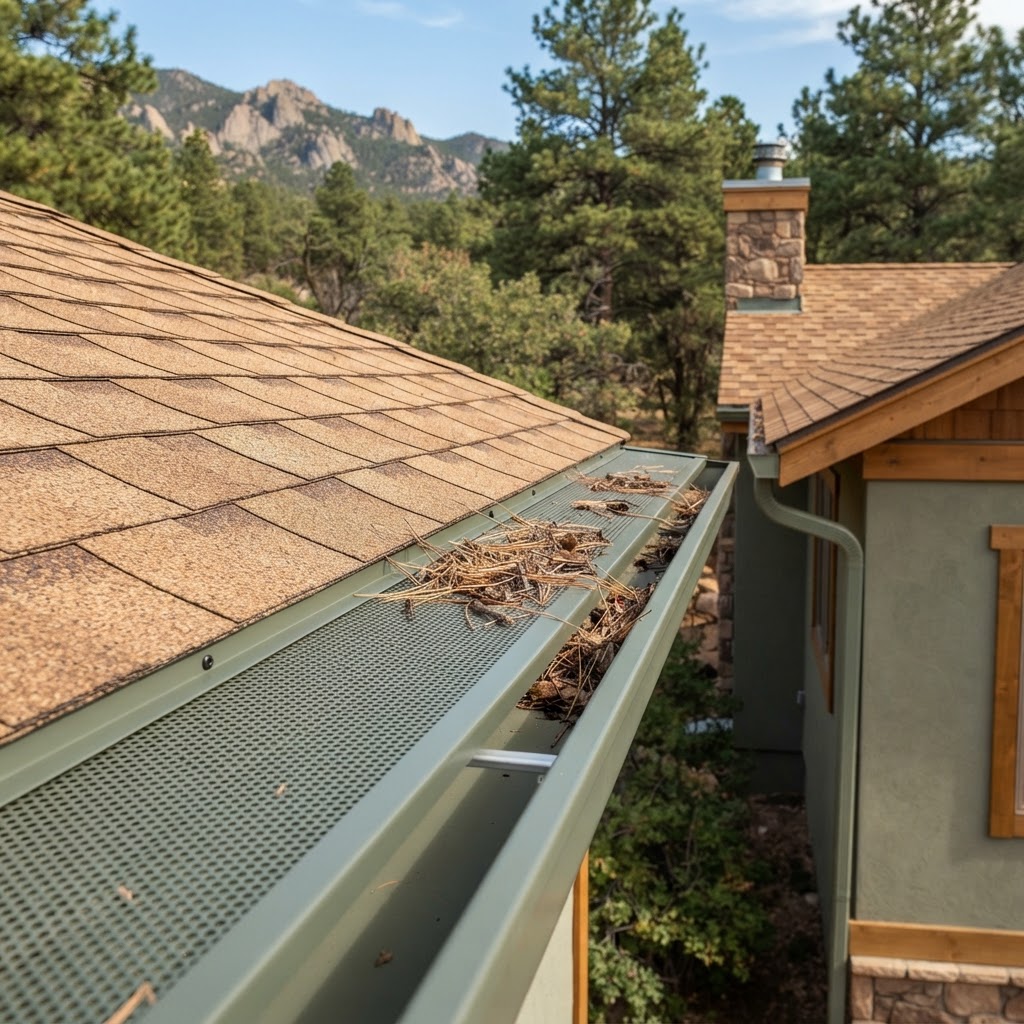
No. Gutter guards reduce large debris but don't eliminate maintenance. Pine needles, roof grit, and small debris still accumulate over time.

Pressure washing improves curb appeal and helps your home look clean, cared for, and well maintained for potential buyers.

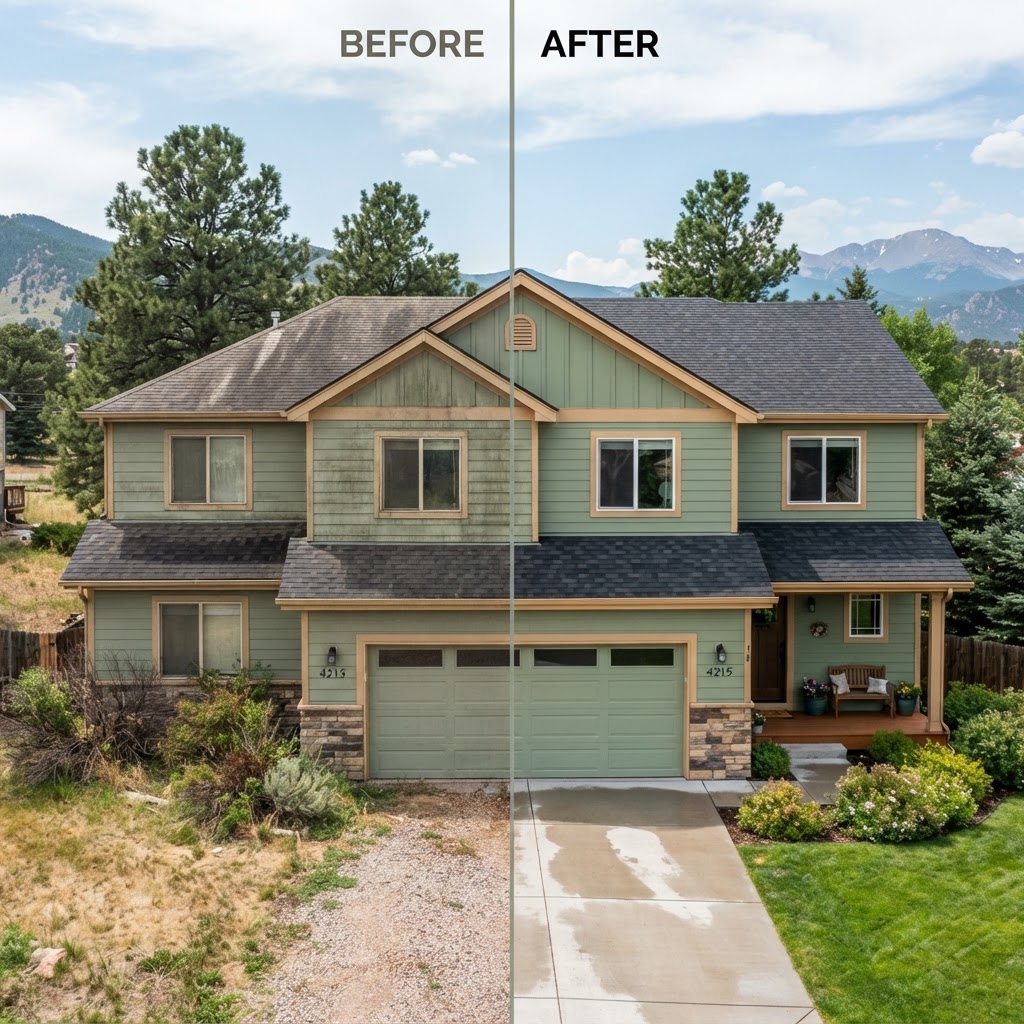
House washing can significantly improve curb appeal and help your home appear well cared for, creating a stronger first impression.

Spring through fall are generally the best times for house washing in Colorado, when temperatures allow surfaces to dry properly.

In most cases, yes. House washing is highly effective at removing mildew, algae, and organic stains, though some oxidation or aging may remain.

Results vary by environment, but most homes remain clean for one to three years depending on tree coverage, shade, and humidity.

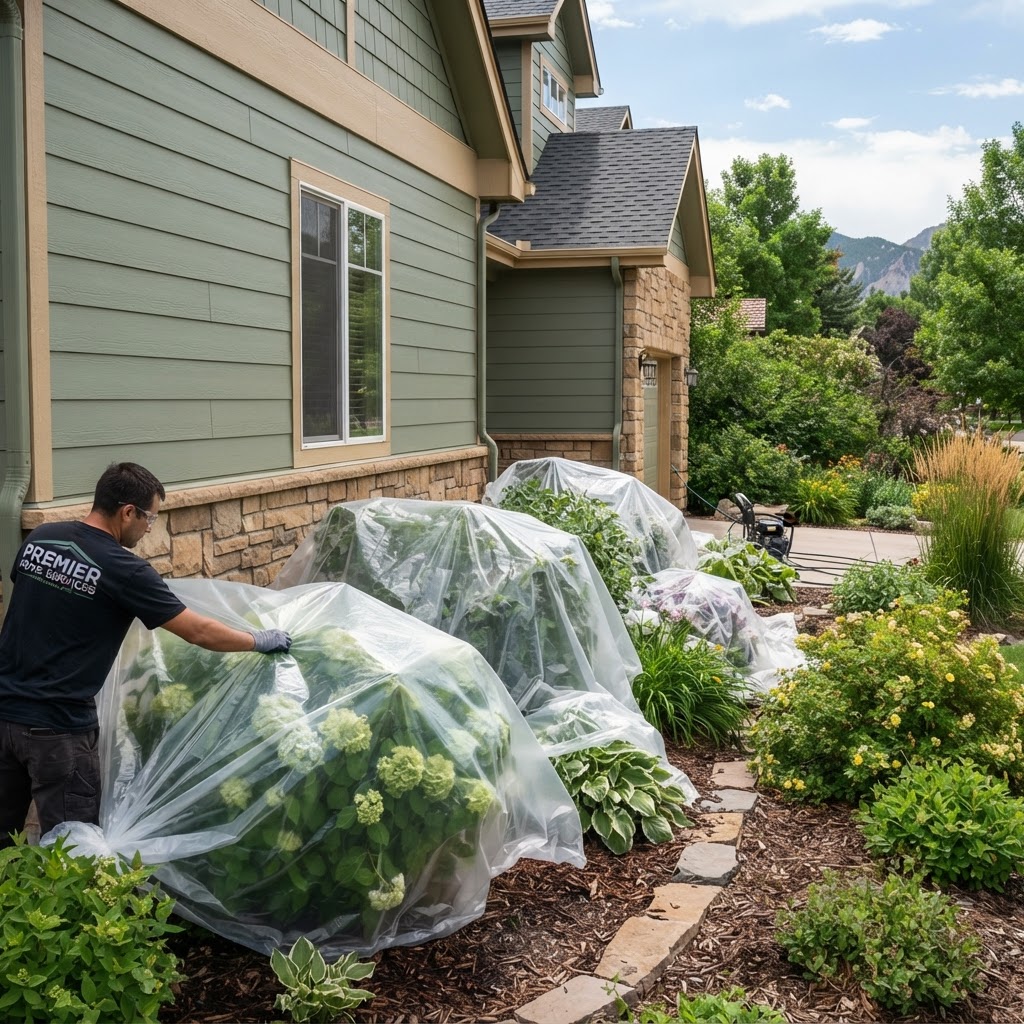
When proper precautions are taken, house washing is safe for landscaping. Professionals pre-wet and rinse plants to protect vegetation.

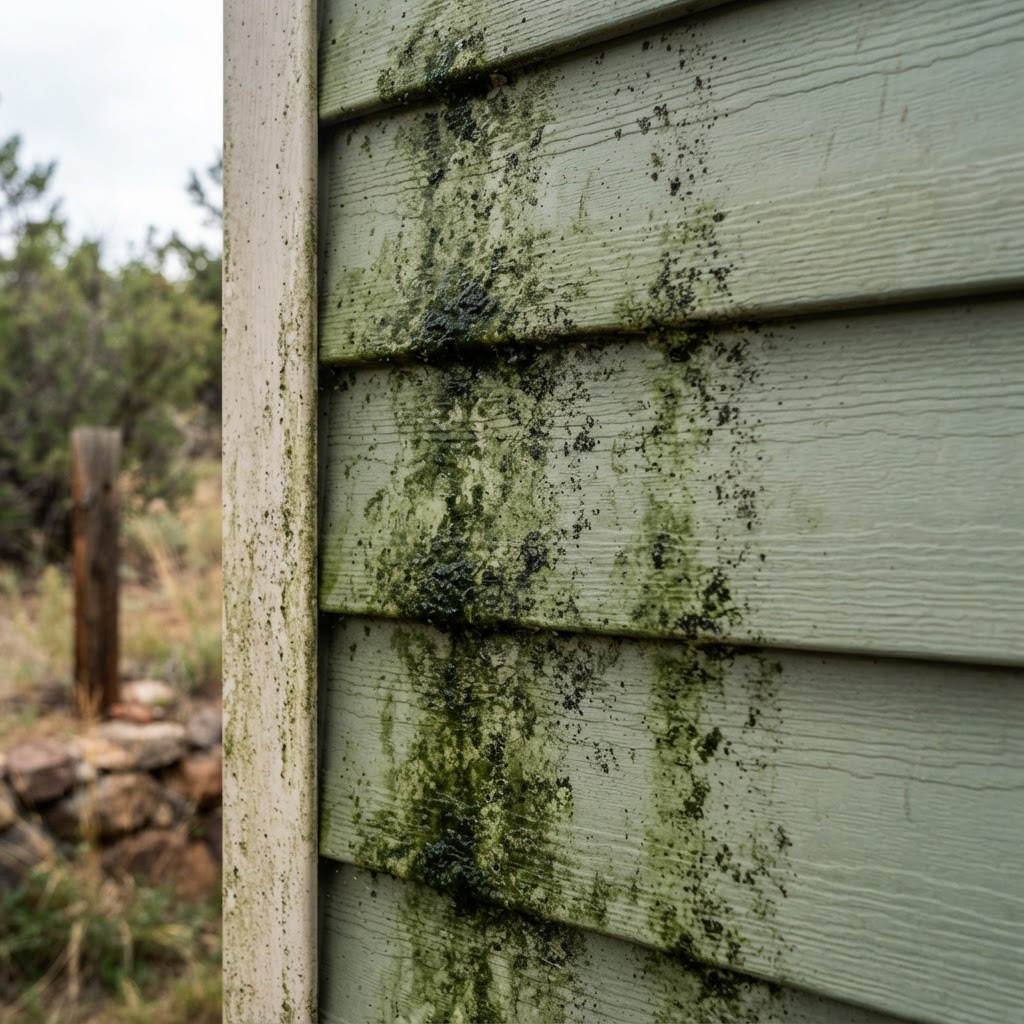
Green staining is almost always algae growing on your home's exterior, thriving in damp, shaded areas with less sunlight.

Most Colorado homes benefit from house washing every 12–24 months. Homes with heavy shade or tree coverage may need more frequent cleaning.

Yes—when performed correctly. Professional house washing is designed to clean siding safely using the right method for each material.

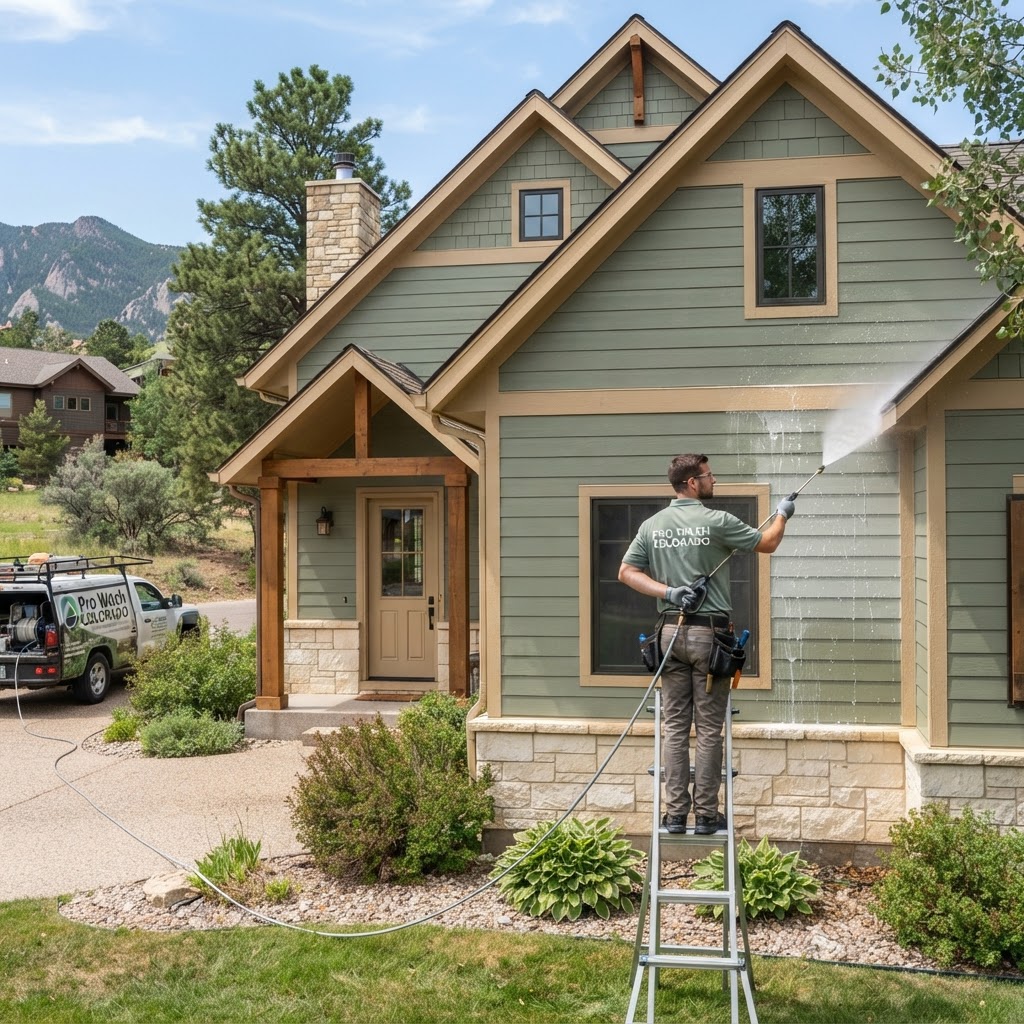
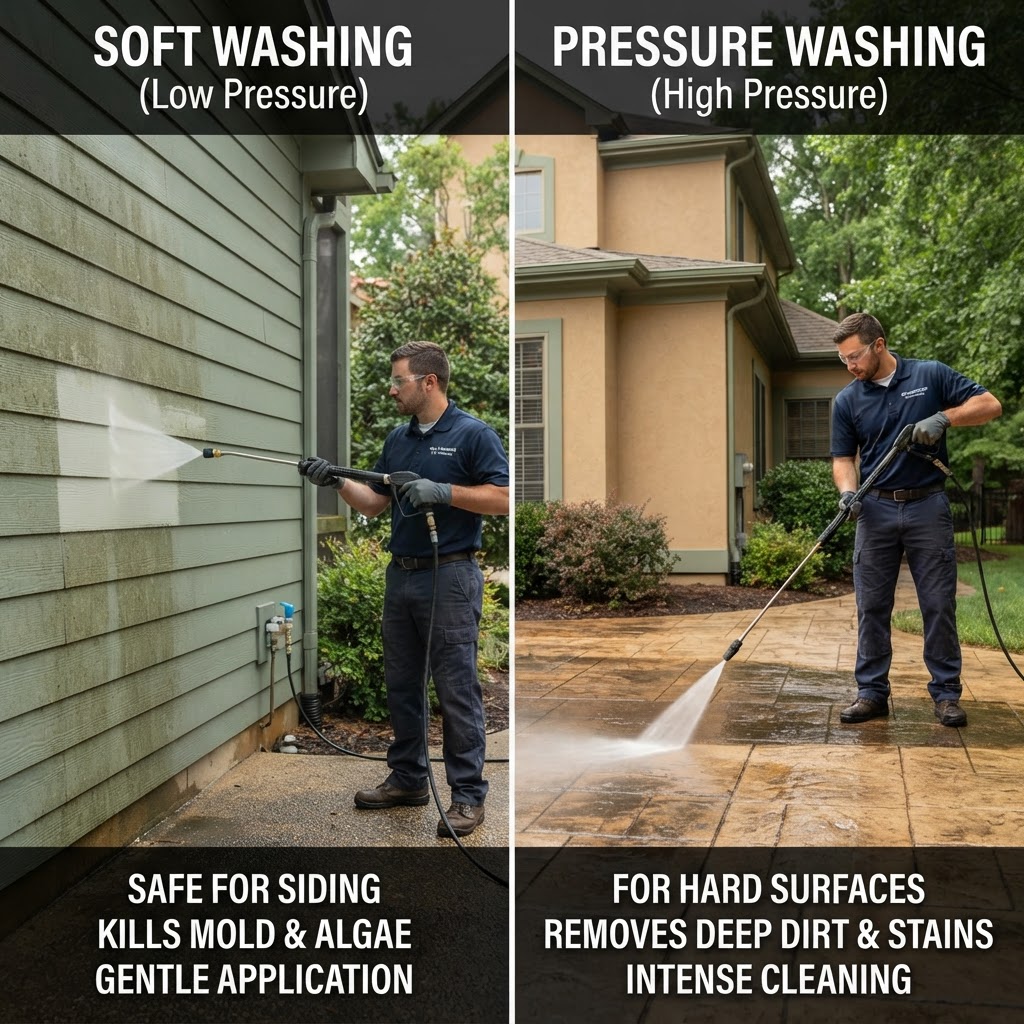
No. Pressure washing uses high pressure for hard surfaces, while house washing uses low pressure and cleaning solutions to safely clean siding without damage.

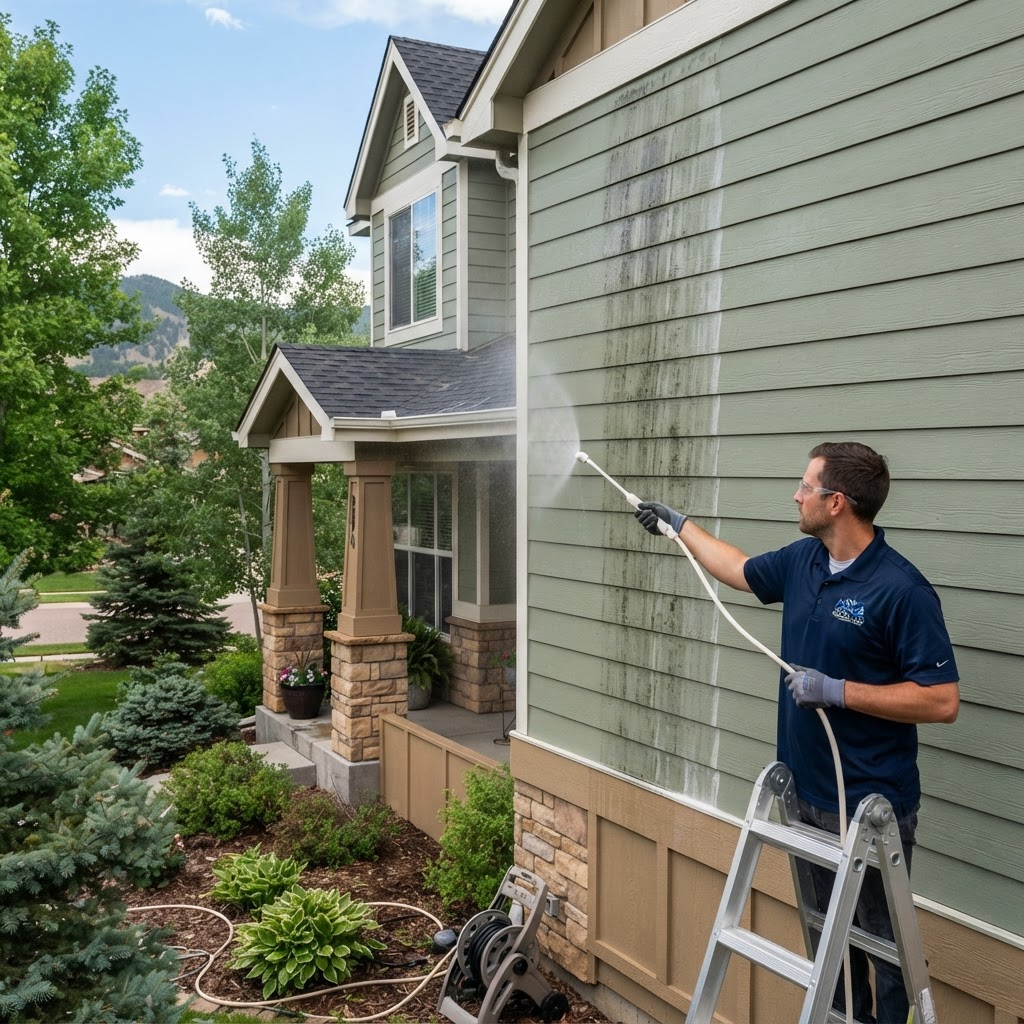
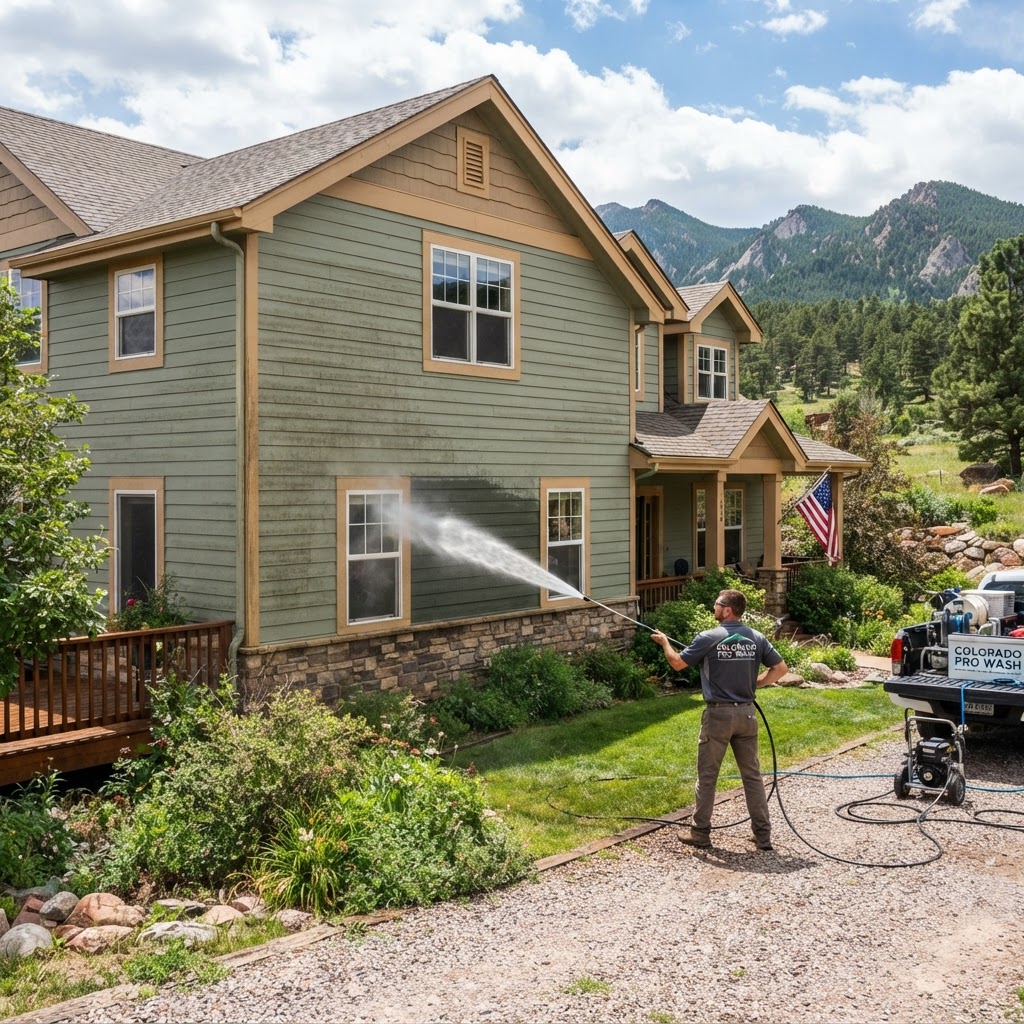
House washing cleans your home's exterior using a low-pressure soft washing system to remove dirt, algae, mold, and mildew without damaging siding.

Many homeowners DIY pressure washing, but professional equipment and techniques often produce better, more consistent results.

Most professional window cleaning services in Colorado range from $150–$500+. Learn what factors influence the cost and see real-world pricing examples.

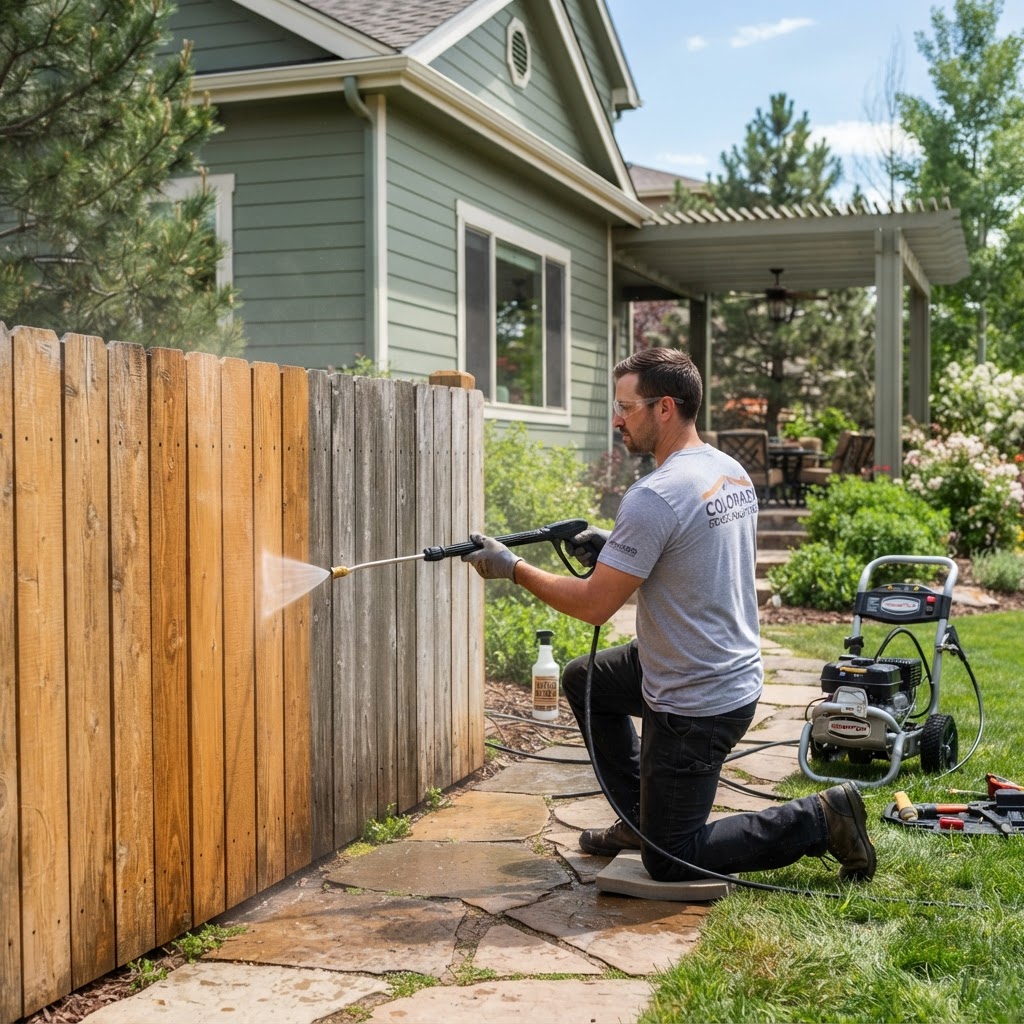
Spring through fall are generally the best times to pressure wash exterior surfaces in Colorado.

Sometimes. Surface rust can be improved with specialized rust removal products, but standard pressure washing alone is usually not enough.

Most homeowners benefit from pressure washing concrete every one to two years. Shaded areas may need more frequent cleaning.

Pressure washing can improve many oil stains, but complete removal isn't always possible. Fresh stains respond much better than old ones.

Black staining on driveways is usually caused by algae, mold, mildew, embedded dirt, and years of accumulated organic buildup.

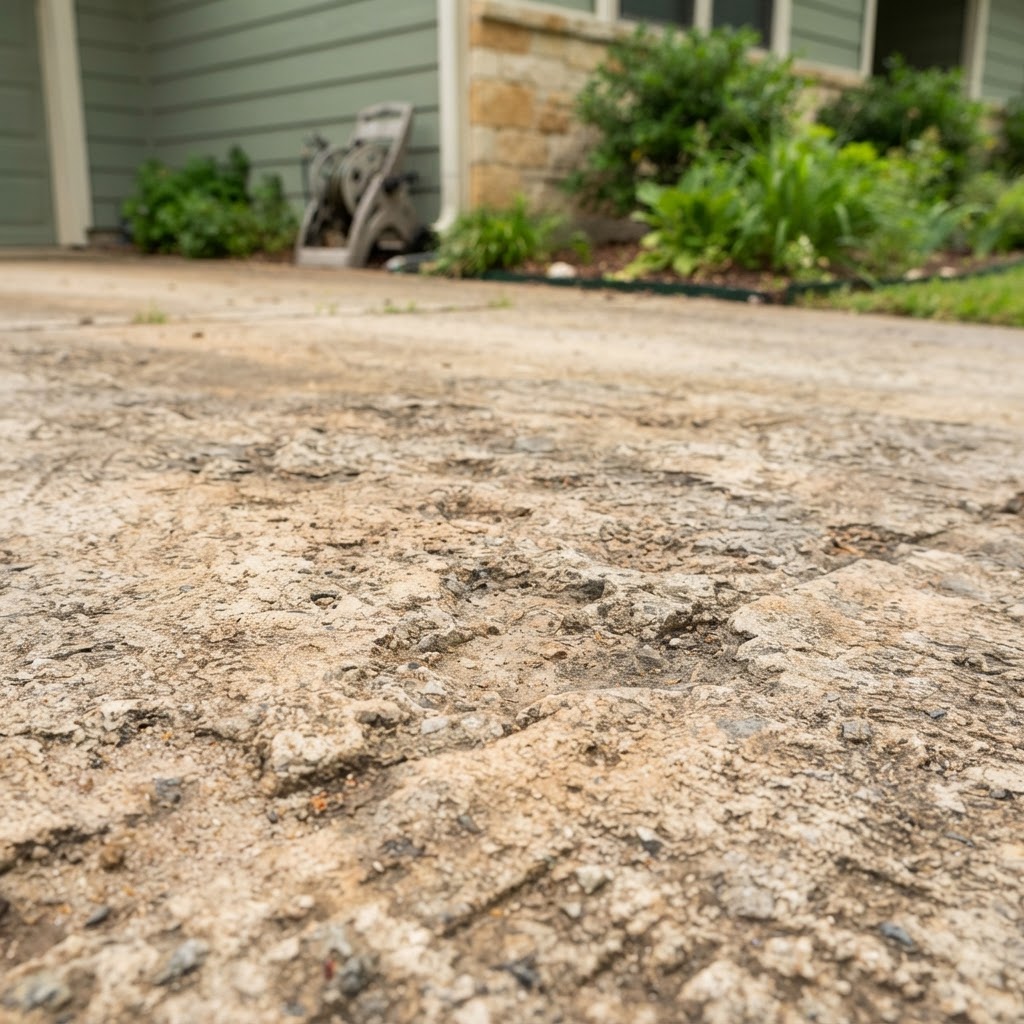
Yes, when performed incorrectly. Excessive pressure or wrong nozzles can leave permanent lines, gouges, or surface damage on concrete.

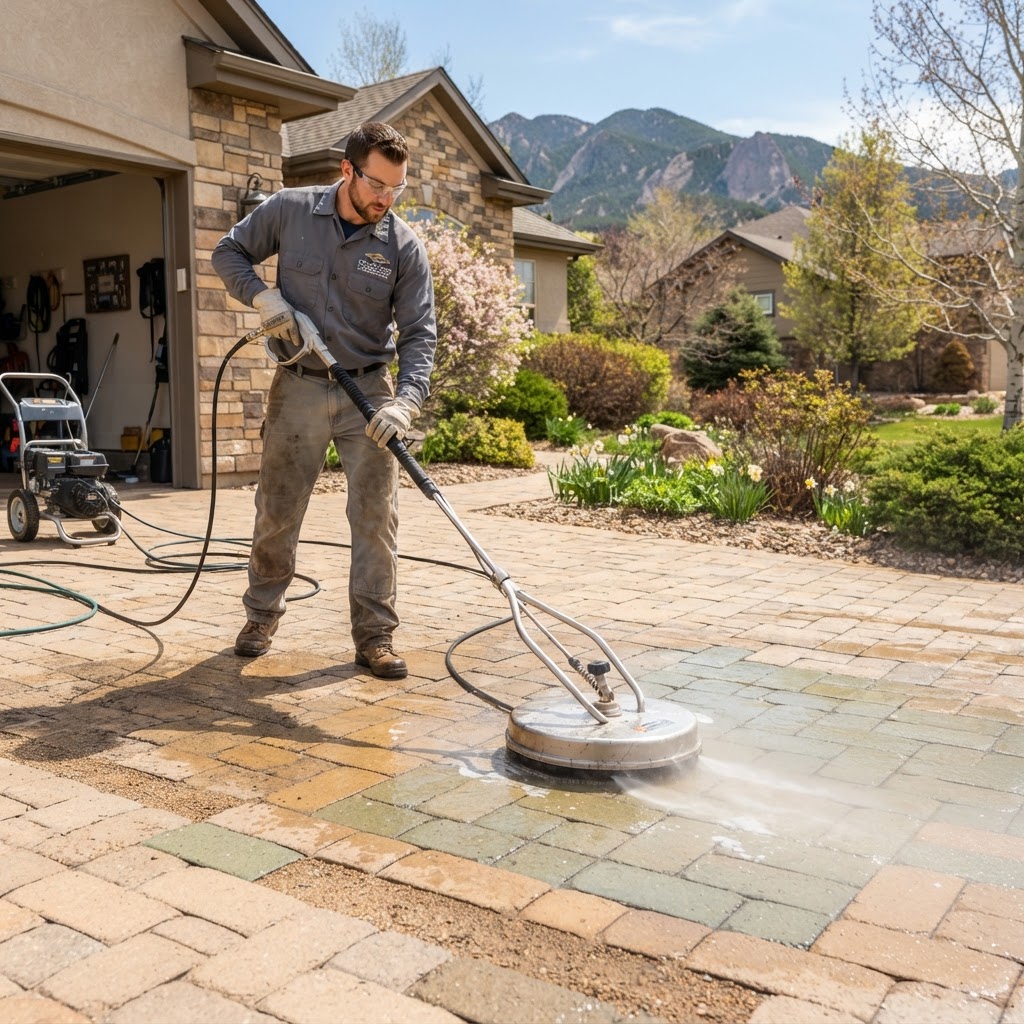
Pressure washing is ideal for concrete driveways, sidewalks, patios, retaining walls, pool decks, pavers, and some masonry surfaces.

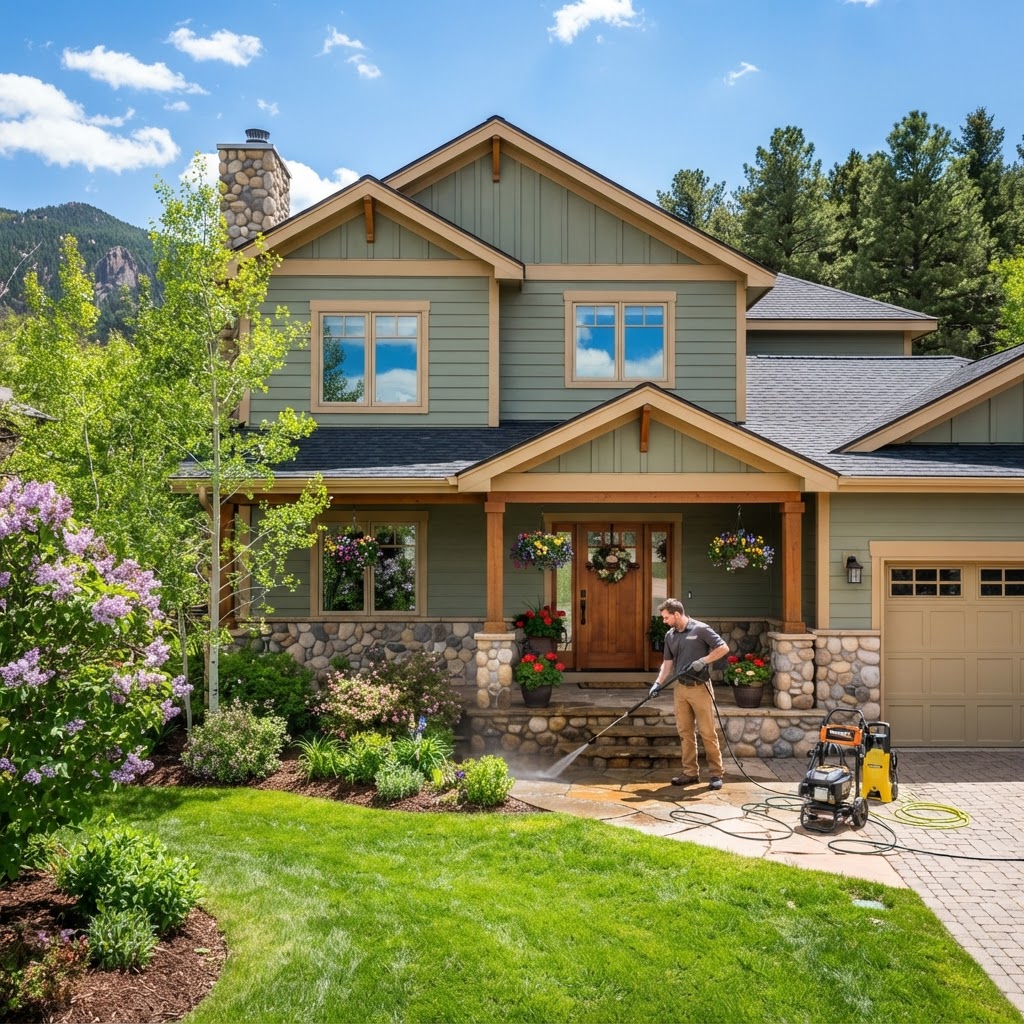
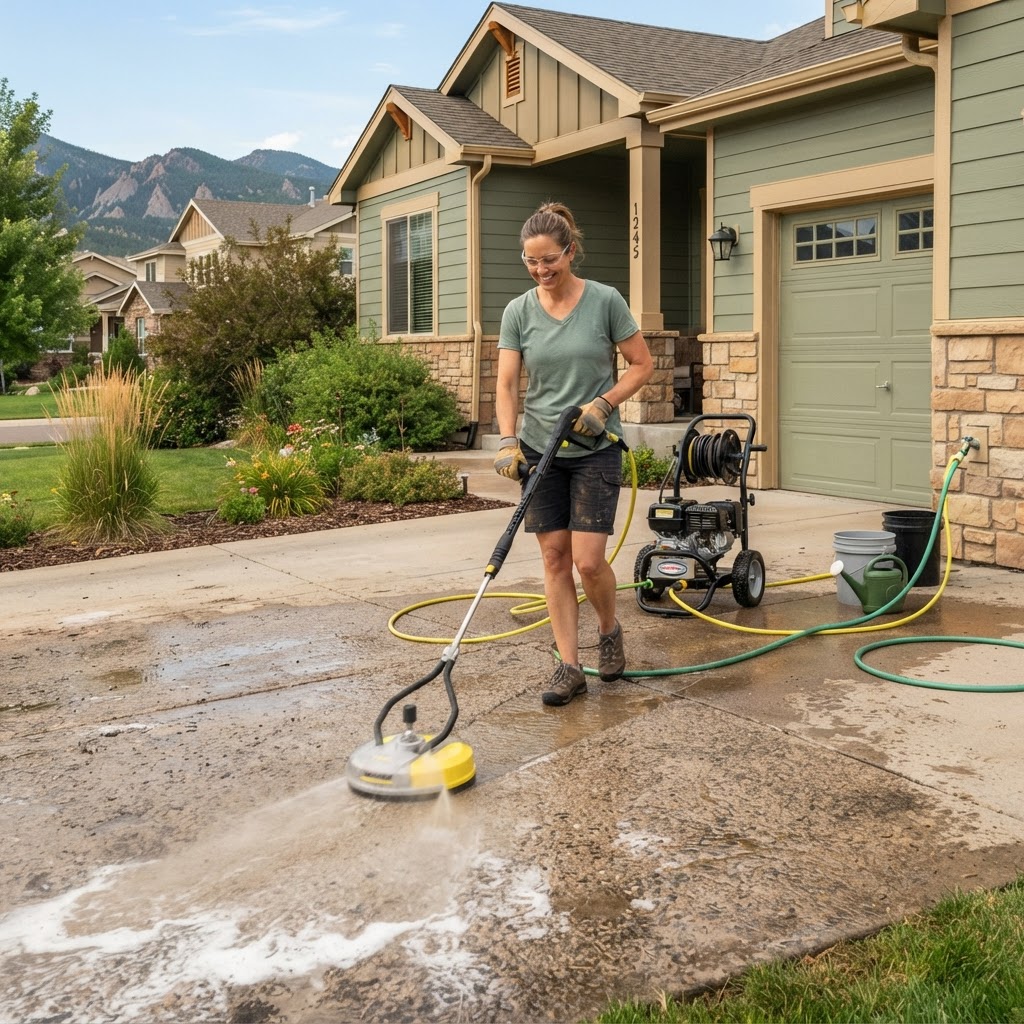
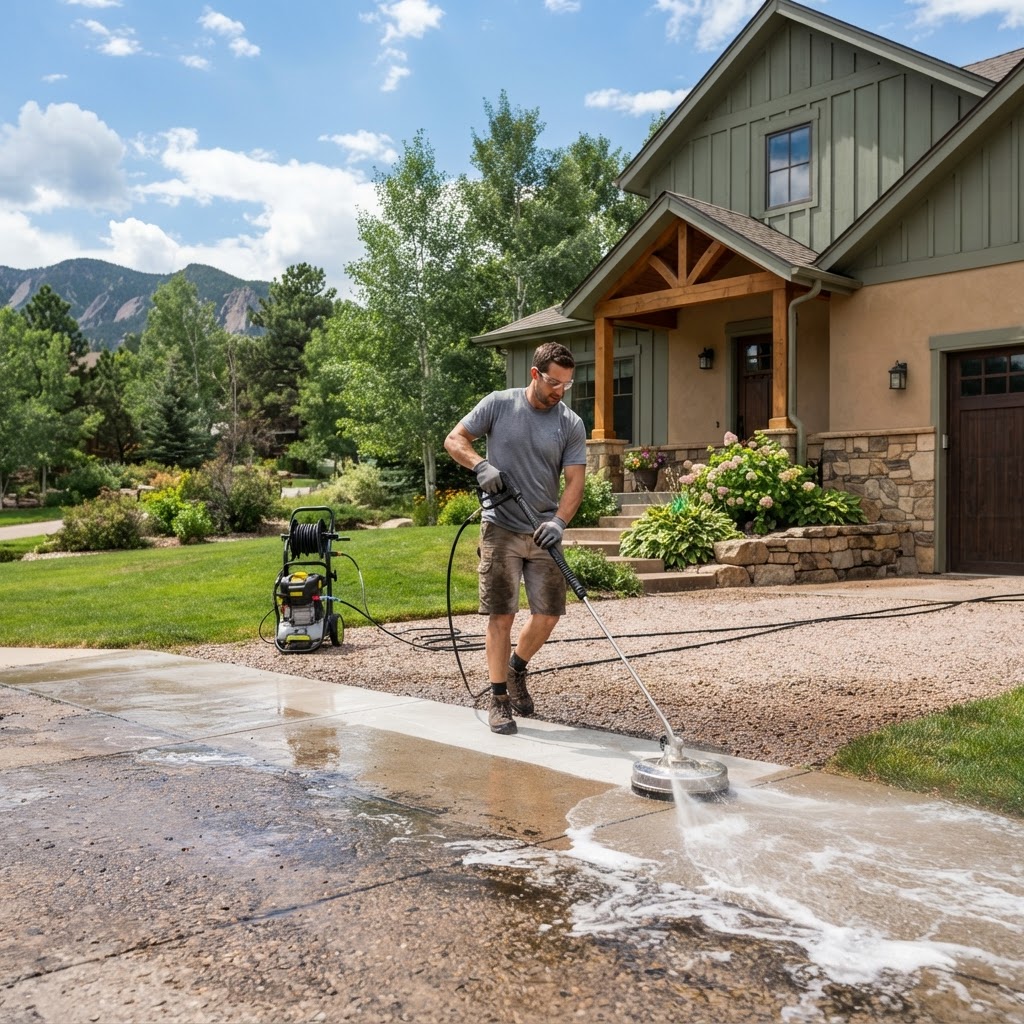
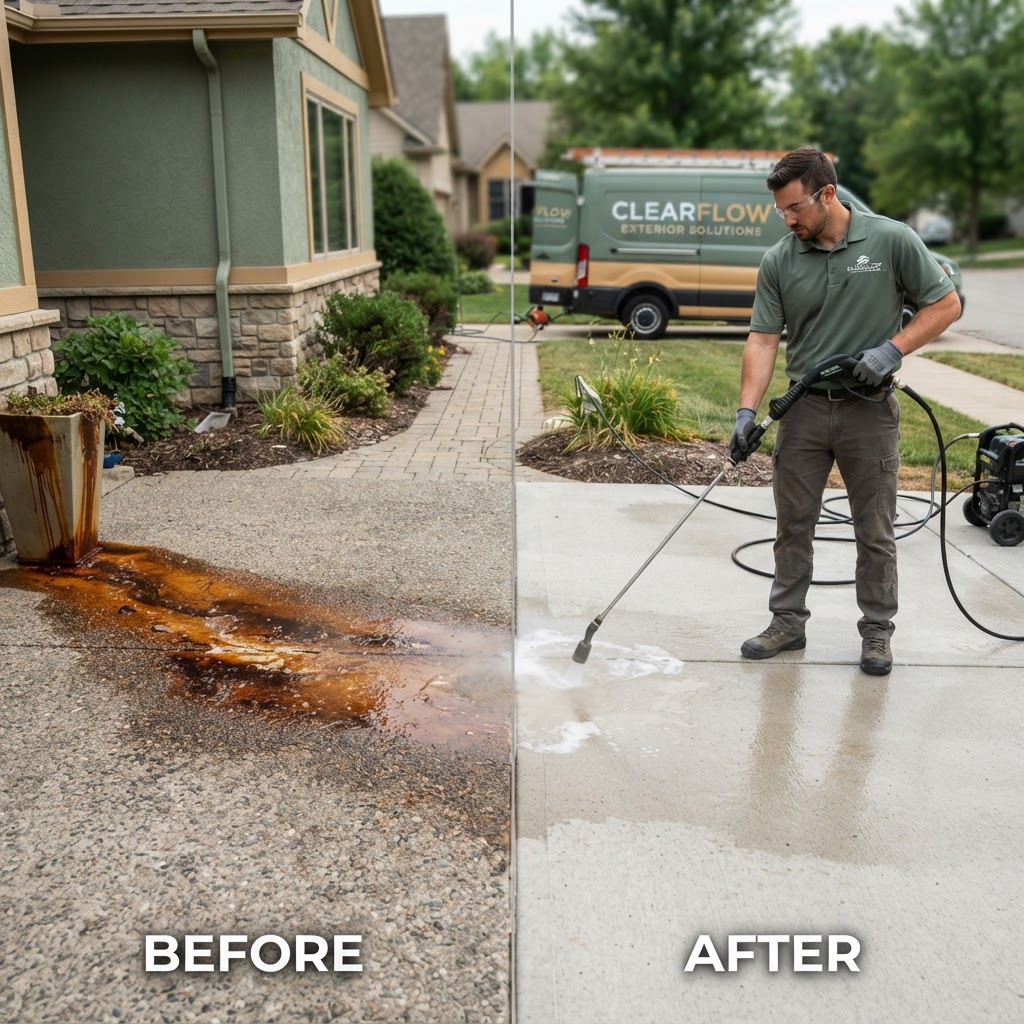
Pressure washing uses high-pressure water to remove dirt, grime, algae, and oil stains from durable exterior surfaces like concrete driveways, sidewalks, and patios.

Pressure washing is the method; concrete cleaning is the service. Professional concrete cleaning includes stain treatment, surface cleaners, and more.

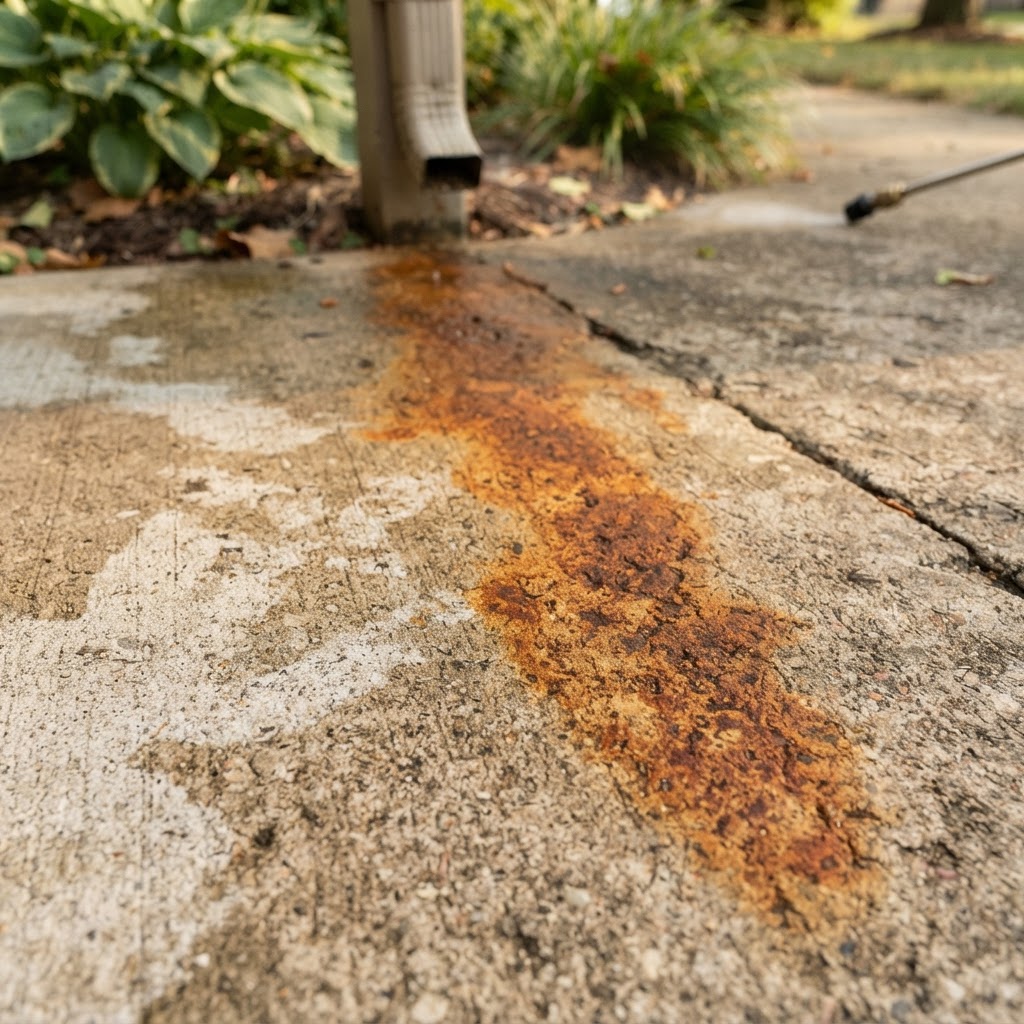
Some rust stains can be improved with specialized rust removal treatments, but standard pressure washing alone is often not enough.

Yes, if done incorrectly. Excessive pressure, wrong nozzles, or holding the spray too close can permanently etch or scar concrete.

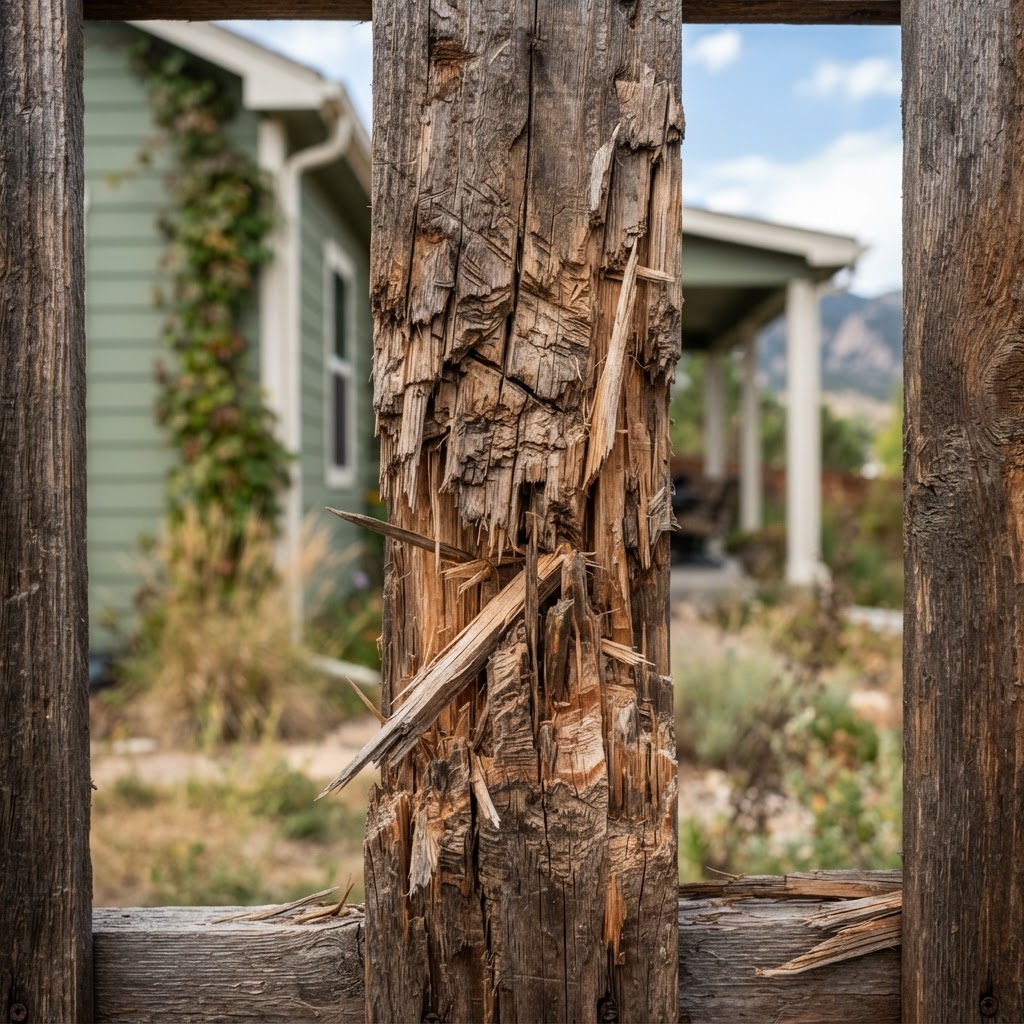
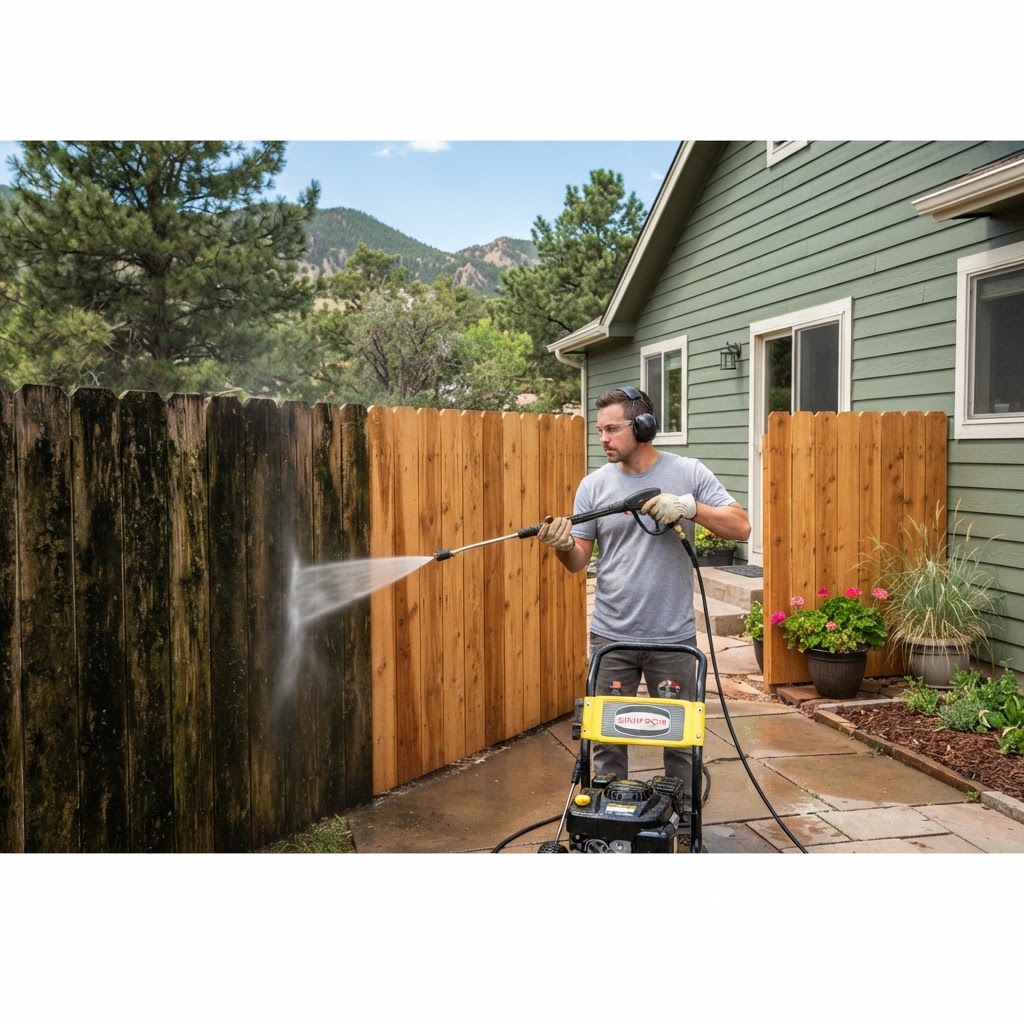
It can. Excessive pressure can leave permanent marks, raise the wood grain, or damage softer wood fibers on your fence.

Many oil stains can be improved, especially if treated early. Older, deep stains may not disappear completely.

Most quality sealers maintain safe traction when properly applied. Finish varies from natural matte to color-enhancing.

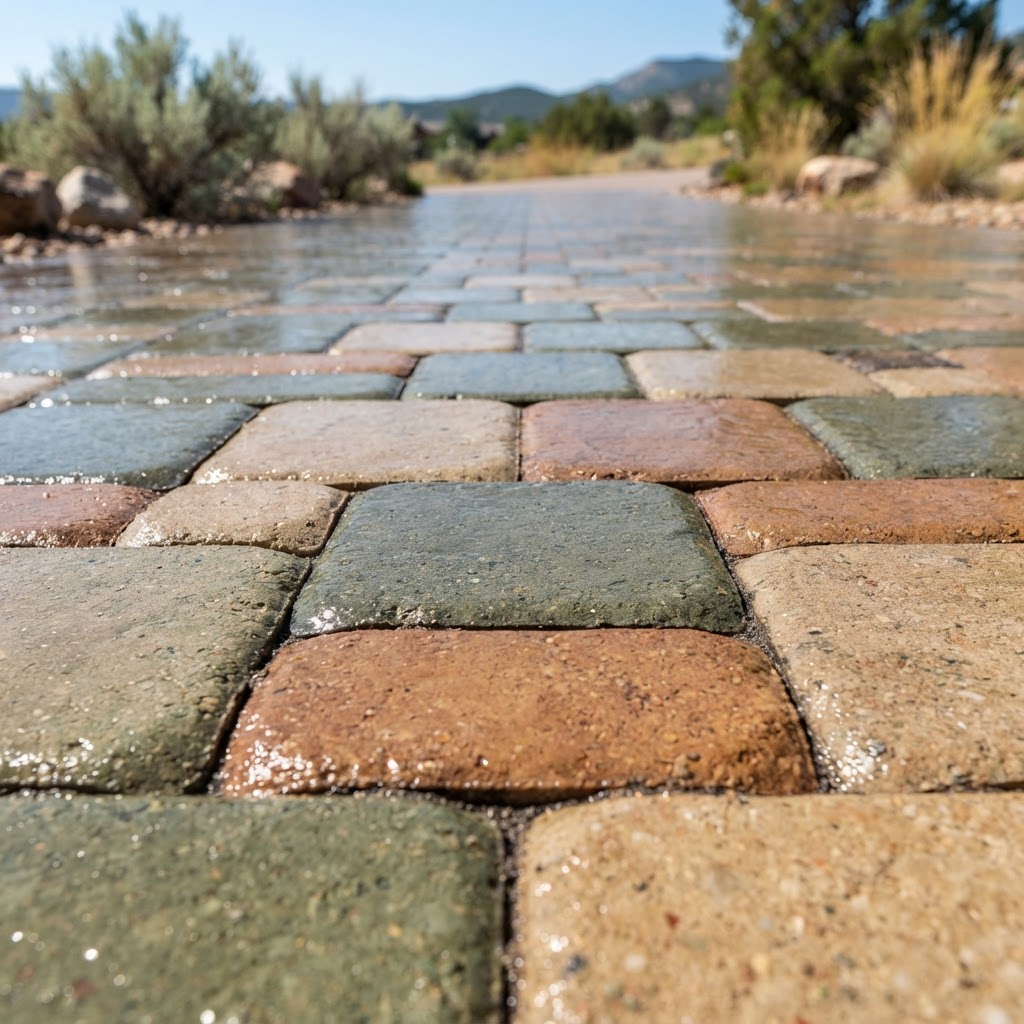
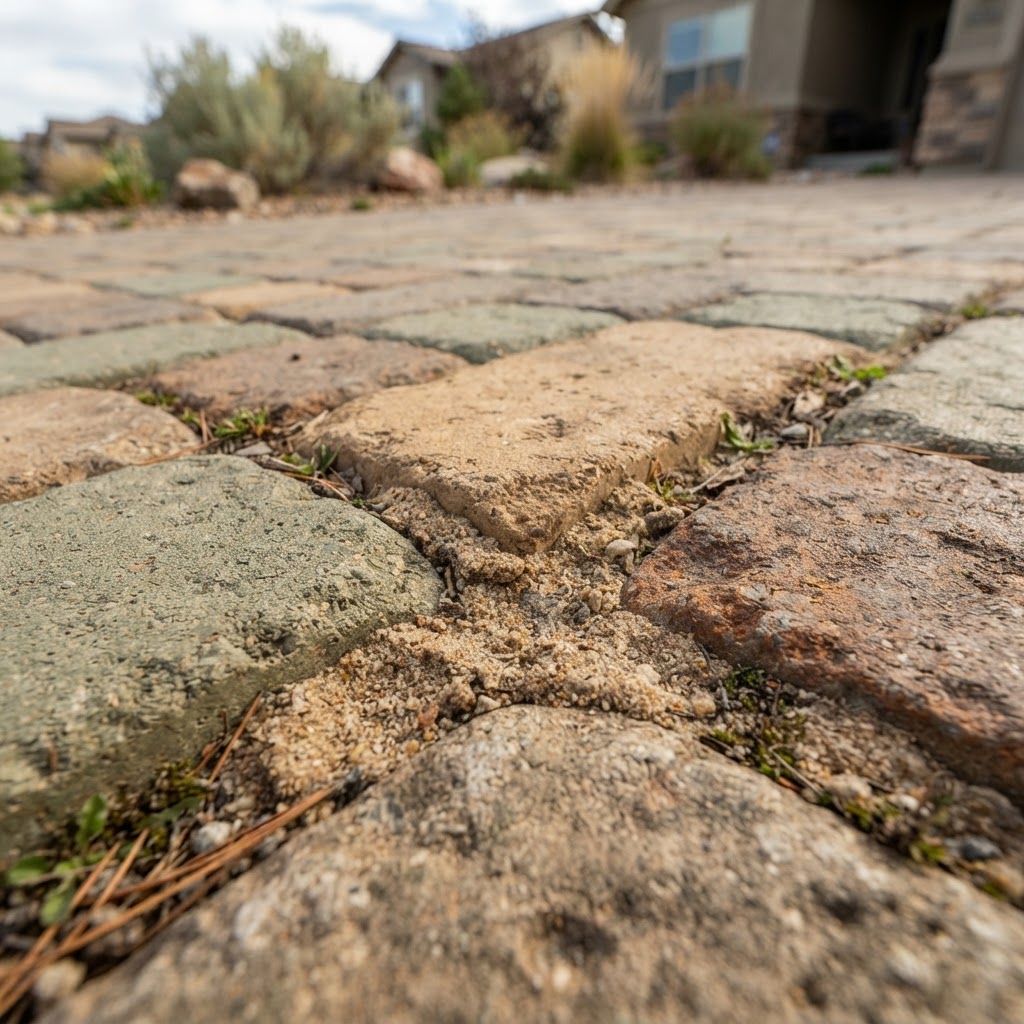
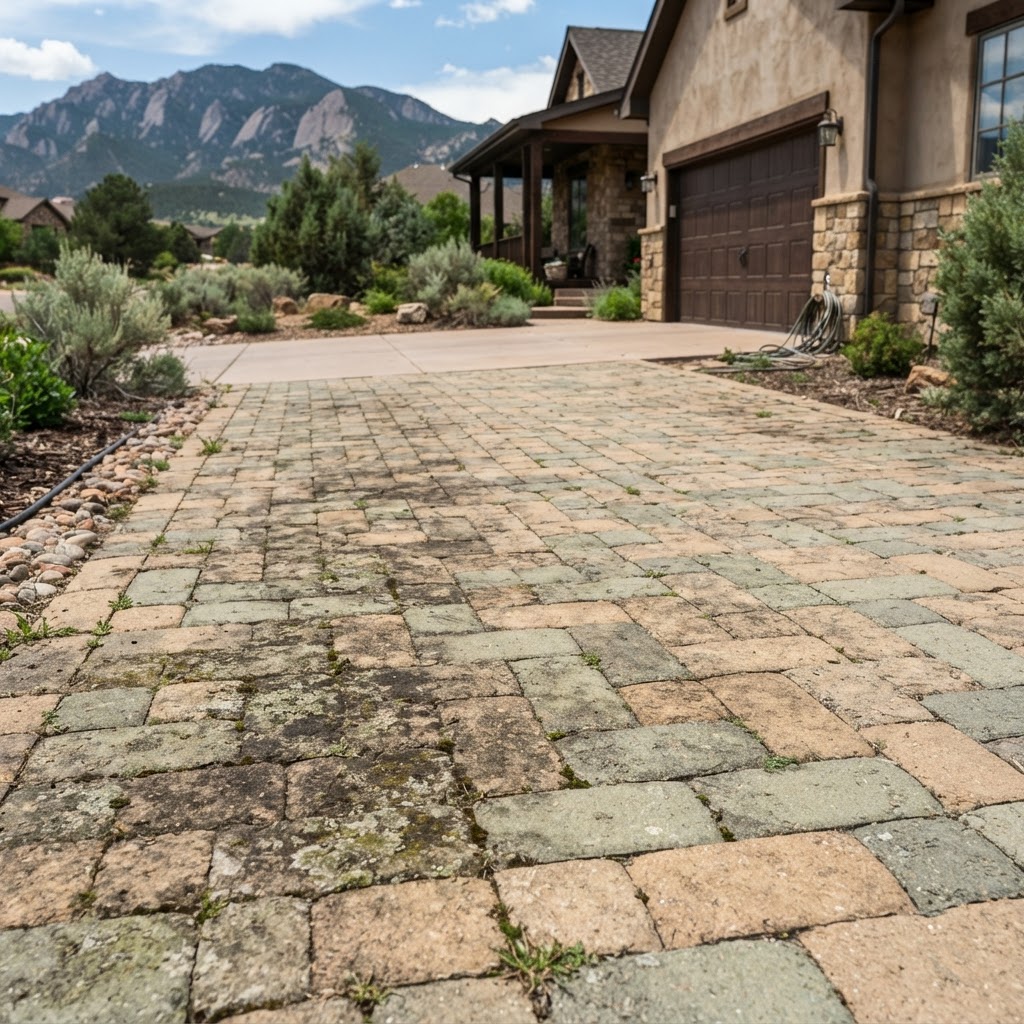
Without sealer, pavers are vulnerable to fading, stains, weed growth, moisture intrusion, and joint sand erosion.

Most pavers should be resealed every three to five years, depending on traffic, weather exposure, and sealer type.

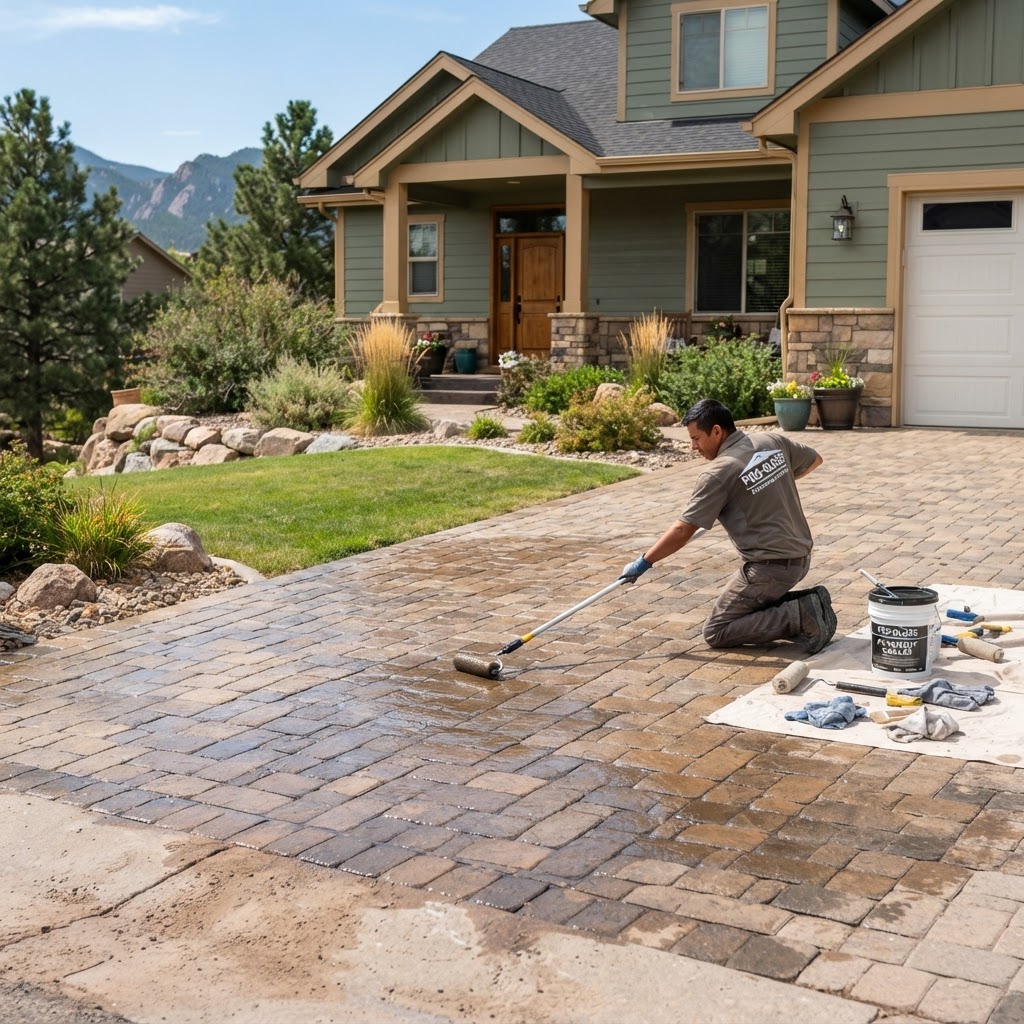
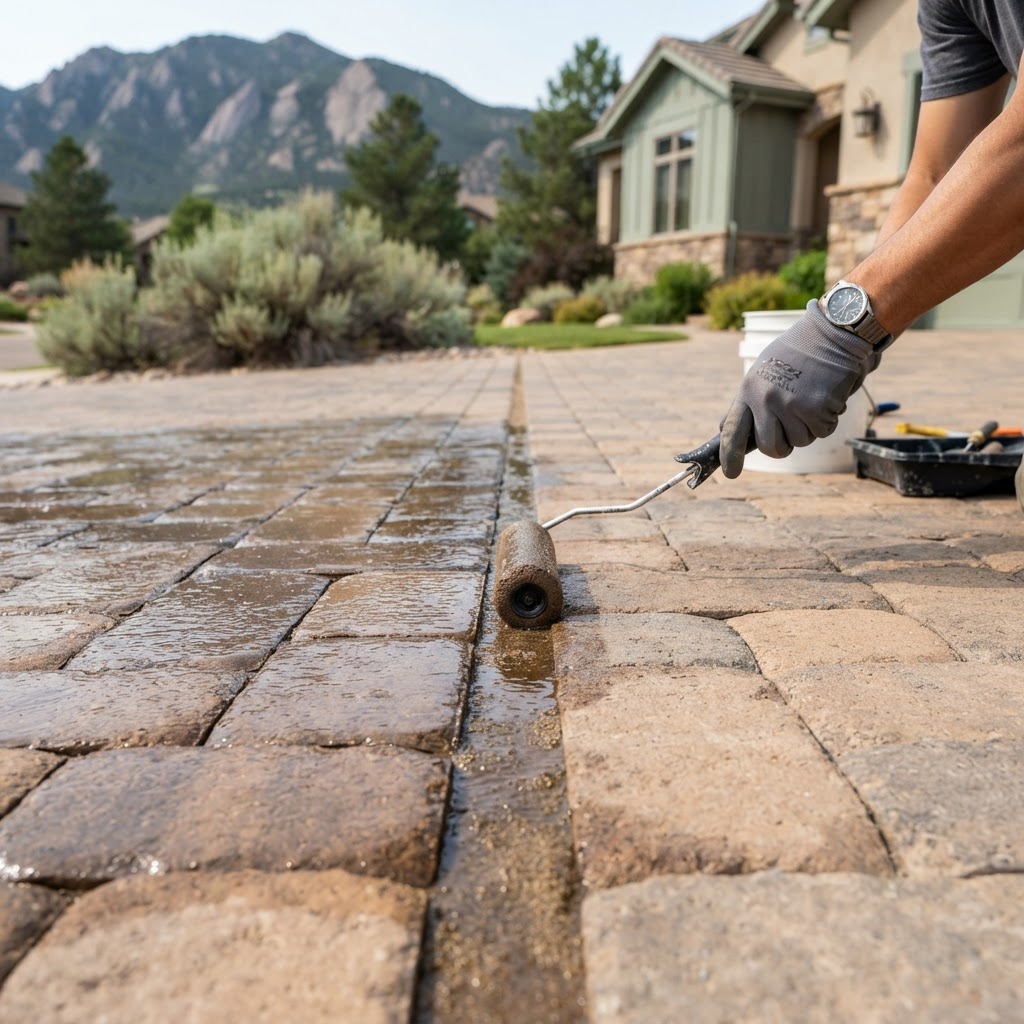
Sealing protects pavers from stains, moisture, UV exposure, fading, and weed growth while enhancing appearance and stabilizing joint sand.

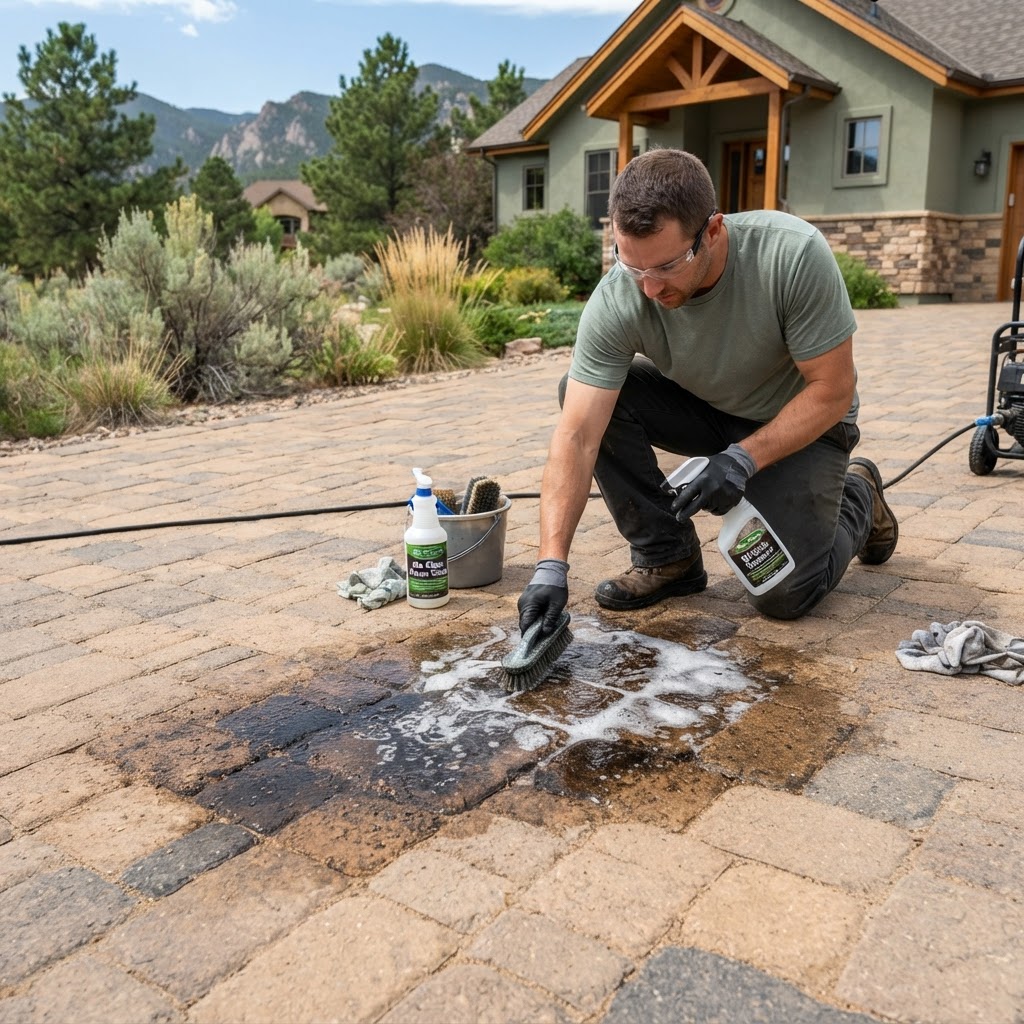
Paver restoration cleans, re-sands joints, and applies a protective sealer to restore the appearance and durability of paver surfaces.

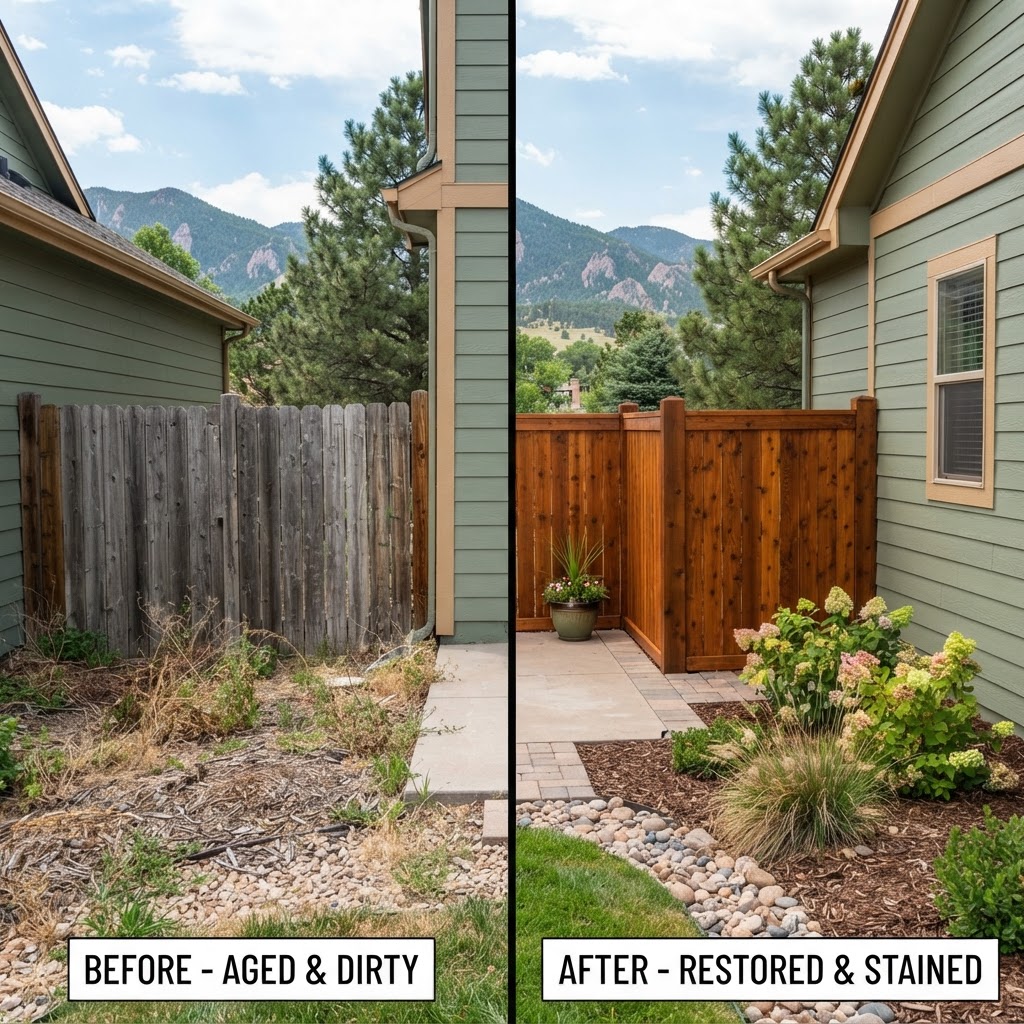
For many homeowners, absolutely. Restoration improves curb appeal, extends fence life, and delays the cost of replacement.

Yes. Professional restoration removes algae, mildew, dirt, and organic buildup, restoring the fence's appearance and preparing it for staining.

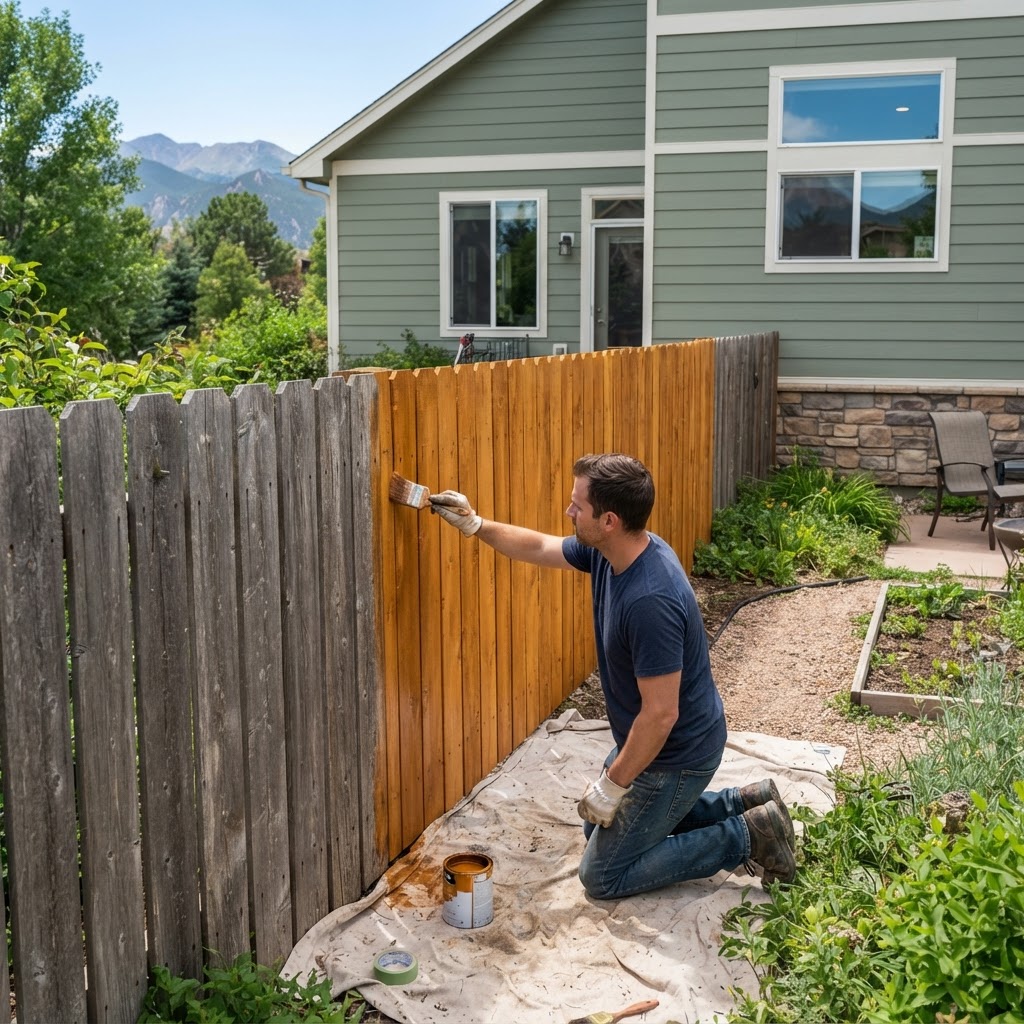
Spring through early fall provides the best conditions. Wood should be clean and completely dry before stain is applied.

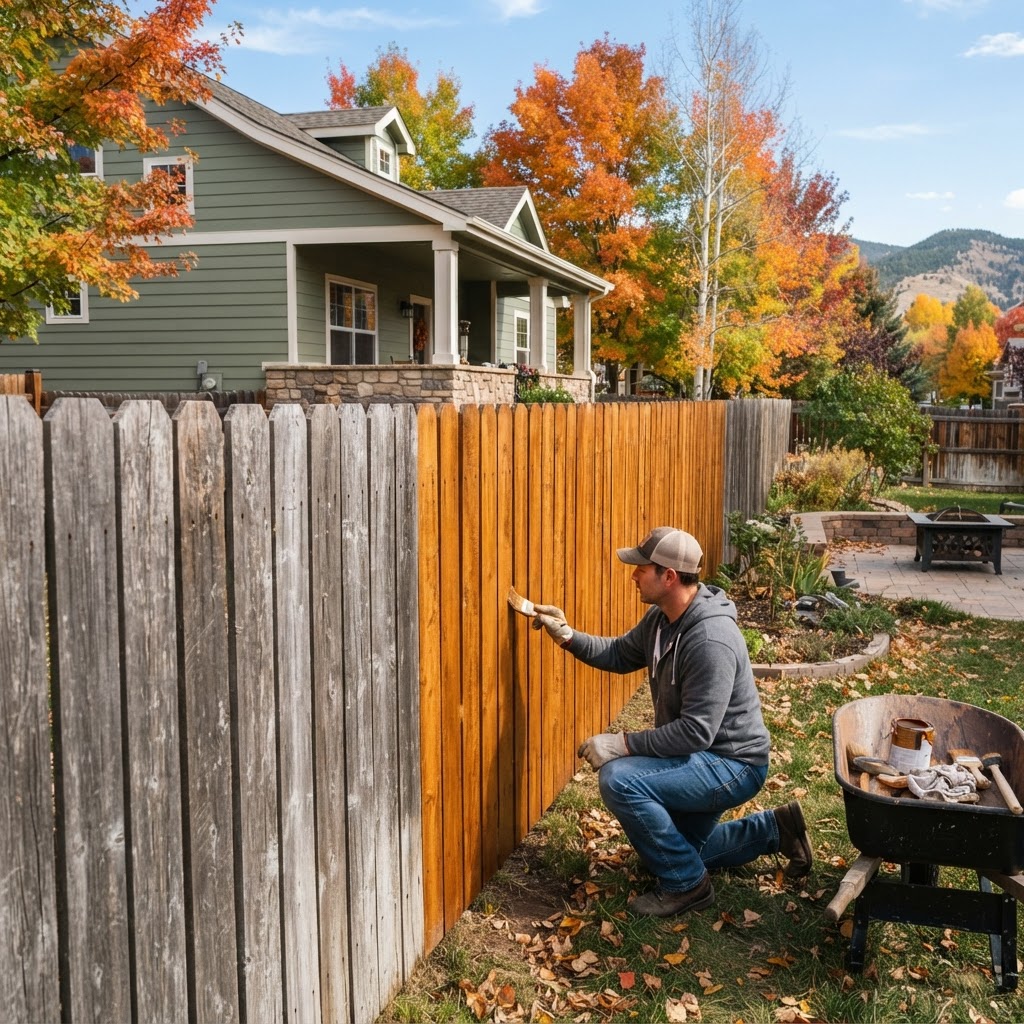
Most fence stains last between two and five years, depending on product, sun exposure, moisture, and weather conditions.

Yes, in most cases. Cleaning prepares the wood to absorb stain, and a protective finish defends against moisture and UV rays.

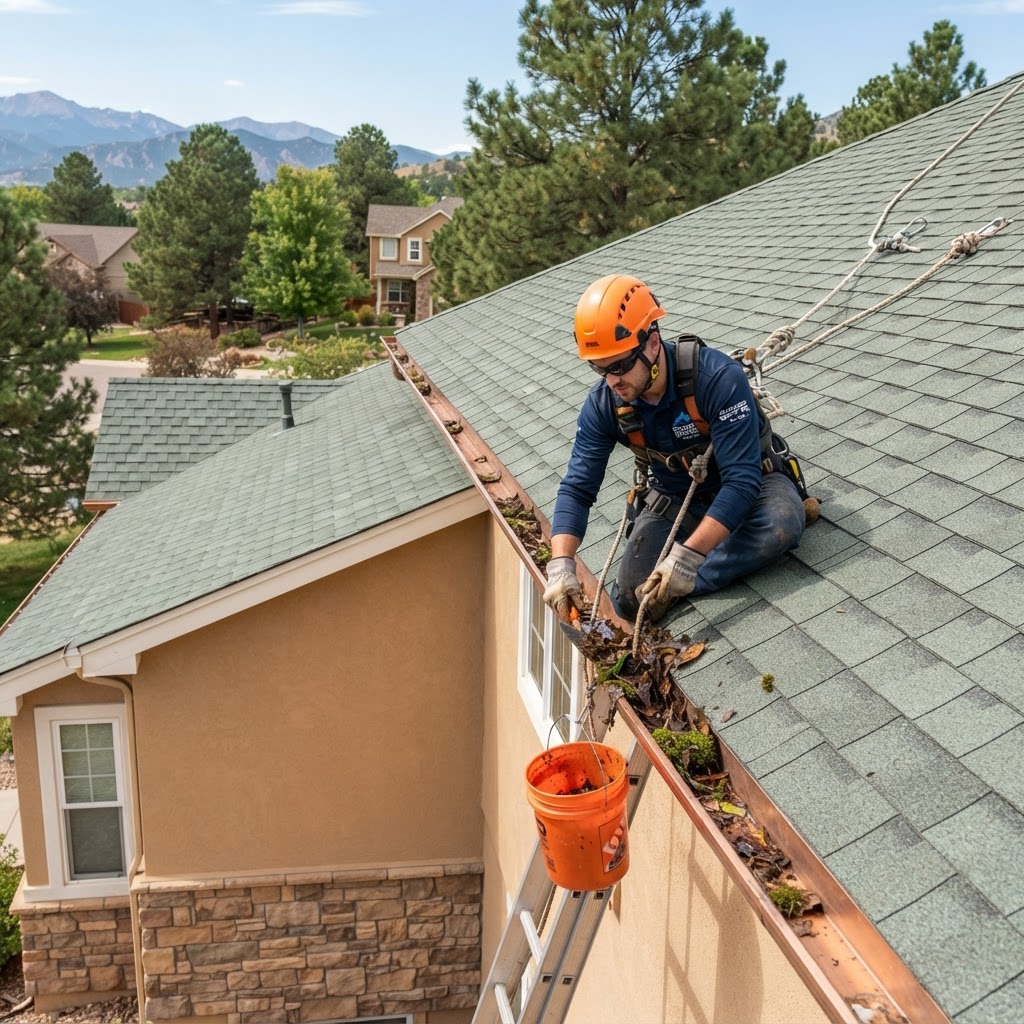
Most Colorado homes should have gutters cleaned twice a year—spring and fall. Homes with heavy tree coverage may need more.

In many cases, yes. If the fence is structurally sound, restoration can dramatically improve its appearance and extend its life.

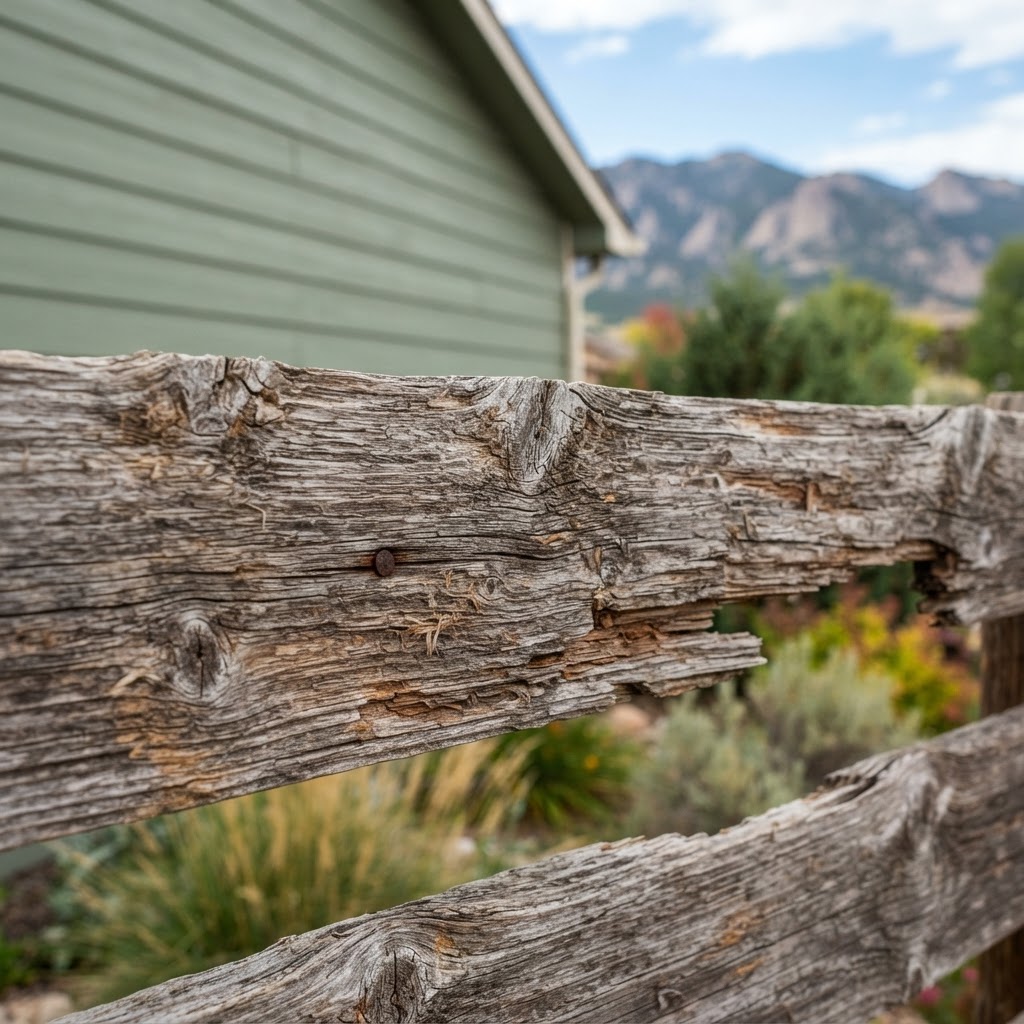
Gray wood is a natural result of prolonged UV exposure and weathering that breaks down surface fibers and fades the natural color.

Fence restoration cleans, brightens, and prepares wood fences to restore their natural appearance and extend their lifespan.

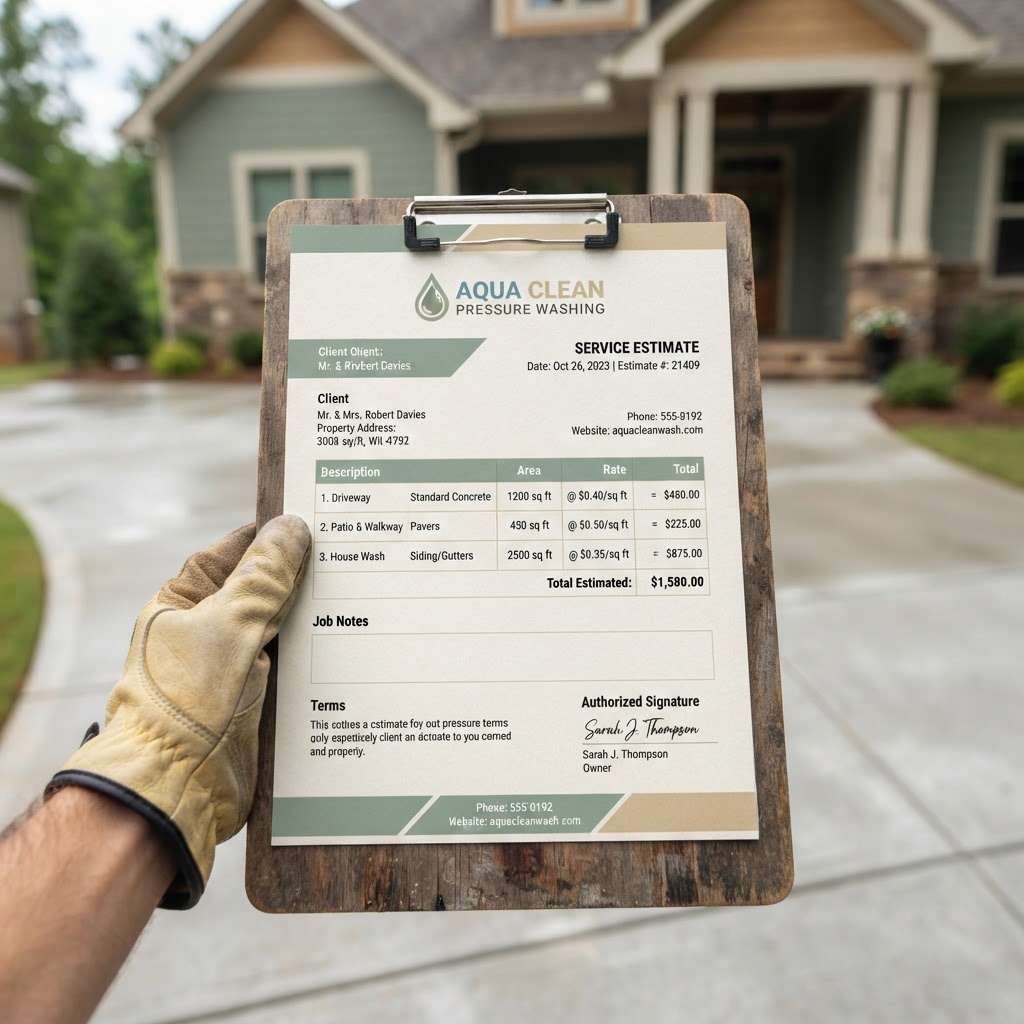
Most professional pressure washing services in Colorado range from $250–$800+. Learn what factors influence the cost and see real-world pricing examples.

Most professional house washing services in Colorado range from $300–$900+. Learn what factors influence the cost and see real-world pricing examples.

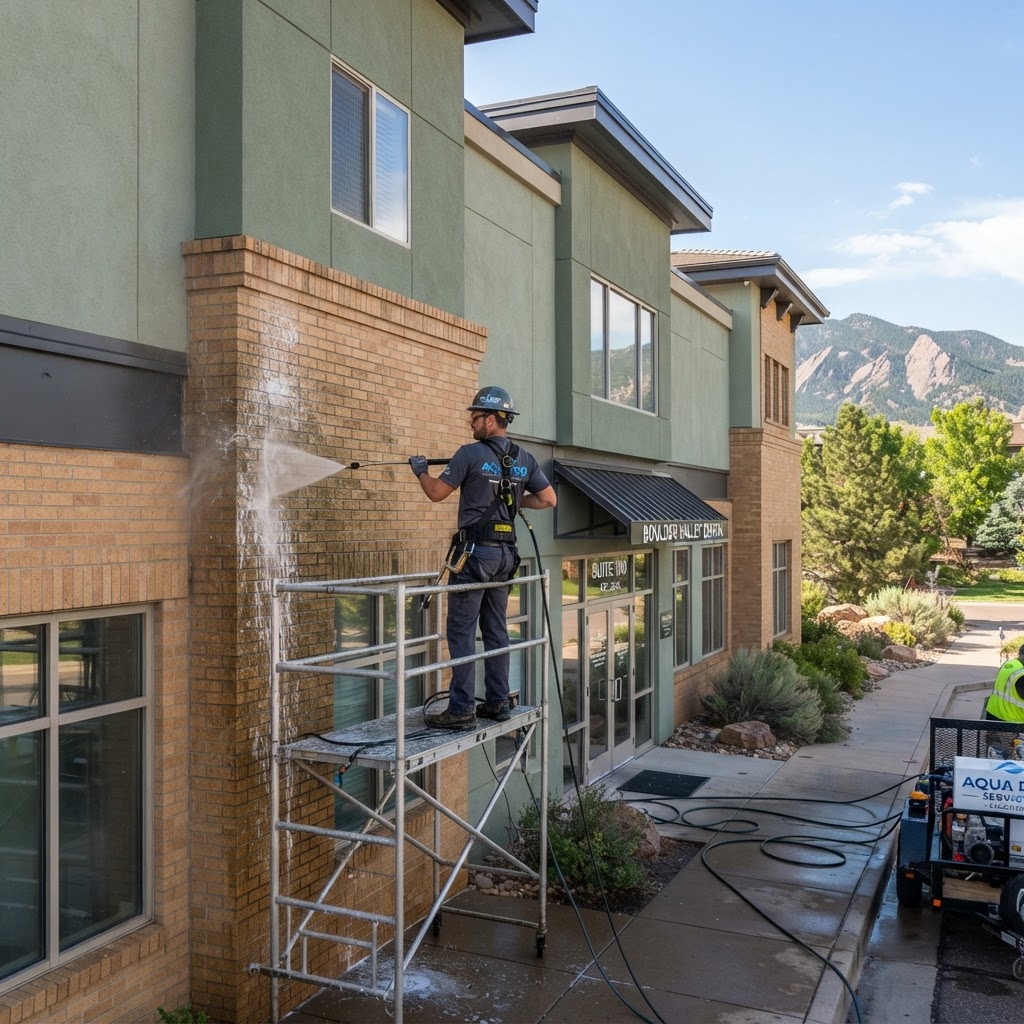
Commercial exterior cleaning in Colorado typically ranges from $500–$3,000+. Learn what factors influence the cost and see real-world pricing examples.

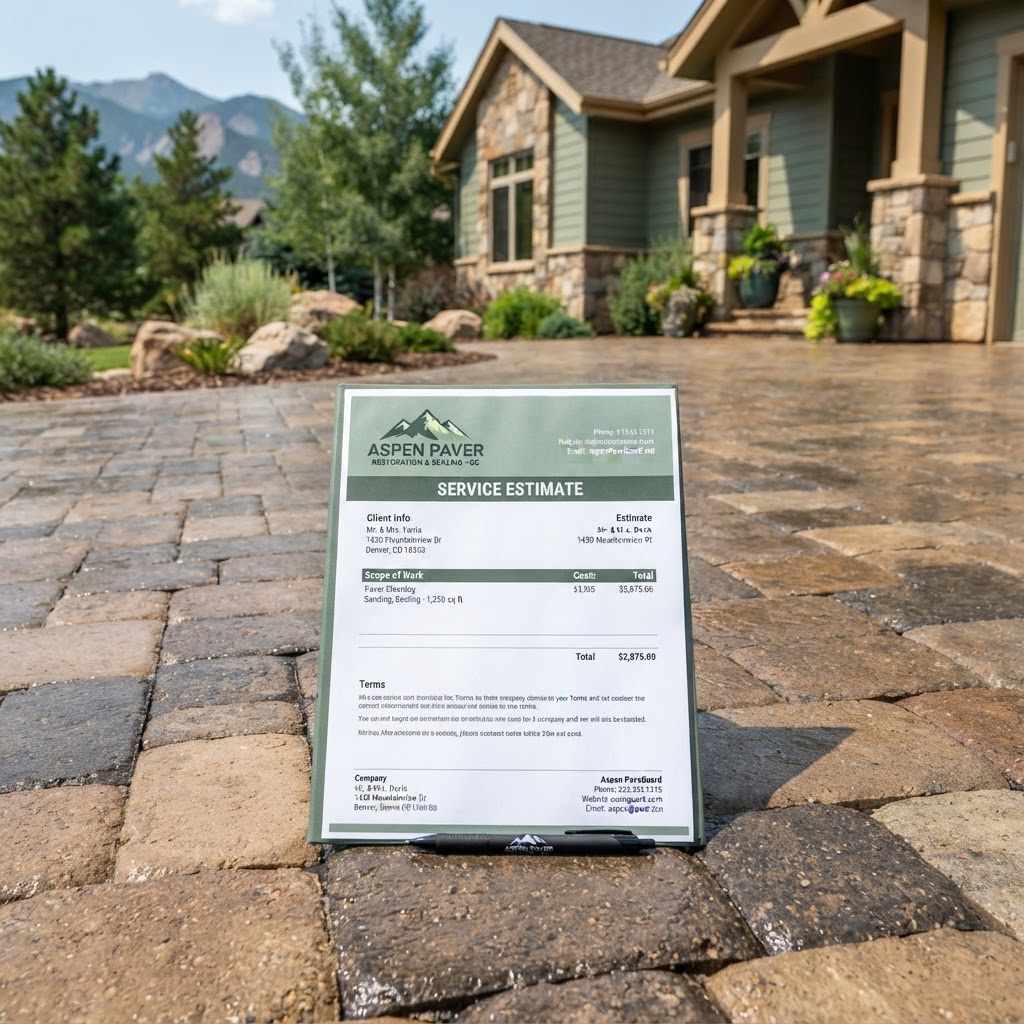
Most professional paver restoration and sealing services in Colorado range from $400–$1,200+. Learn what factors influence the cost and see real-world pricing examples.

Most professional fence restoration services in Colorado range from $300–$1,000+. Learn what factors influence the cost and see real-world pricing examples.

Most professional solar panel cleaning services in Colorado range from $150–$450+. Learn what factors influence the cost and see real-world pricing examples.

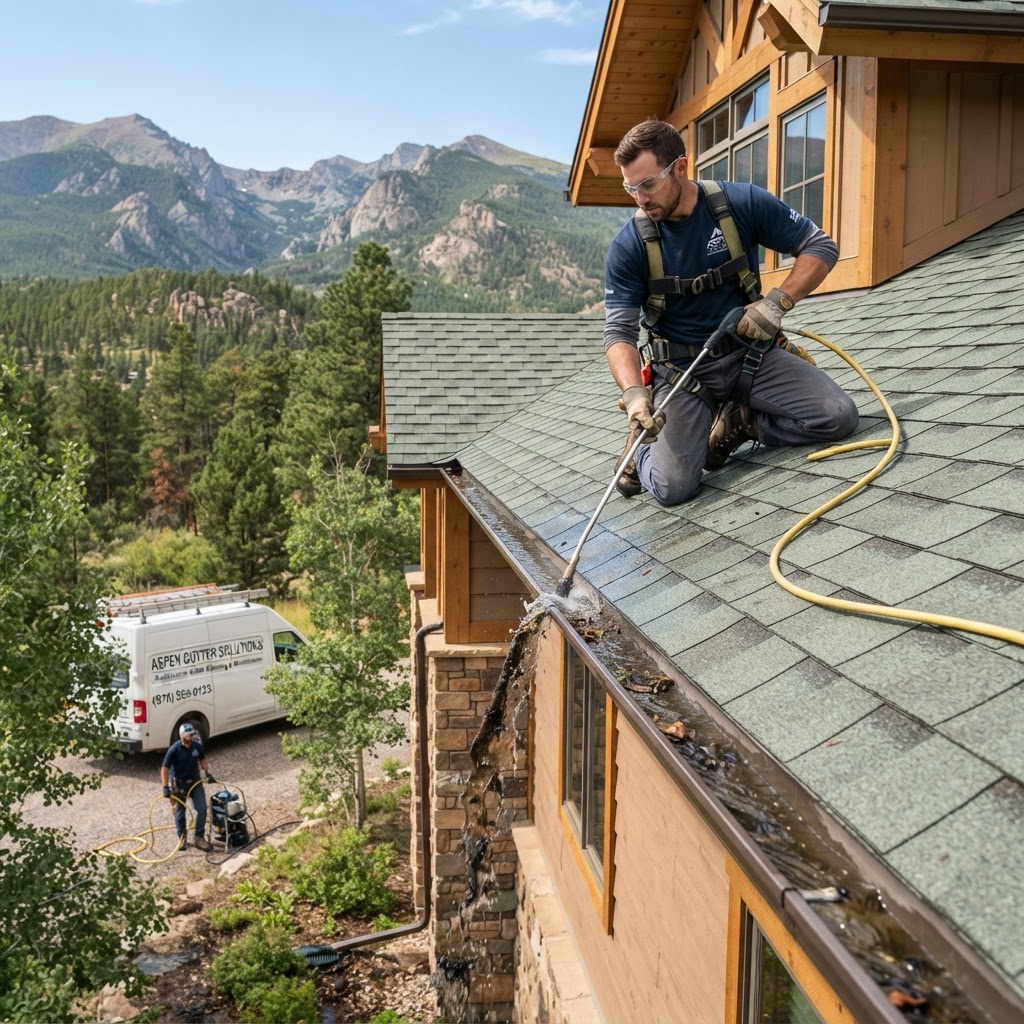
Most professional gutter cleaning services in Colorado range from $150–$450+. Learn what factors influence the cost and see real-world pricing examples.

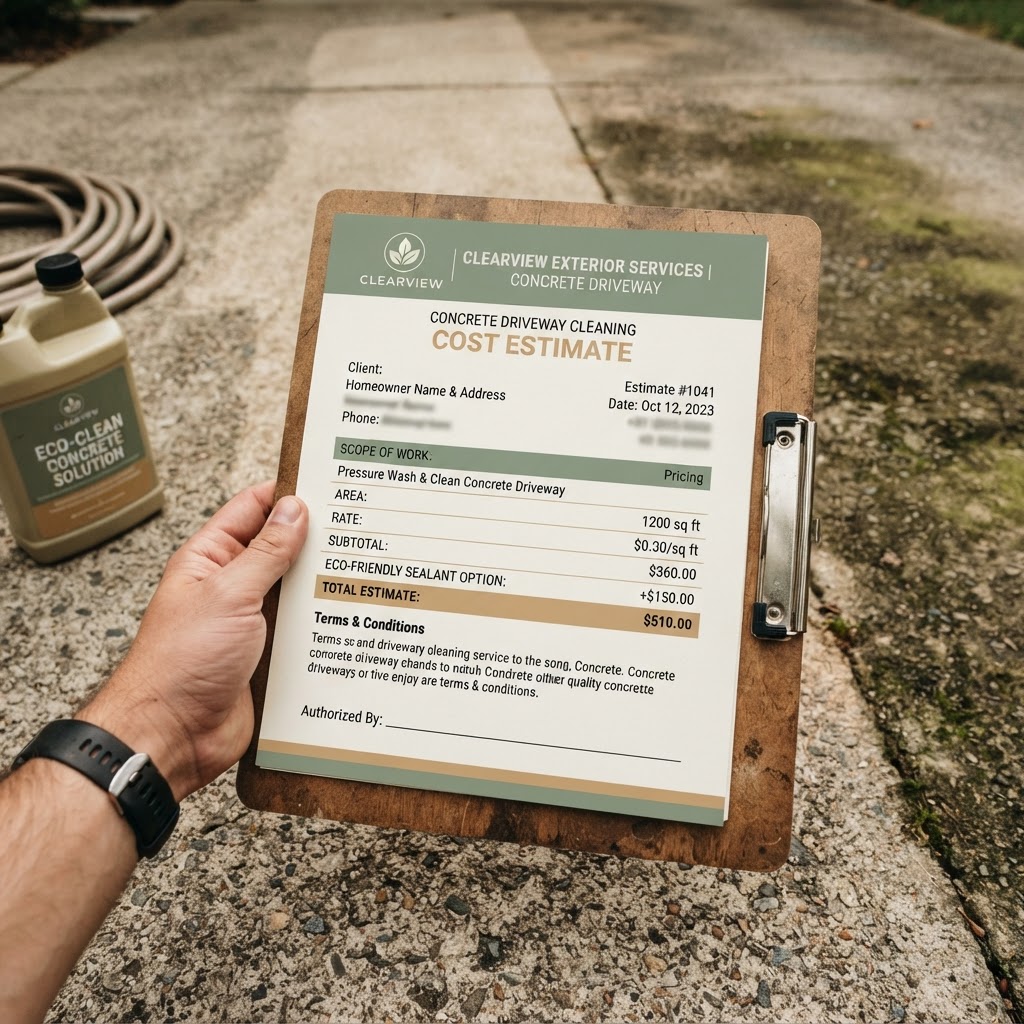
Most professional concrete cleaning services in Colorado range from $150–$600+. Learn what factors influence the cost and see real-world pricing examples.

Spring through fall offers the best conditions. Pavers must be clean and completely dry before sand and sealer are applied.

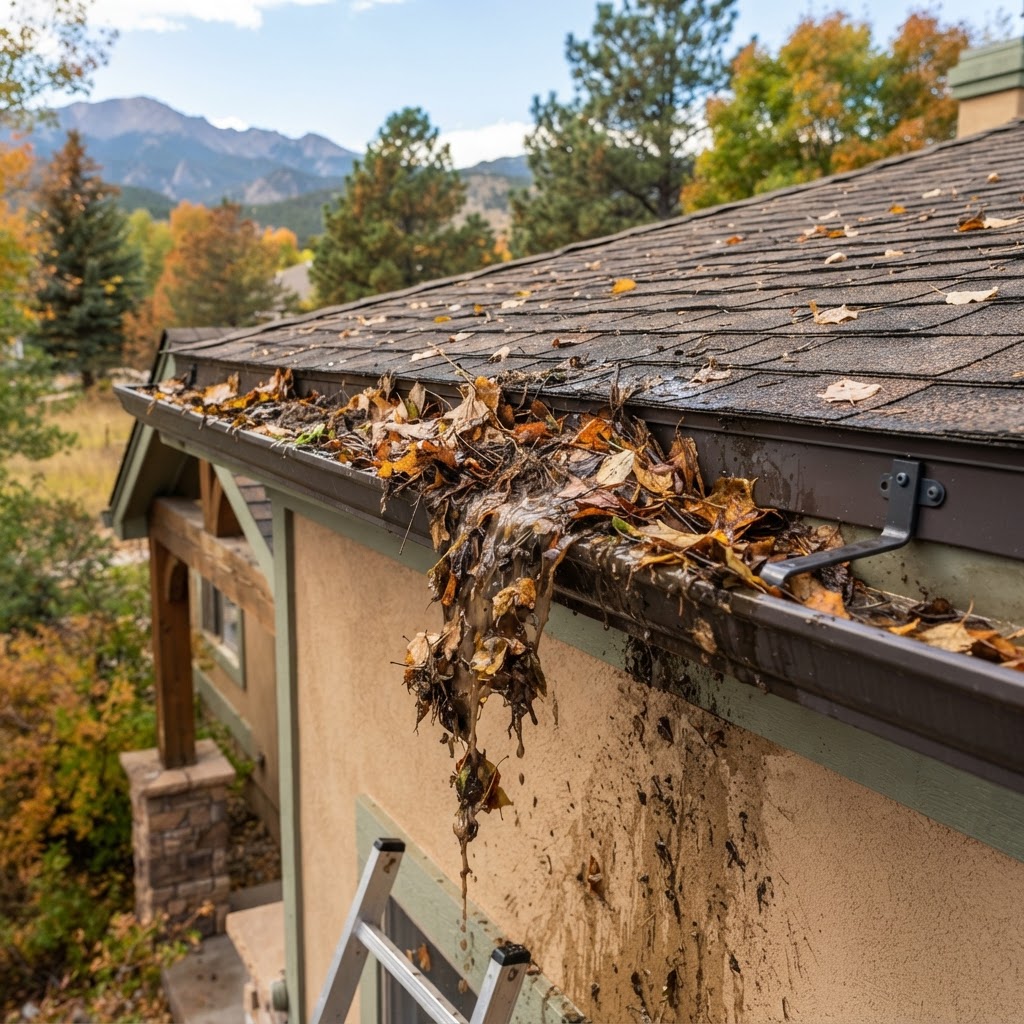
Clogged gutters cause overflowing water that can damage fascia boards, siding, landscaping, foundations, and contribute to ice dams.

Gutters direct rainwater away from your roof, siding, foundation, and landscaping. Clogged gutters can cause costly water damage.

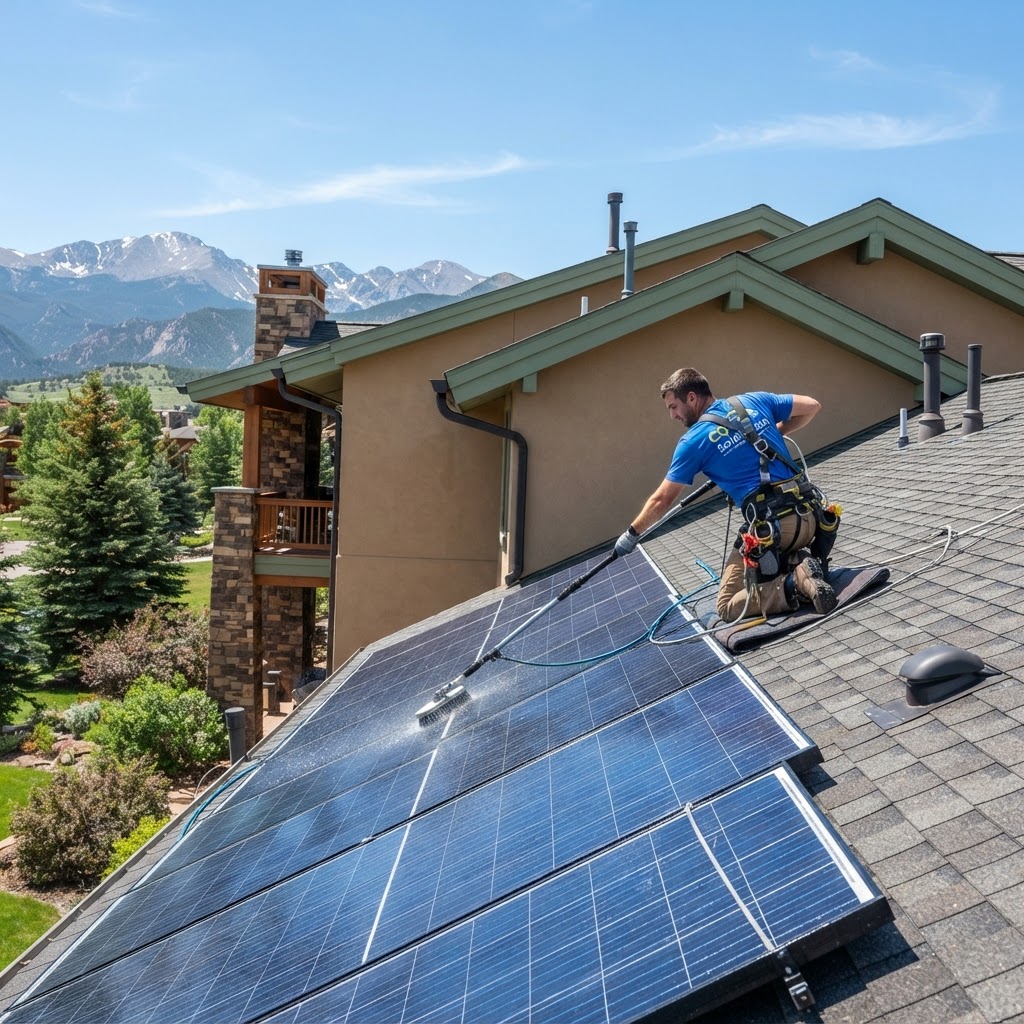
For many homeowners, yes. Professional cleaning improves safety, protects equipment, and ensures panels produce efficiently.

Usually not. Most professional cleanings use purified water and specialized equipment rather than soaps or harsh chemicals.

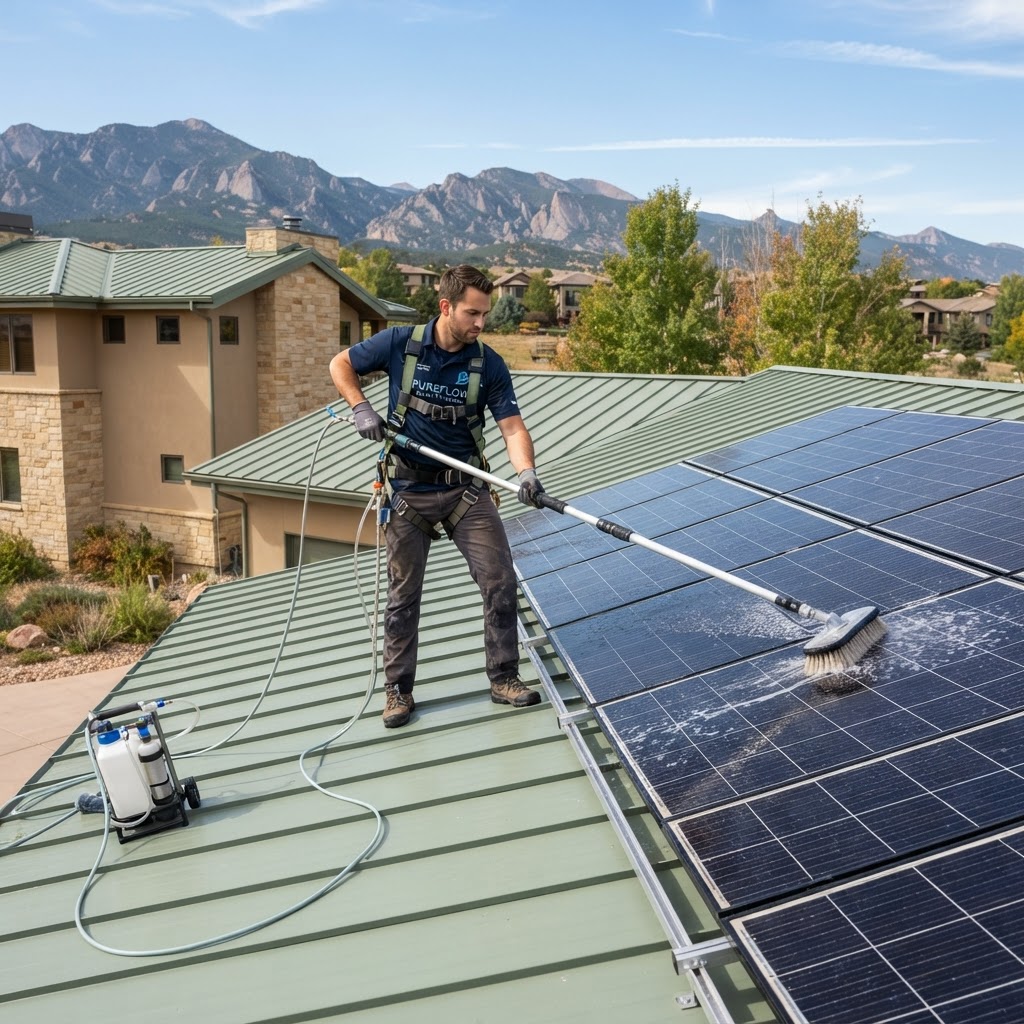
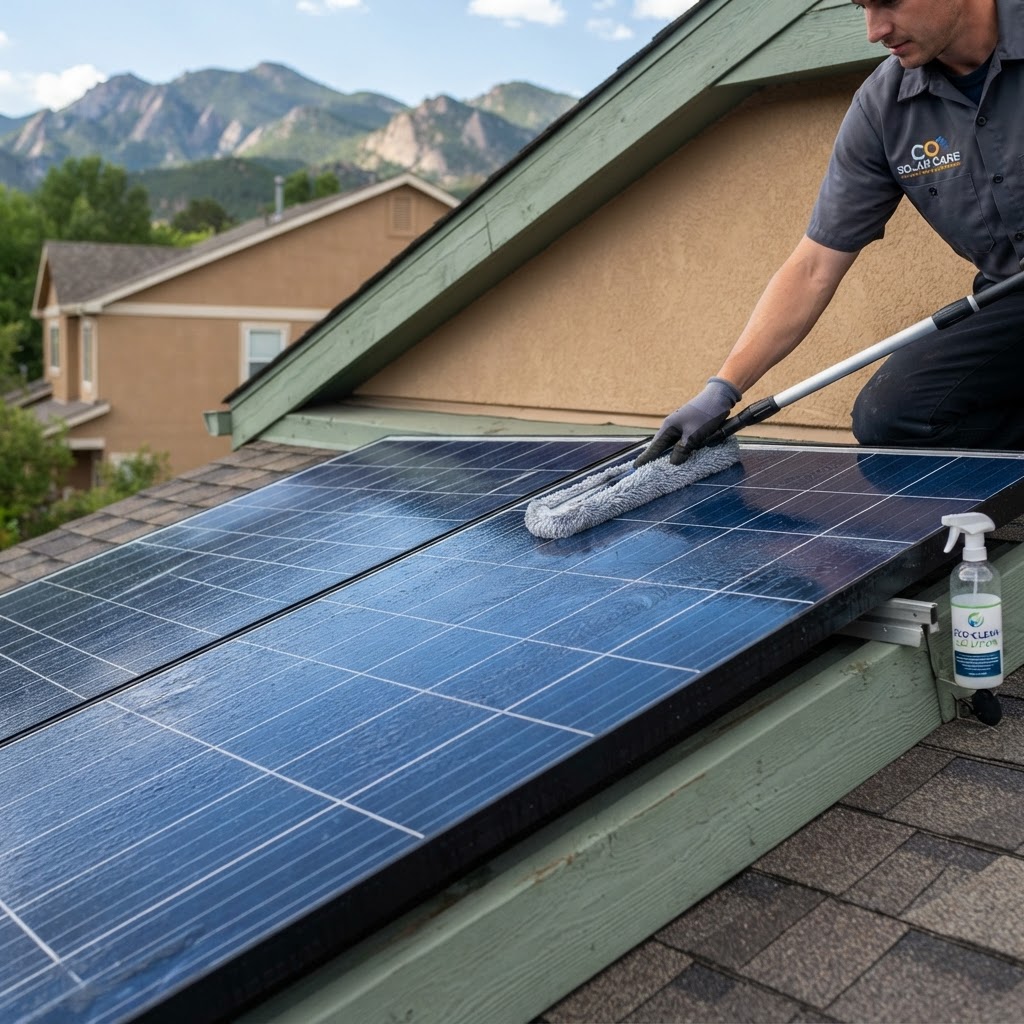
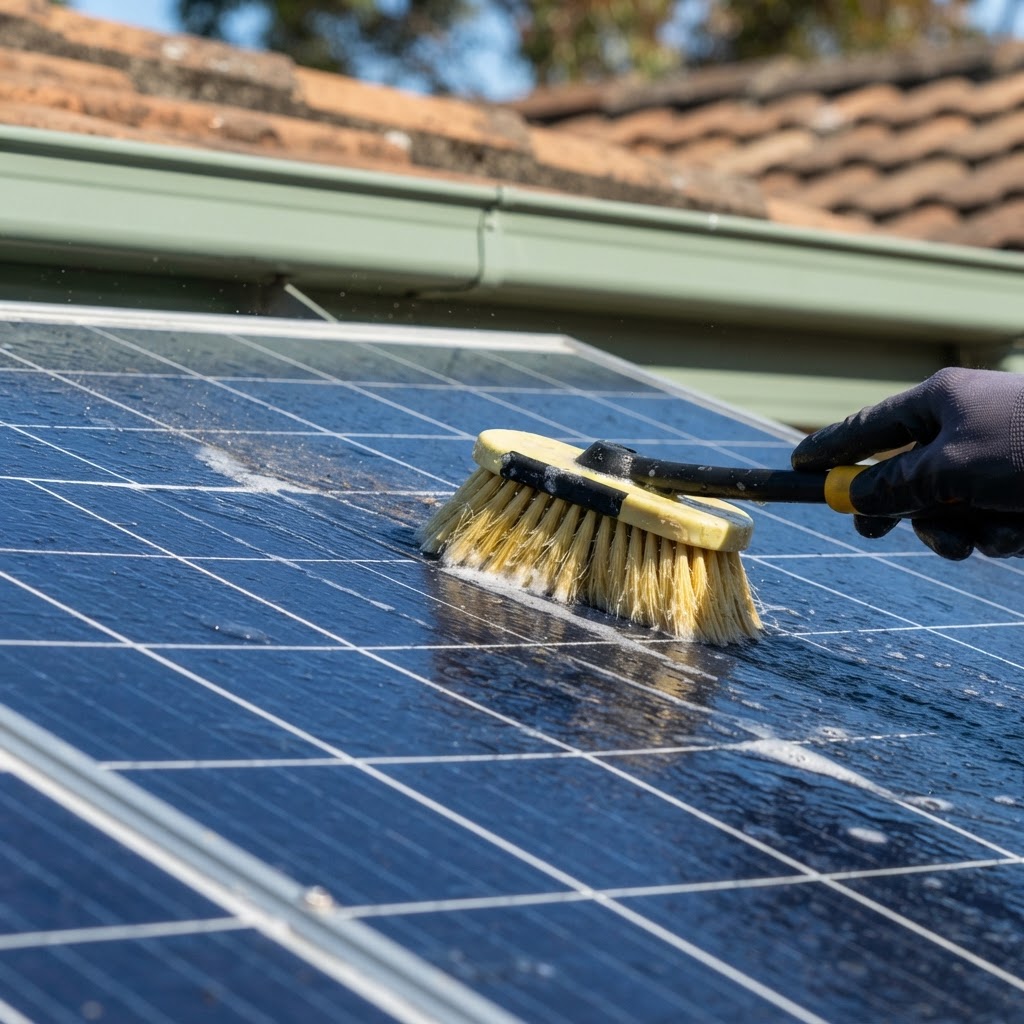
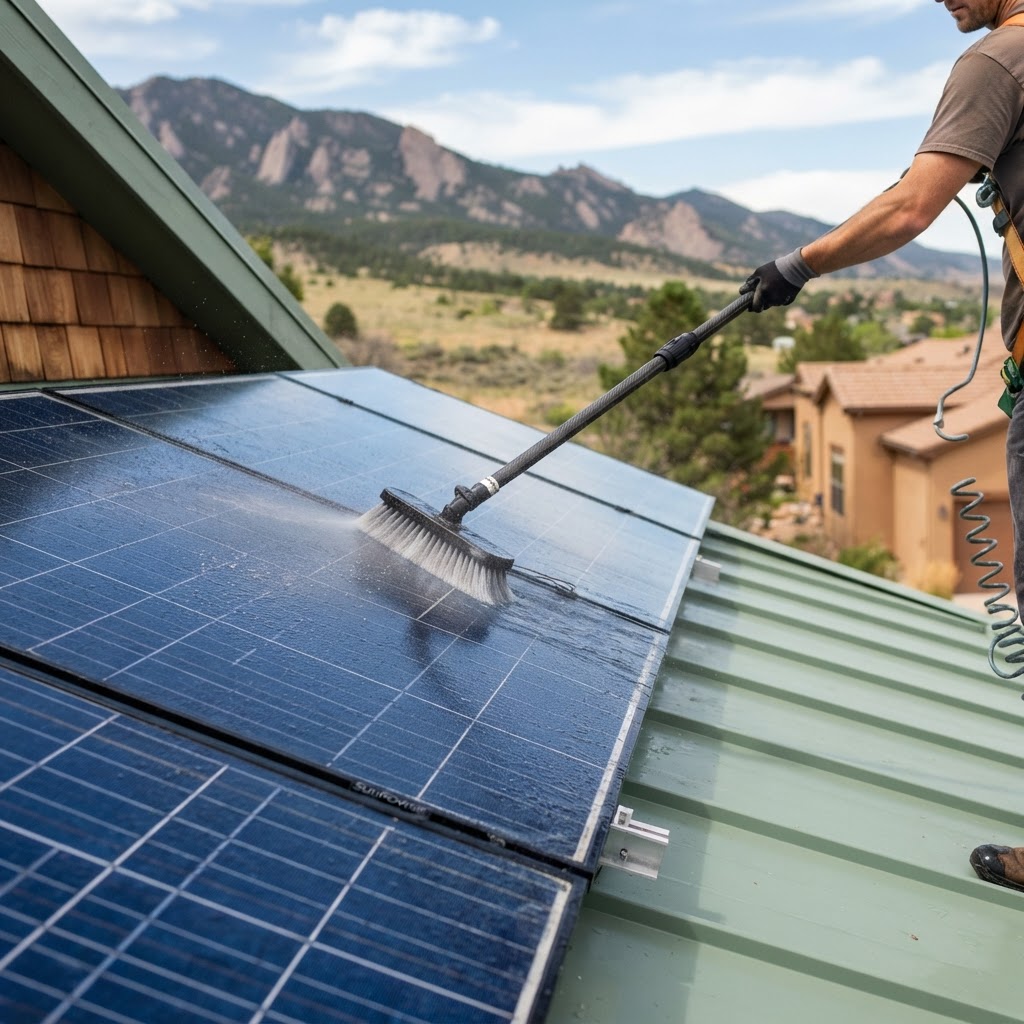
Professional cleaning uses soft brushes, purified water, and specialized equipment to remove dirt without scratching the glass.

Spring and fall are the most common times to clean solar panels. Spring removes winter dust before peak production months.

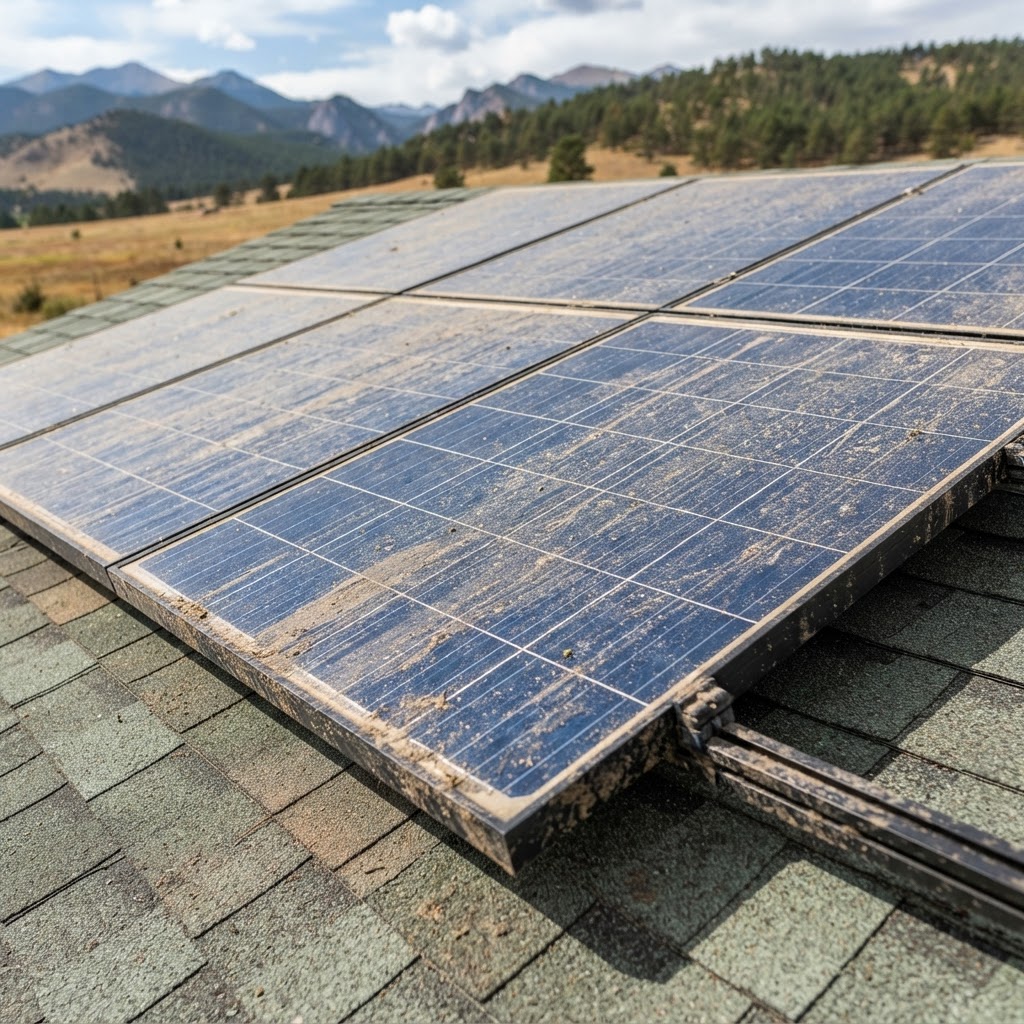
Dirt usually won't damage panels, but heavy buildup reduces energy production and creates uneven shading across the surface.

Not always. Rain rinses loose dust but leaves pollen, bird droppings, and hard water minerals behind.

No. Solar panels should never be cleaned with high-pressure water. Professional cleaning uses purified water and low-pressure methods.

In many cases, yes. Removing dirt and debris allows more sunlight to reach the solar cells, improving energy production.

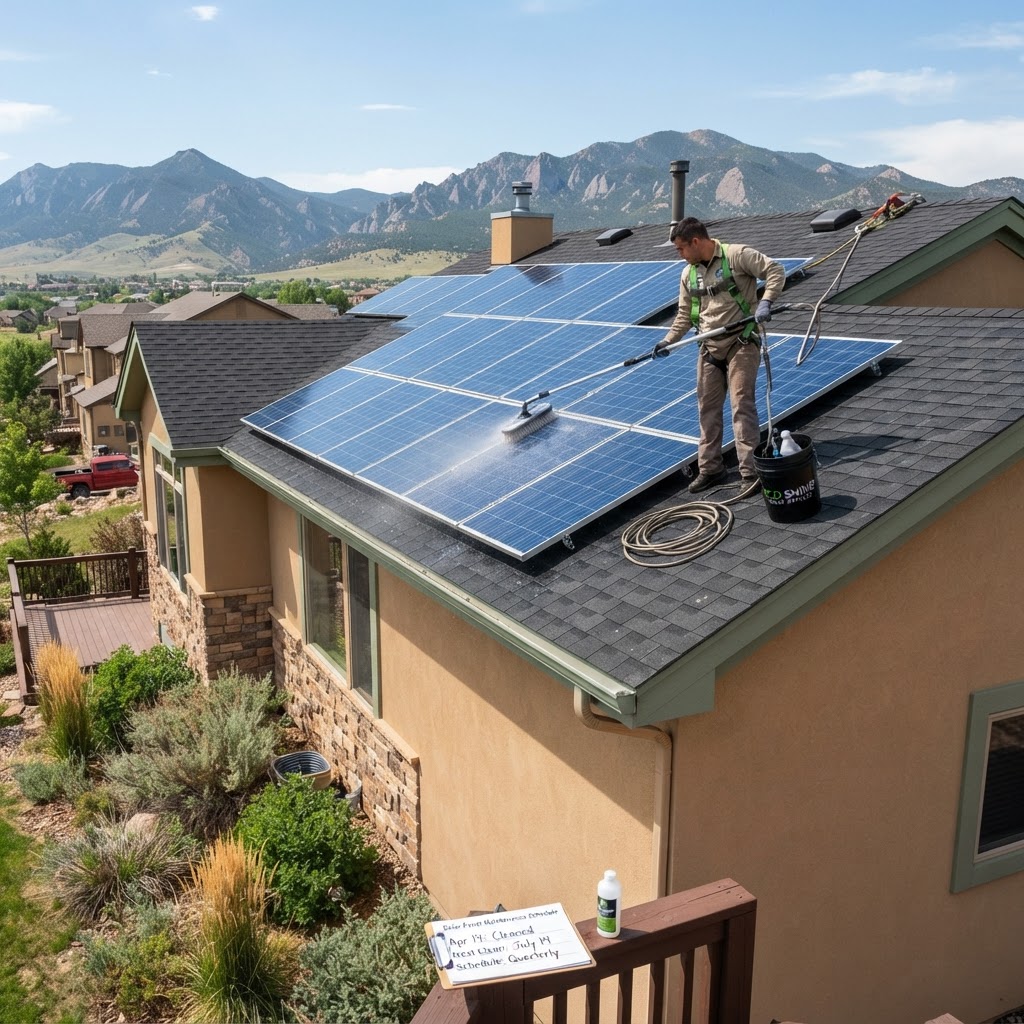
Most Colorado homeowners benefit from cleaning solar panels once or twice a year. Homes near construction or heavy pollen may need more frequent cleaning.

Solar panels should be cleaned because dirt, pollen, dust, and bird droppings reduce sunlight reaching the cells, lowering energy production.

Routine cleaning removes contaminants that cause premature deterioration, preserving finishes and reducing long-term maintenance costs.

Yes, when appropriate cleaning methods are used. Different materials require different techniques for safe, effective results.

Yes. A clean building communicates professionalism and attention to detail, making customers more comfortable visiting.

The ideal schedule depends on the property. Some businesses need monthly or quarterly maintenance; others only require annual cleaning.

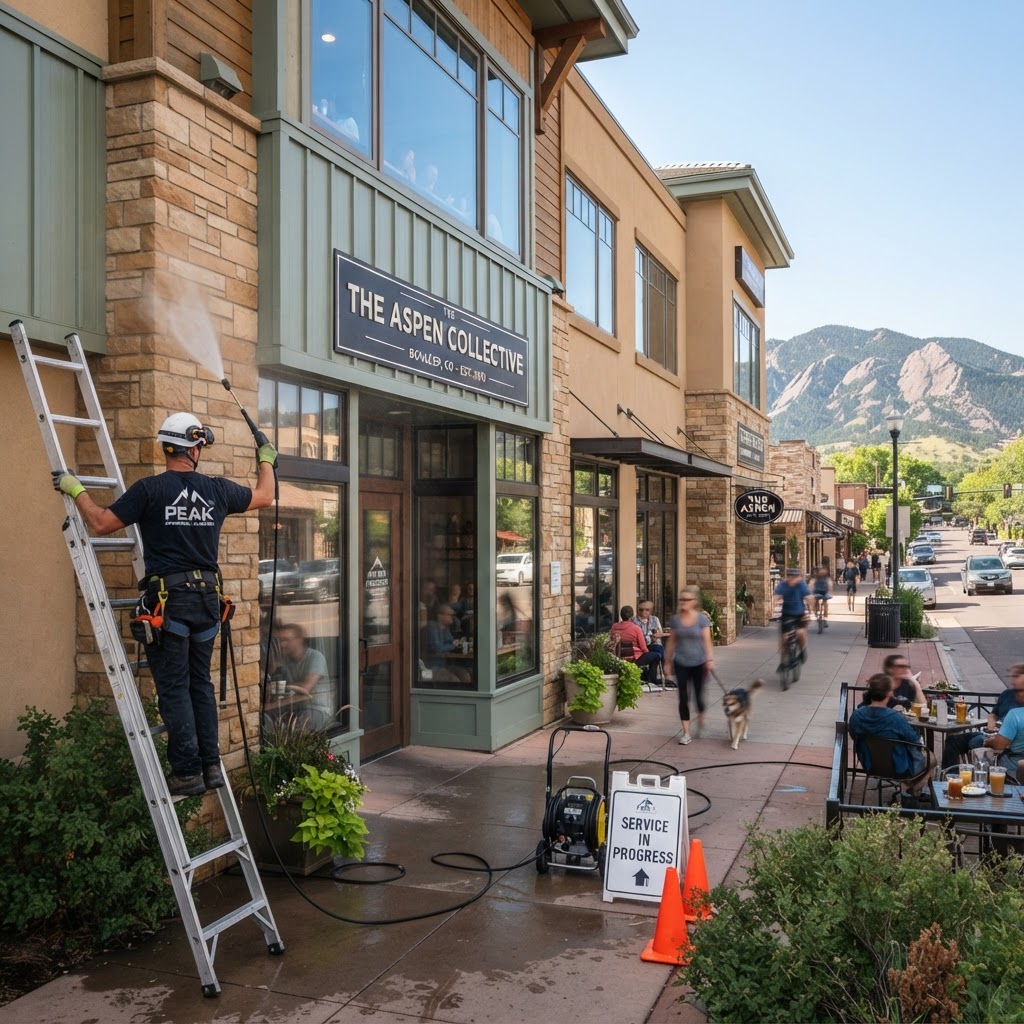
Services include building washing, concrete cleaning, sidewalks, dumpster pads, storefronts, windows, awnings, gutters, and more.

In most cases, no. Commercial cleaning can be scheduled before hours, after closing, or during low-traffic periods.

Commercial cleaning is suitable for office buildings, retail centers, restaurants, medical facilities, apartments, schools, churches, and more.

A clean exterior creates a positive first impression for customers and visitors while protecting the building from dirt, algae, and buildup.

For many homeowners, yes. Restoration improves curb appeal and preserves the beauty and lifespan of paver surfaces.

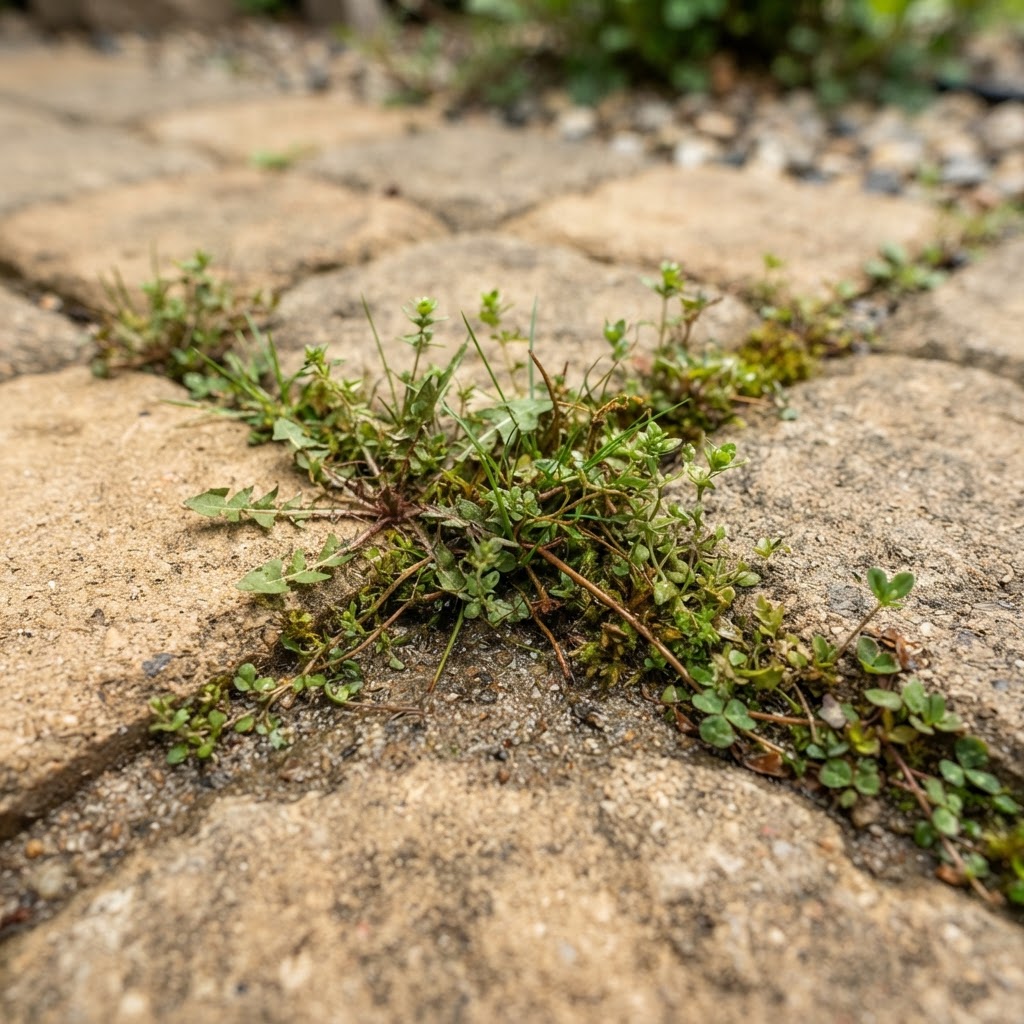
Weeds grow when joint sand deteriorates and organic material collects between pavers. Restoration replaces sand and seals the surface.

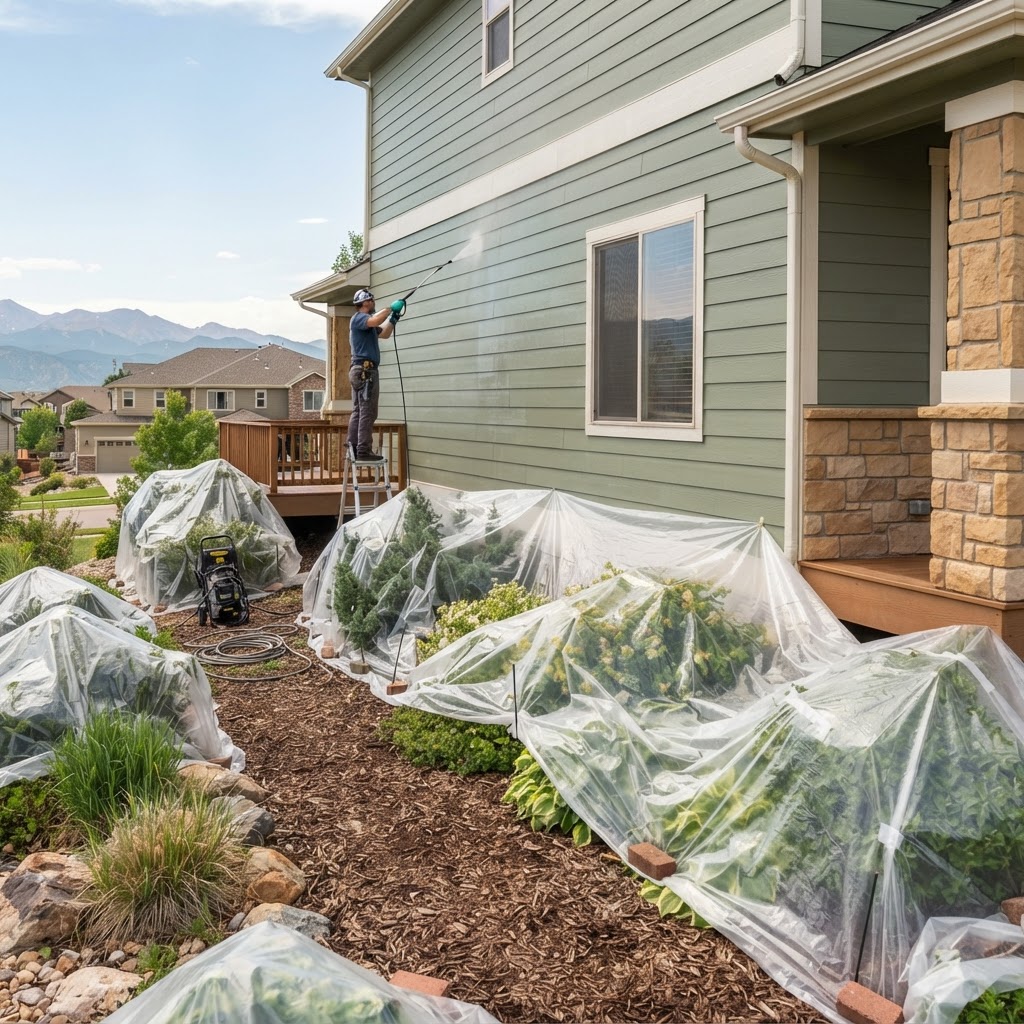
Professional cleaning doesn't have to harm your plants. Here's how we protect your landscaping, gardens, and lawn during every job.

How often each exterior surface should be cleaned in Colorado's climate — a complete maintenance schedule.

Transparent pricing ranges for every service we offer, with factors that affect cost.

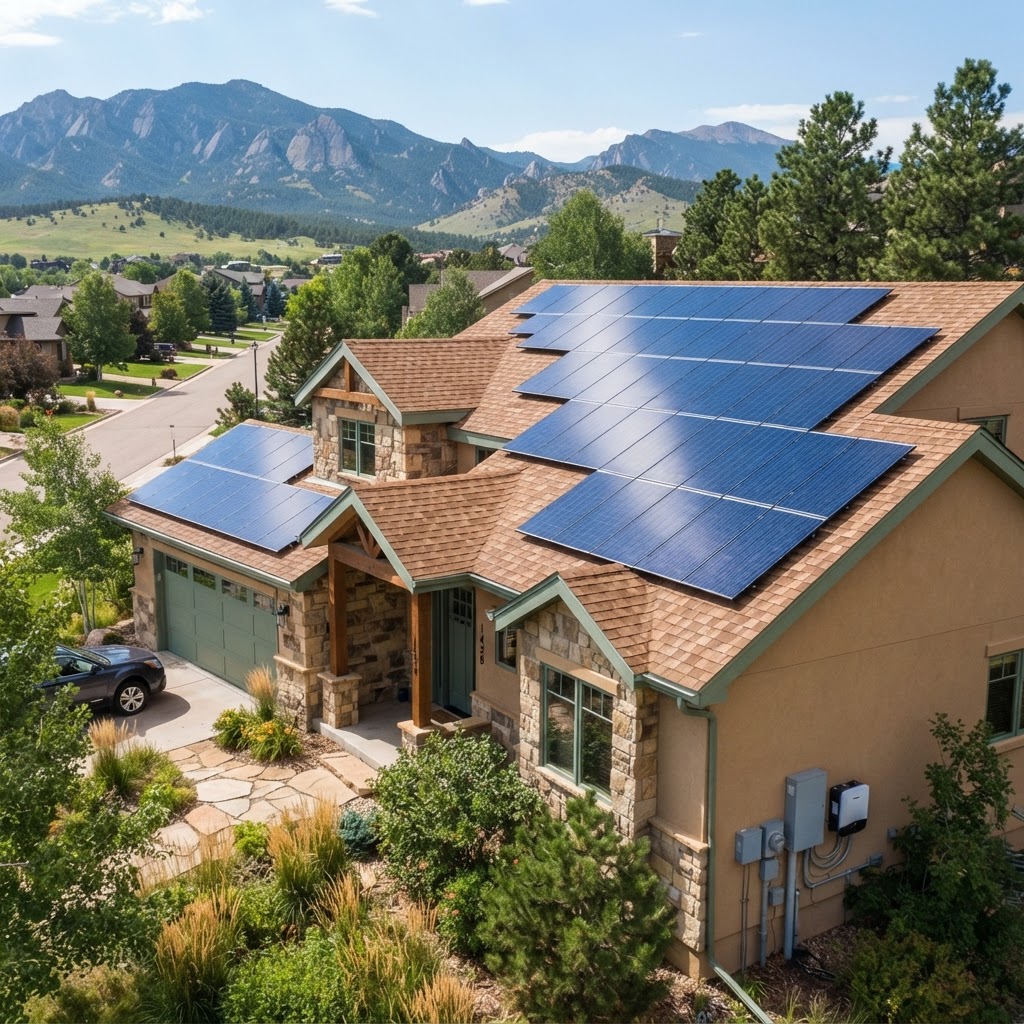
Dirty panels can reduce energy output by up to 25%. Here's the data on how regular cleaning affects your solar investment.
Browse our searchable knowledge base for quick answers to the most common exterior maintenance questions.
Our team is always happy to help you determine the best solution for your property.